From Newsweek · · 5m
Fed raises rates despite Trump's demands for cuts
New Fed Chair Kevin Warsh defies the president by raising interest rates, citing persistent inflation and a strengthening economy.
In brief
New Fed Chair Kevin Warsh defies the president by raising interest rates, citing persistent inflation and a strengthening economy. The Federal Reserve prioritizes controlling inflation over presidential pressure, with new Chair Warsh signaling the central bank's independence from White House demands. Originally…
Fed raises rates despite Trump
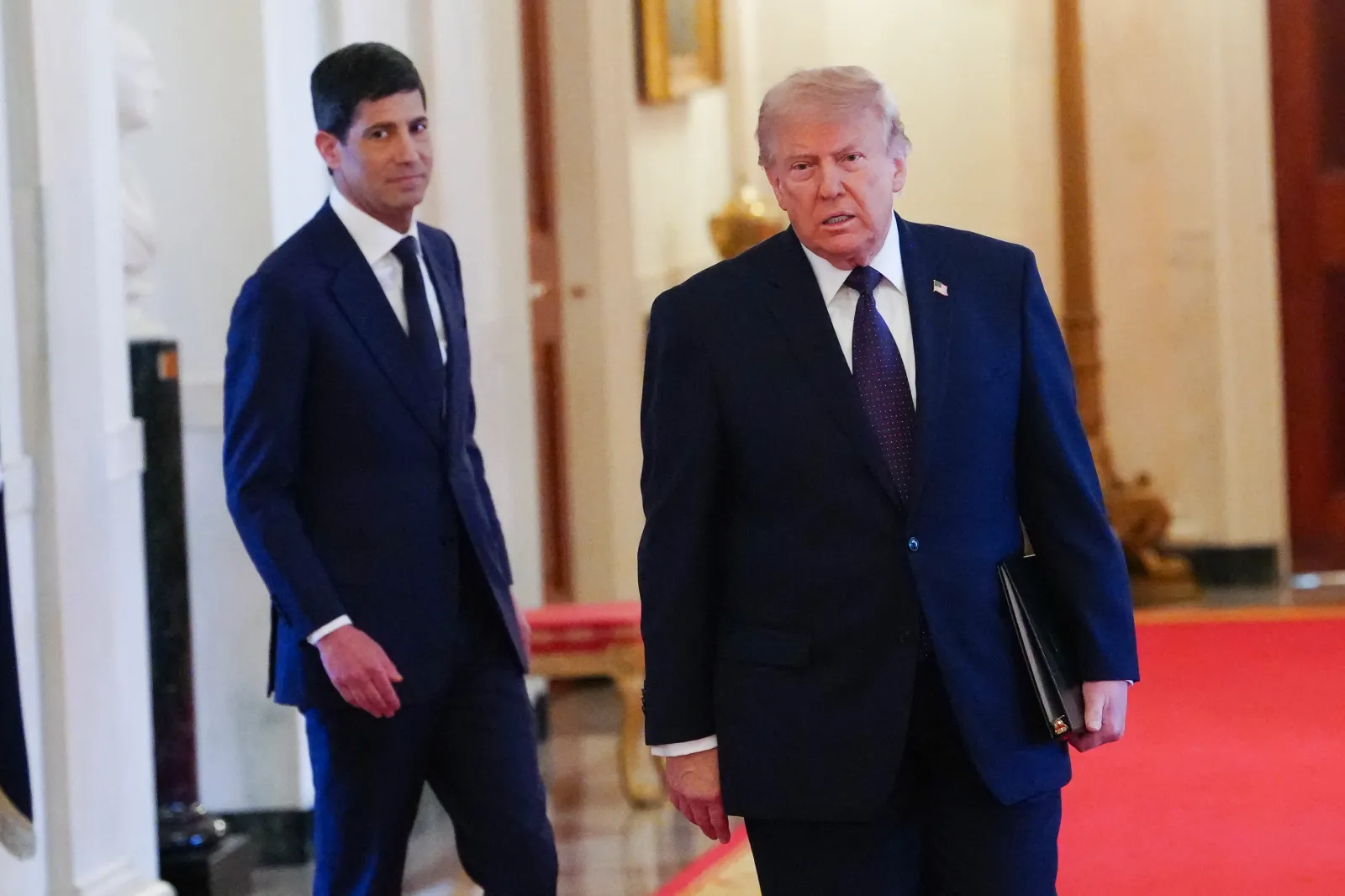
The Federal Reserve raised its benchmark interest rate by a quarter point to 3.75-4.00 percent on Wednesday, the first increase since 2023. New Chair Kevin Warsh led the unanimous decision despite Trump's repeated calls for lower borrowing costs.
“The plain fact is that inflation is too high and has been for too long.”
Warsh: inflation too high
Fed Chair Warsh said at his post-meeting news conference that inflation remains elevated and the Fed's standard for rate cuts has not been met. He cited the need to return to the Fed's 2 percent inflation target.
“The plain fact is that inflation is too high and has been for too long.”
Economy stronger than expected
Warsh said the U.S. economy has strengthened since the Fed's July meeting, with resilient consumer spending, strong productivity growth, and robust business investment. The labor market remains near full employment.
“Our decision comes at a time when the American economy appears to be strengthening.”
Inflation readings remain elevated
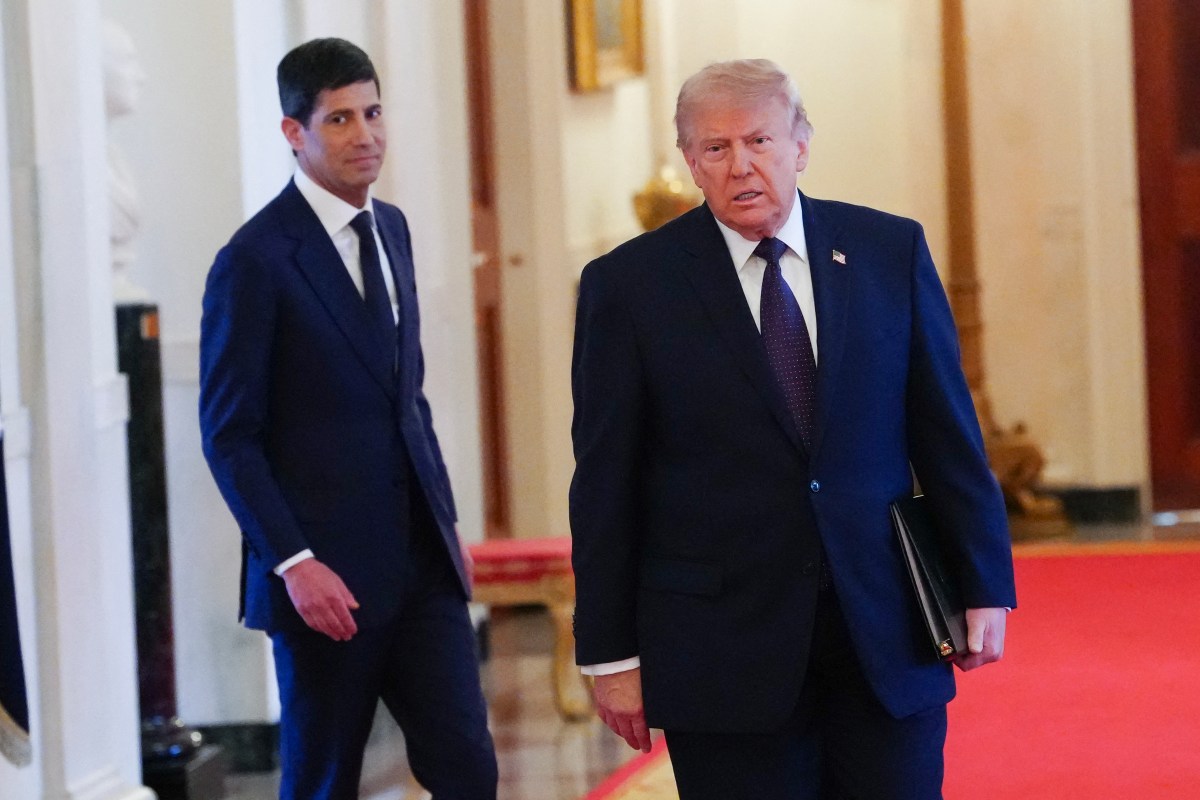
Total PCE inflation was around 3.6 percent in August, with core PCE inflation at 3.2 percent, both above the Fed's 2 percent target. Too many categories are posting increases above 3 percent on both six and twelve month bases.
Trump demands rates of 1%
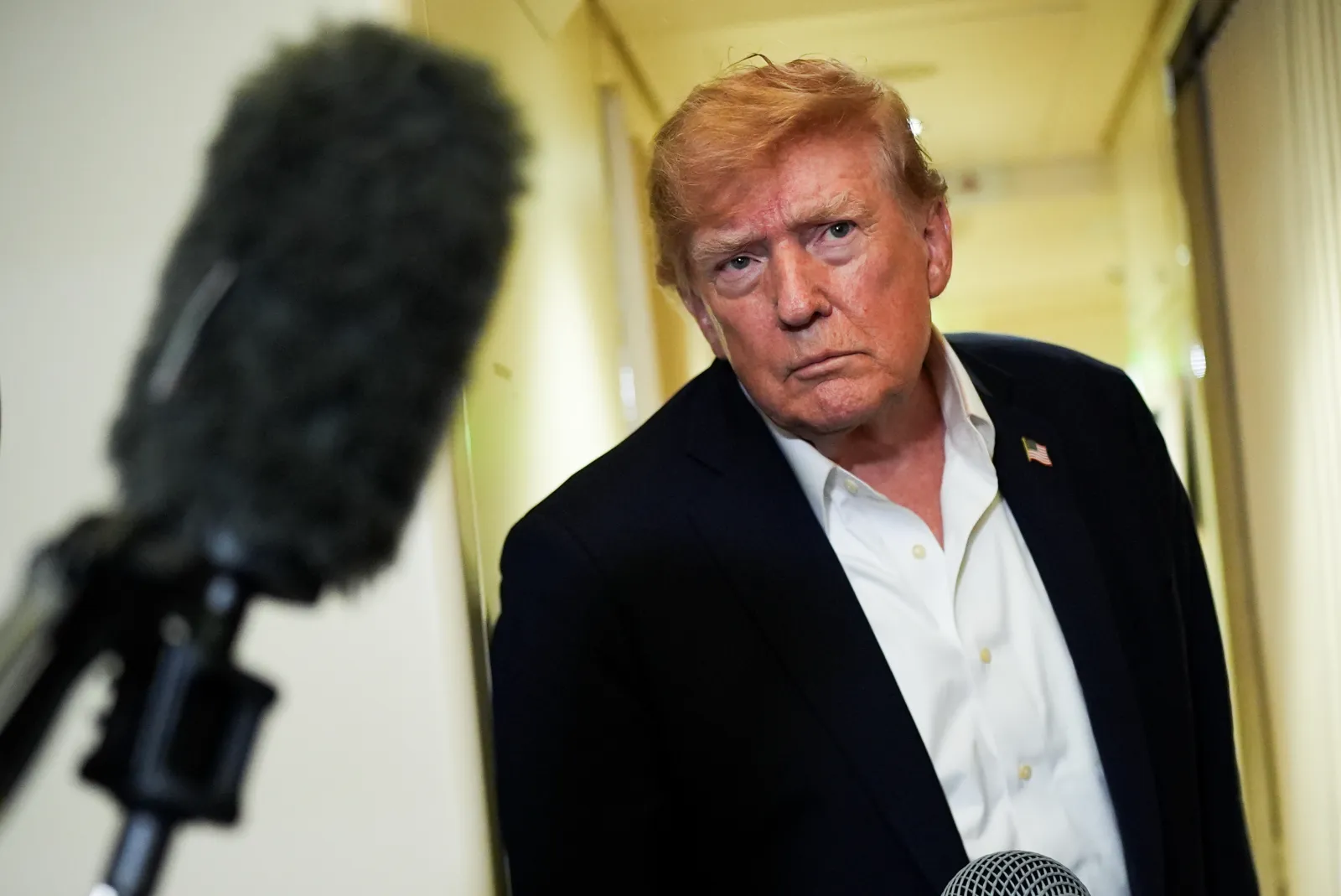
Trump called for interest rates of 1 percent or less, arguing the U.S. has the best credit in the world and should pay the lowest rates globally. He posted on Truth Social that officials should lower rates fast.
“LOWER THE INTEREST RATES ... AND FAST.”
Trump questions Warsh's board
Speaking to reporters before a North Carolina rally, Trump said he told Warsh the board is very hostile and political. He claimed the board is doing the wrong thing but said he wants Warsh to be independent.
“The board is very hostile. They're very political. They're doing the wrong thing.”
Warsh declines to discuss Trump
When asked about his conversation with Trump, Warsh declined to comment, saying he had nothing to discuss about conversations with the president. He emphasized the Fed's independence and staying in its lane.
“I've got nothing for you on a discussion with the president.”
Desai calls hike unfortunate
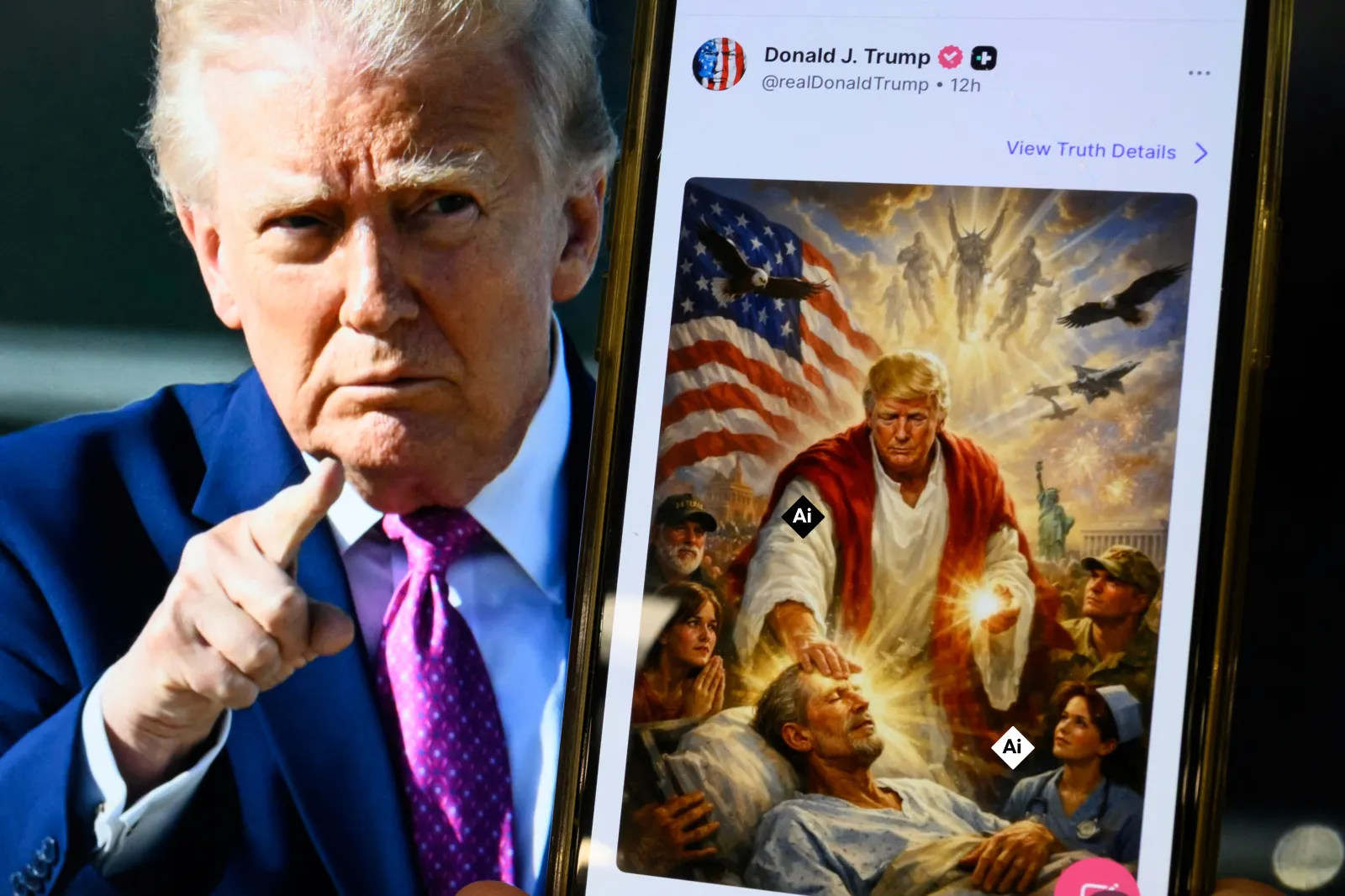
Special Assistant to the President Kush Desai called the rate increase an unfortunate decision lacking a compelling economic case. He argued inflation is driven by energy supply shocks and Middle East oil prices, not monetary policy.
Democrats blame Trump
Democratic Senator Chuck Schumer posted that Trump's economy is awful and getting worse, making the Fed's rate hike inevitable. Senator Elizabeth Warren said Americans will pay more for mortgages and credit cards because of Trump.
“His economy is awful, and it's getting worse by the day.”
Three factors drove the hike
Warsh said the economy strengthened, inflation trends did not improve enough, and geopolitical risks shifted since July. He said all three factors led to the unanimous decision to raise rates.
Not data dependent
Warsh rejected the idea that the hike was driven by a single economic report, saying he focuses on broader trends. He said data points are noisy and data point dependence is a dangerous preoccupation.
“Data points are noisy. Data point dependence is a dangerous preoccupation.”
No forward guidance yet
Warsh declined to commit to whether the Fed will raise rates again, saying he is not in the forward guidance business. He said the Fed has been preparing for the decision but will not prejudge future moves.
“I'm not in the forward guidance business.”
Fed independence is two-way
Warsh defended the Fed's independence, saying it means staying in its lane while letting trade and fiscal policymakers stay in theirs. He said this allows the Fed to call outcomes as it sees them.
“Independence is a two-way street.”
Trump's Powell feud explained
Trump clashed repeatedly with former Fed Chair Jerome Powell over interest rates, accusing him of being too slow to cut and playing politics. Powell emphasized the Fed's independence and responsibility to control inflation.
Powell resisted rate cut pressure
In April 2025, Trump said Powell's termination could not come fast enough. Powell pushed back by emphasizing the Fed's independence and the need to control inflation above its 2 percent target.
Warsh replaces Powell
Trump selected Kevin Warsh to succeed Jerome Powell as Fed chair. Warsh's first rate increase may now create new tension with the White House, similar to Trump's disputes with Powell.
More hikes possible in 2026
The Fed's updated projections show the median federal funds rate at 4.1 percent by the end of 2026, implying another quarter-point increase. Economists expect at least one more rate increase by March.
Markets watching the dot plot
Investors are watching the Fed's dot plot, which shows policymakers' expectations for future interest rates. The focus shifts to the Fed's economic projections and Warsh's comments about the rate path ahead.
FOMC met September 15-16
The Federal Open Market Committee met Tuesday and Wednesday, September 15-16, with the rate decision announced Wednesday afternoon. The committee voted unanimously to raise the federal funds target range by a quarter percentage point.
At a glance
The Federal Reserve prioritizes controlling inflation over presidential pressure, with new Chair Warsh signaling the central bank's independence from White House demands.