From Newsweek · · 3m
Puerto Rico Water Crisis Exposes Civic Power Gap
Puerto Rico's water crisis reveals a persistent civic power gap after Hurricane Maria.
In brief
Puerto Rico's water crisis reveals a persistent civic power gap after Hurricane Maria. Puerto Rico's water crisis highlights infrastructure failures and a civic power gap that prevents residents from effectively demanding accountability before the next emergency. Originally reported by Newsweek.
Water Shortages Impact Puerto Rico
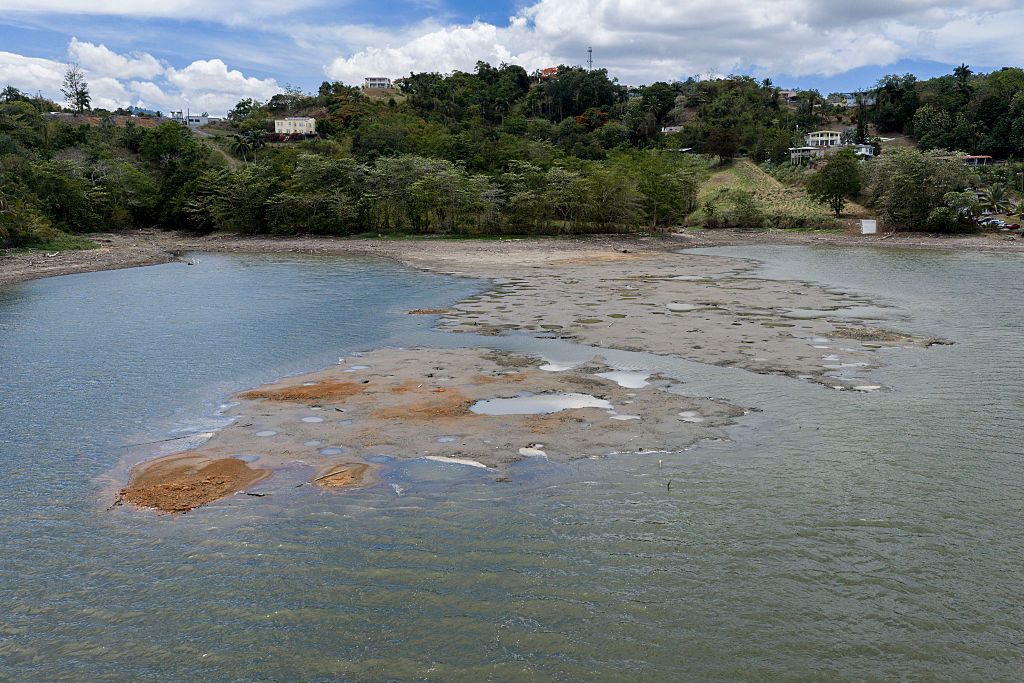
Hundreds of thousands of Puerto Rico residents face water rationing and service disruptions due to drought and aging infrastructure.
Nine Years After Maria, Crisis Reveals Civic Gap
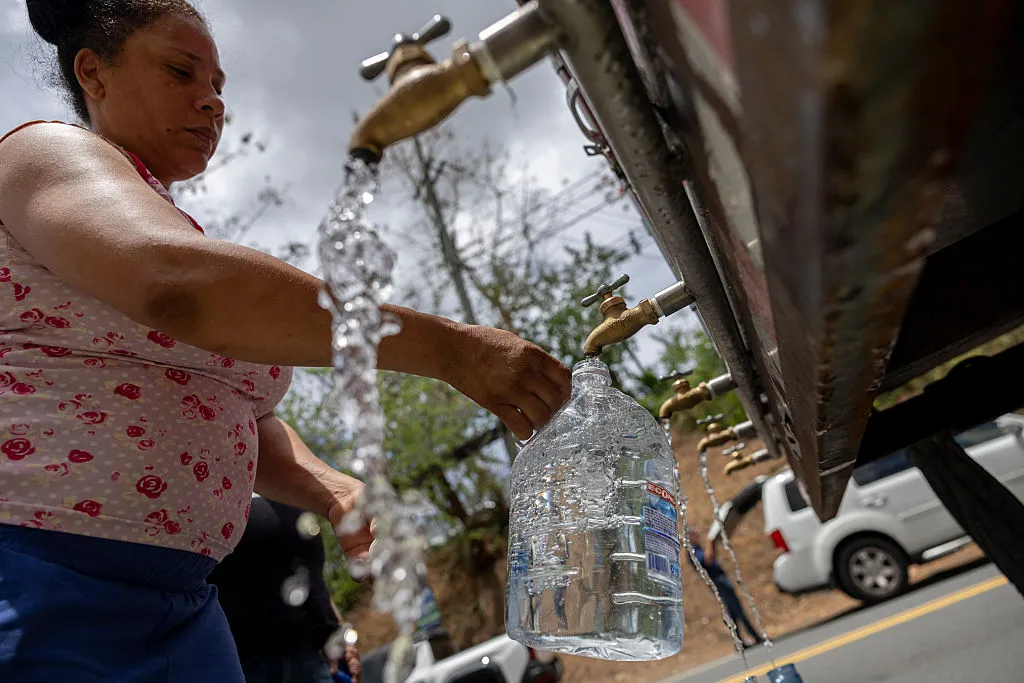
Nine years after Hurricane Maria exposed infrastructure weaknesses, advocates say current water shortages reveal a persistent gap between citizens and institutions responsible for essential services.
Accountability Questions Grow
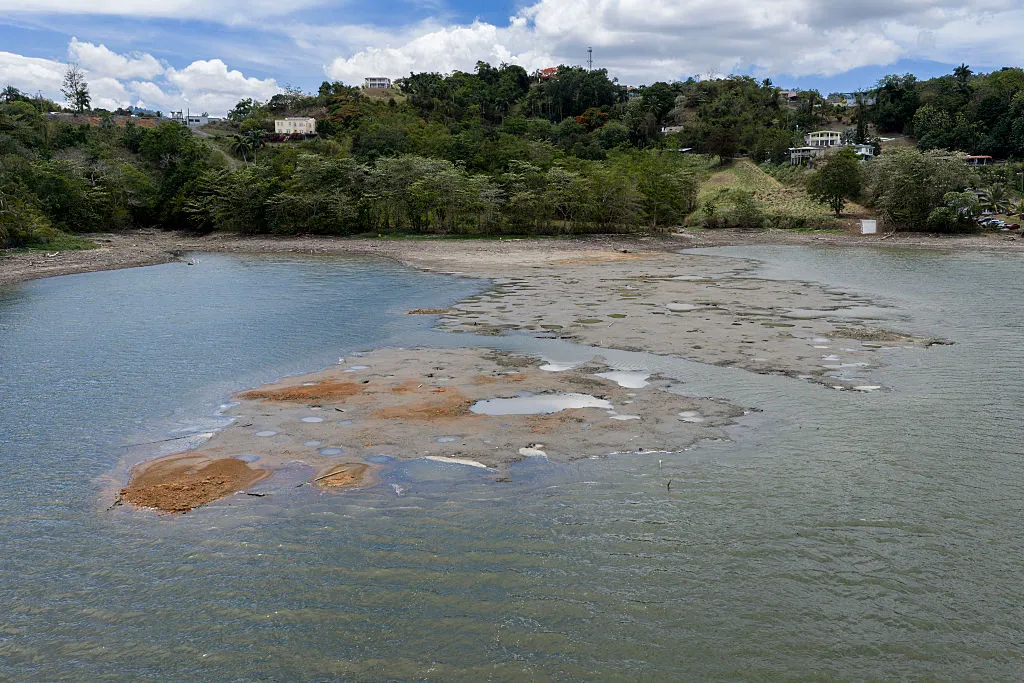
As officials manage shortages, questions intensify over accountability, transparency, and how residents can demand action before the next crisis strikes.
FEMA's Historic Support for Puerto Rico
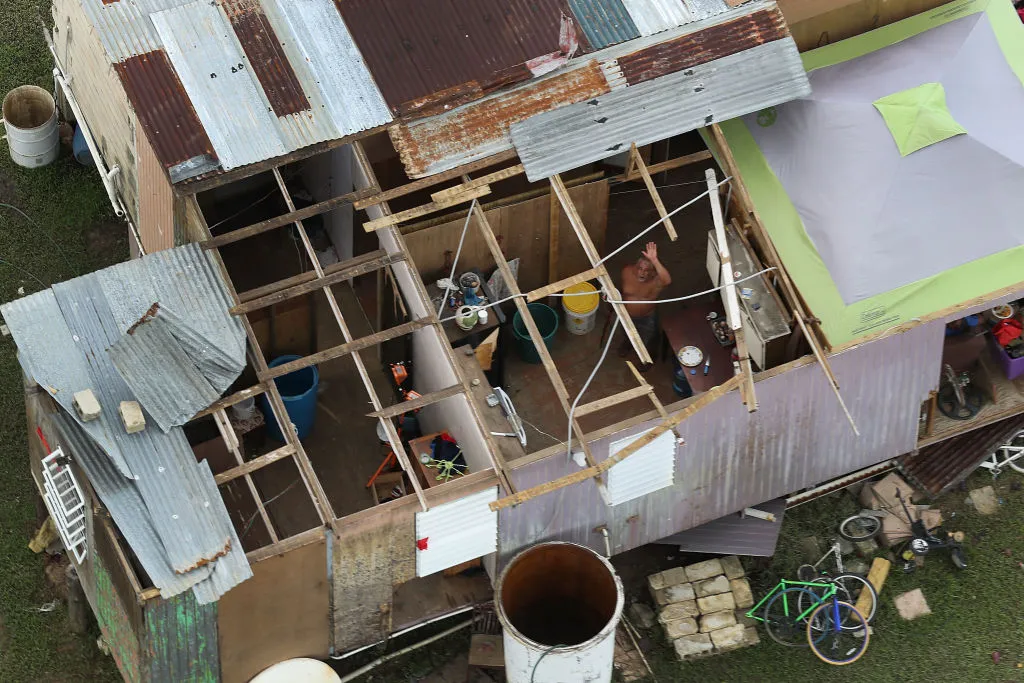
FEMA has provided over $42 billion in federal funds since September 2017, supporting Puerto Rico's recovery and infrastructure reconstruction.
PRASA Reports 65% Water Loss
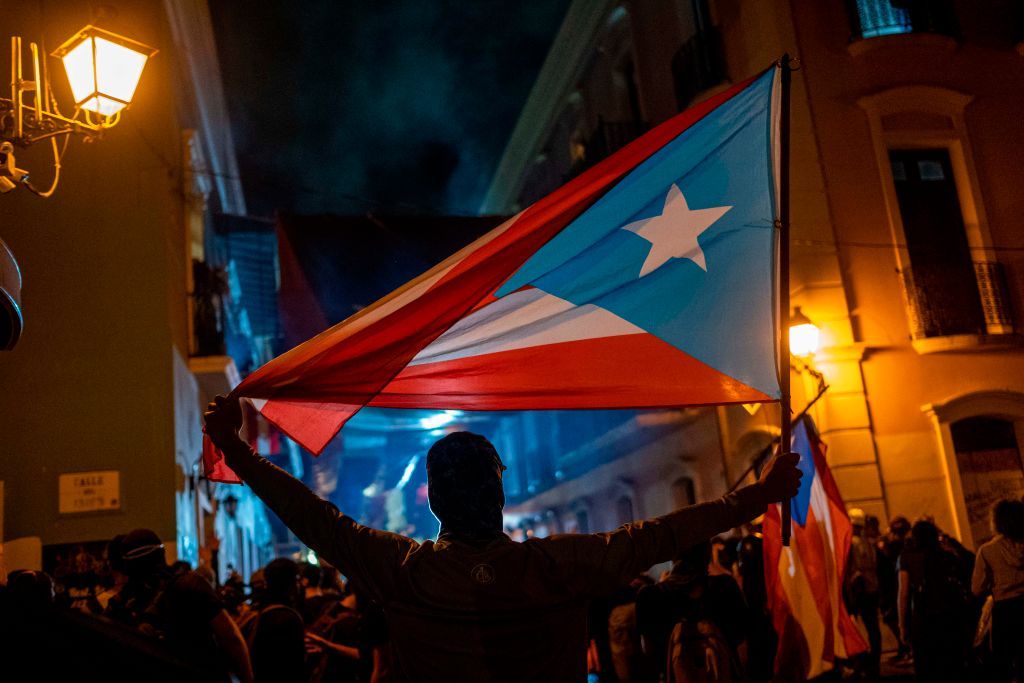
PRASA reports losing up to 65 percent of water through leaks, pipe failures, and overflows before it reaches customers.
June Pipeline Failure Highlights Vulnerability
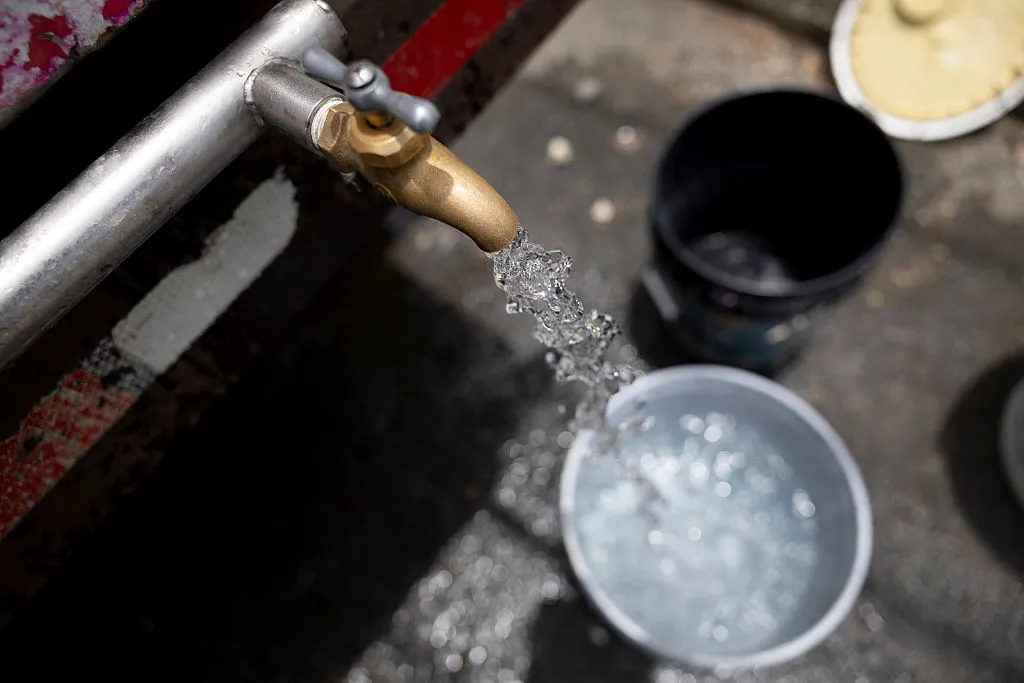
A major pipeline failure in June temporarily stabilized service but did not resolve long-term maintenance and reliability concerns.
Jennice Fuentes on Civic Knowledge Gap
Jennice Fuentes, founder of BoricuActivatEd, says Hurricane Maria exposed a gap between people's desire to act and understanding government mechanics.
“I would never say that Puerto Rican communities simply didn't know how to navigate government.”
Civic Power Beyond Emergencies
Civic power means engaging with government before emergencies, not just after immediate crises fade from public view.
“Civic knowledge would not have prevented María or solved the recovery failures that followed it.”
Water Crisis Exposes Accountability Problem
The water crisis reveals deeper accountability issues, including fragmented authority across federal, territorial, and local agencies.
“The water crisis exposes a different dimension of the same fundamental problem.”
Reservoir Levels Improve with Rainfall
Carraízo reservoir reached 40.64 meters and La Plata reservoir rose to 44.40 meters after recent rainfall.
Fuentes on Civic Engagement
Fuentes emphasizes that civic knowledge helps communities understand who is responsible and how to demand answers without becoming engineers or lawyers.
“Crisis mobilization and civic power are two different things.”
Accountability Challenges Remain
Residents face challenges identifying responsible agencies when services fail, affecting access to basic necessities and economic stability.
Civic Power by 2030
Fuentes envisions a Puerto Rico where civic literacy is as common as other forms of education, empowering residents to demand answers before the next crisis.
“My goal is not to create millions of government experts, but to create millions of people who understand that the government belongs to them too.”
Water Crisis Exposes Deeper Issues
The water crisis highlights infrastructure failures and a civic power gap that prevent residents from effectively demanding accountability before the next emergency.
FEMA's Commitment to Puerto Rico
FEMA has committed to supporting Puerto Rico's long-term resilience and recovery through infrastructure projects and economic empowerment.
Civic Power for the Future
Residents need to understand who represents them, which institutions control decisions, and how public resources are spent to exercise civic power.
What it means
Puerto Rico's water crisis highlights infrastructure failures and a civic power gap that prevents residents from effectively demanding accountability before the next emergency.