From Newsweek · · 2m
San Diego fights back against Waymo robotaxis
The city is demanding local control over autonomous vehicles, raising questions other cities may soon ask.
In brief
The city is demanding local control over autonomous vehicles, raising questions other cities may soon ask. San Diego's push for local control over robotaxis reflects a growing tension between tech companies, state regulators, and communities affected by autonomous vehicle expansion. Originally reported by Newsweek.
San Diego votes to challenge Waymo
The city council unanimously approved a resolution on September 14 urging California lawmakers to give cities more control over autonomous vehicle operations after Waymo launched its robotaxi service.
The control problem
California regulates autonomous vehicles at the state level through the DMV and Public Utilities Commission, leaving local governments with virtually no say over how robotaxis operate in their own cities.
Why San Diego is concerned
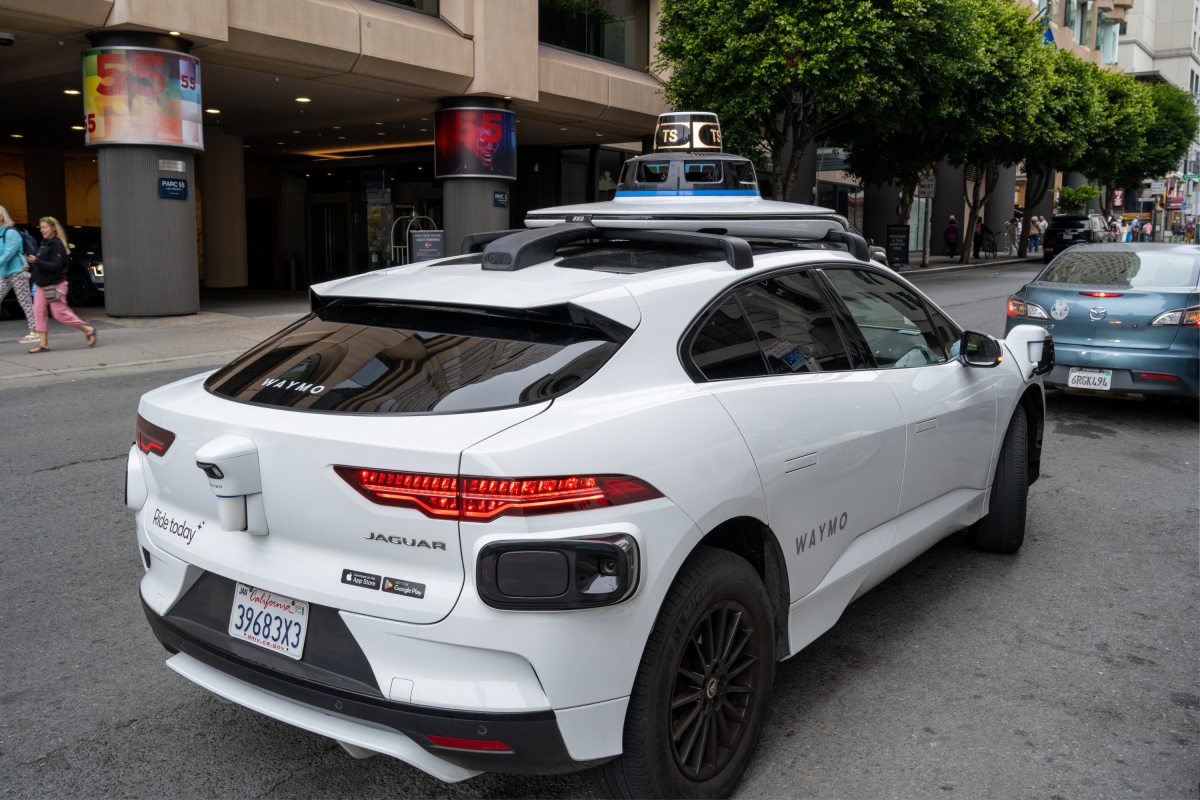
City officials worry about public safety, traffic management, job losses, and community impact. Council member Sean Elo-Rivera said San Diego shouldn't be a testing ground where corporations profit while workers and the city bear the risk.
“I am not against the technology. I am against corporations taking the profit, working San Diegans taking the loss, and our city taking the risk while nobody here gets a vote.”
What San Diego is demanding
The resolution calls for greater local authority over robotaxi operations, compliance with local ordinances, limits on empty vehicles, restrictions near schools and hospitals, and a ban on autonomous vehicles at the airport.
Labor fears drive the push
City officials and driver advocacy groups argue that widespread robotaxi adoption could eliminate thousands of taxi, rideshare, and delivery-driving jobs across the region.
Waymo's safety argument
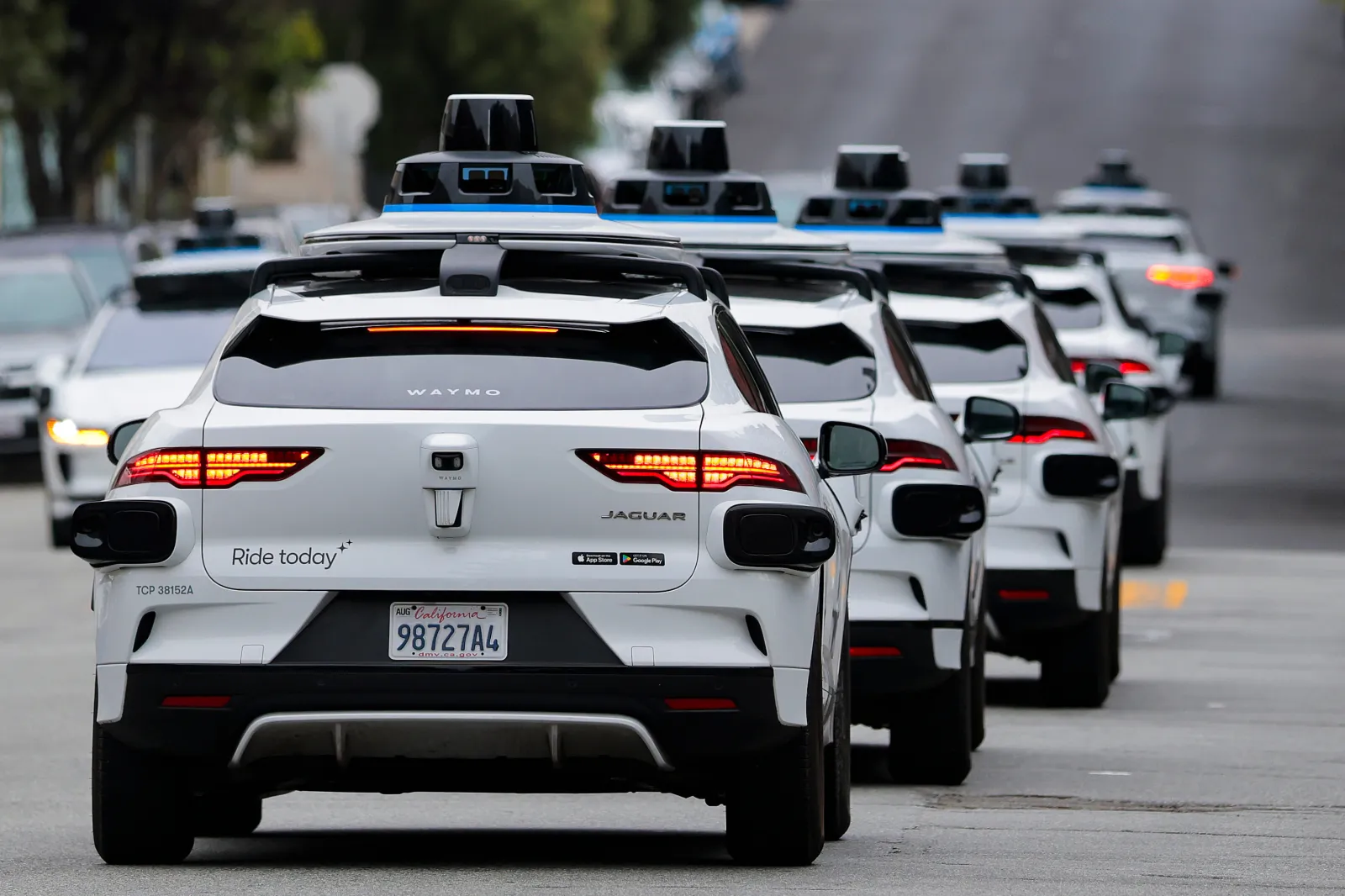
Waymo says its vehicles are involved in 94 percent fewer crashes than human drivers based on over 220 million autonomous miles driven through March 2026. The company claims it has trained hundreds of local emergency personnel.
Emergency response concerns
The National Highway Traffic Safety Administration issued a letter noting a clear pattern of autonomous vehicles interfering with law enforcement and first responders. San Diego's resolution supports a federal bill to establish national coordination standards.
San Francisco could be next
San Francisco residents have raised concerns about robotaxis blocking traffic and emergency vehicles. The city considered a fine system for autonomous vehicles that obstruct first responders.
A national pattern emerging
As robotaxis expand into more cities, local councils may increasingly seek tighter controls over curb space, traffic rules, emergency service interaction, and worker protections.
The bigger question
San Diego's resolution is largely symbolic for now, but it raises a fundamental question: should technology companies and state regulators decide how autonomous vehicles reshape cities, or should local communities have a say?
The big picture
San Diego's push for local control over robotaxis reflects a growing tension between tech companies, state regulators, and communities affected by autonomous vehicle expansion.