From Newsweek · · 1m 40s
Susan Collins' 2026 Senate Race Strengthens
Collins enters 2026 Senate race stronger than 2020 despite national Republican headwinds.
In brief
Collins enters 2026 Senate race stronger than 2020 despite national Republican headwinds. Maine Senator Susan Collins leads 2026 Senate polls with 47.3% support versus 42.6% in 2020, securing a stronger position than her 2020 victory despite national Republican challenges. Originally reported by Newsweek.
Collins' 2026 Senate Race
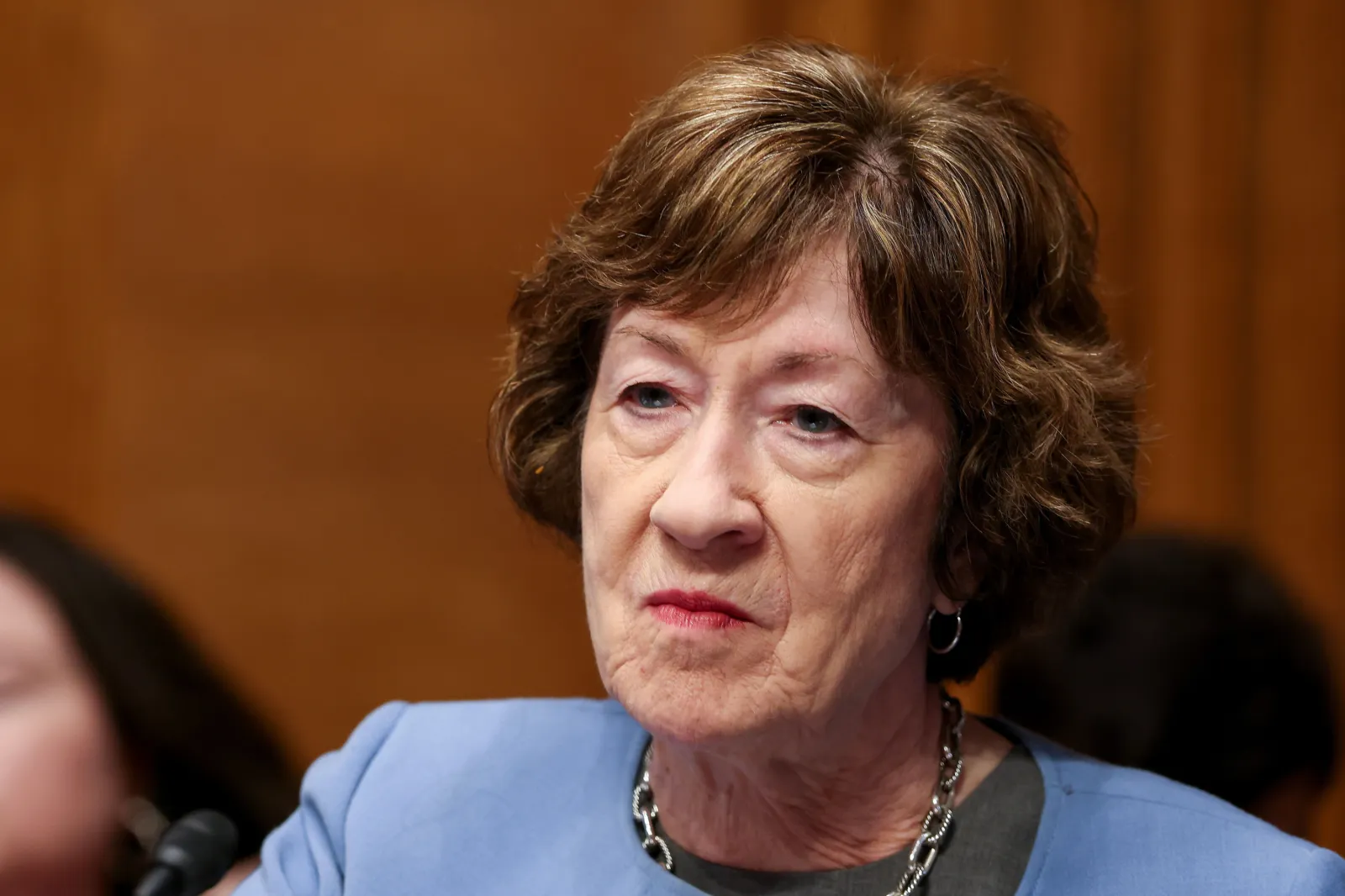
Maine Republican Senator Susan Collins enters final weeks of reelection campaign stronger than her 2020 victory.
National Republican Headwinds
Republicans hold 53-47 Senate majority requiring four Democratic gains to take control.
2026 Polling Advantage

RealClearPolitics average shows Jackson at 48.3% versus Collins' 47.3% in October 2026 polls.
2020 Polling Context
Collins trailed Sara Gideon by 8.6 points in 2020 with Gideon at 46.4% and Collins at 42.6%.
Collins' Favorable Ratings
51% of Maine voters view Collins favorably versus 48% unfavorable in September 2026 poll.
2020 Favorable Ratings
Collins had 50% favorable and 47% unfavorable ratings in September 2020 poll.
Collins' Financial Position
Collins raised $26.5 million in 2020 versus Gideon's $68.6 million with $16.2 million in 2025-26 receipts.
Jackson's Campaign

Troy Jackson, a fifth-generation logger from Allagash, entered race after primary candidate Graham Platner withdrew.
Platner's Primary Success
Platner led 76% of Democratic primary voters and 51% of general election voters in May 2026 polls.
Jackson's Campaign Strategy
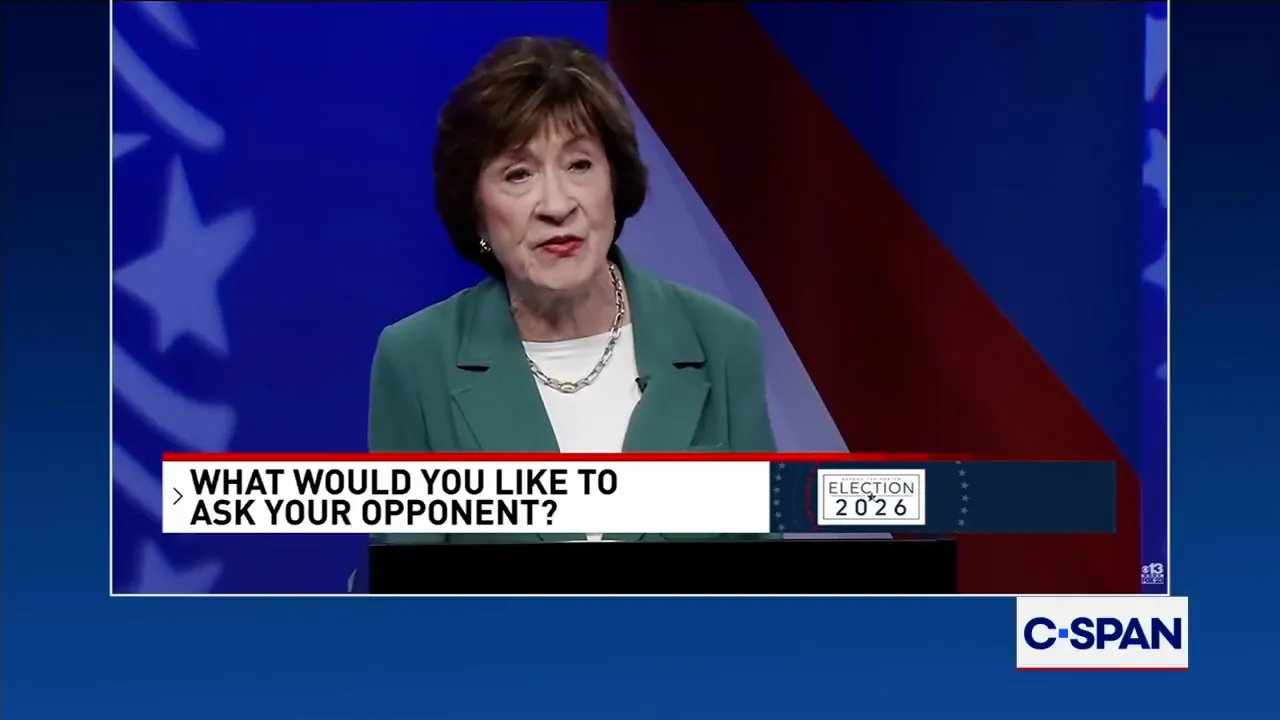
Jackson focuses on Trump, rural voters and energy prices to challenge Collins' Senate leadership.
National Risk
Maine rejected Trump in all presidential campaigns with Harris carrying state by 6.9 points in 2024.
Collins' Advantage
Collins enters closing stretch with stronger polling and financial position than 2020 despite national headwinds.
The takeaway
Maine Senator Susan Collins leads 2026 Senate polls with 47.3% support versus 42.6% in 2020, securing a stronger position than her 2020 victory despite national Republican challenges.