From Newsweek · · 3m
Twenty years of pain, and no one believed her
Jessica Wings was told her period pain was anxiety since she was 14. At 35, a specialist finally looked properly.
In brief
Jessica Wings was told her period pain was anxiety since she was 14. At 35, a specialist finally looked properly. If a doctor keeps telling you nothing is wrong while you keep collapsing from pain, find a specialist in that specific condition. A normal scan is not the same as a thorough one. Originally reported by…
The sentence that changed everything

At 35, a specialist told Jessica Wings she had a very high pain tolerance and must have been suffering badly. It was the first time in 20 years a doctor believed her.
“You have a very high pain tolerance. You must have been suffering quite badly.”
It started at 14
She remembers lying on the floor, writhing and sweating, certain she was dying. A month later she got her first period.
“I thought I must be dying.”
Worse than a broken bone
The pain crushed her pelvis and radiated to her back and thighs, sometimes dropping her heart rate until she blacked out. Kidney stones and a car accident did not come close.
“None was as bad as my periods.”
It took her life apart

She cancelled on friends, lost relationships, and was fired for not being able to work through her periods. Fear of collapsing in public left her barely wanting to leave the house.
Just anxiety, take ibuprofen
Doctors told her she had a low pain tolerance and reassured her she did not have endometriosis, a condition where uterus-like tissue grows on the ovaries, bowels or bladder.
A gut feeling she trusted
After another unremarkable ultrasound, a gynecologist offered a hysterectomy anyway and to burn off any endometriosis she found. Wings felt wary and walked away.
“I had an unexplainable gut feeling that I was not on the right path.”
Anger sent her looking
Giving up did not stop the pain, so she got angry and went hunting for doctors who actually specialize in women's health. She found an endometriosis clinic in Gig Harbor, Washington.
Found in one scan
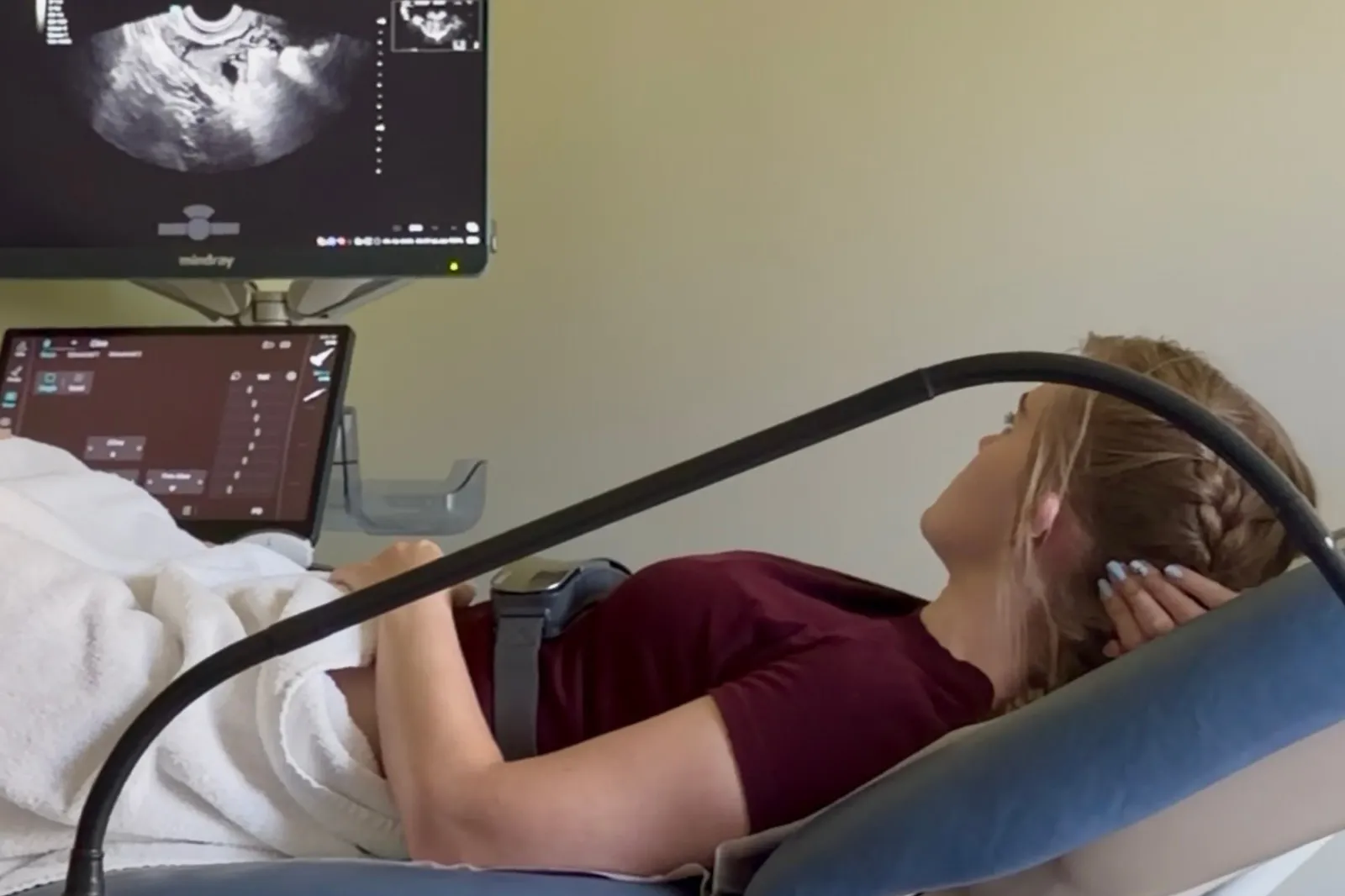
A dynamic transvaginal ultrasound showed an enlarged, globular uterus with the signs of adenomyosis, plus a kiwi-size fibroid. The specialist also suspected endometriosis from a tethered ovary and tenderness.
“How had the previous gynecologist missed all this?”
Burning versus removing
The specialist explained why the first offer worried her: ablation is like burning off the top of a weed and leaving the roots. Excision aims to take the whole lesion out.
“Ablation surgery is like burning off the top of a weed, leaving the root structure behind.”
A year to decide
Her options were cutting the nerves carrying uterine pain signals, which is not guaranteed to work, or a hysterectomy, the definitive fix for adenomyosis. At 36, not wanting children, she chose surgery.
Nine weeks and pain-free
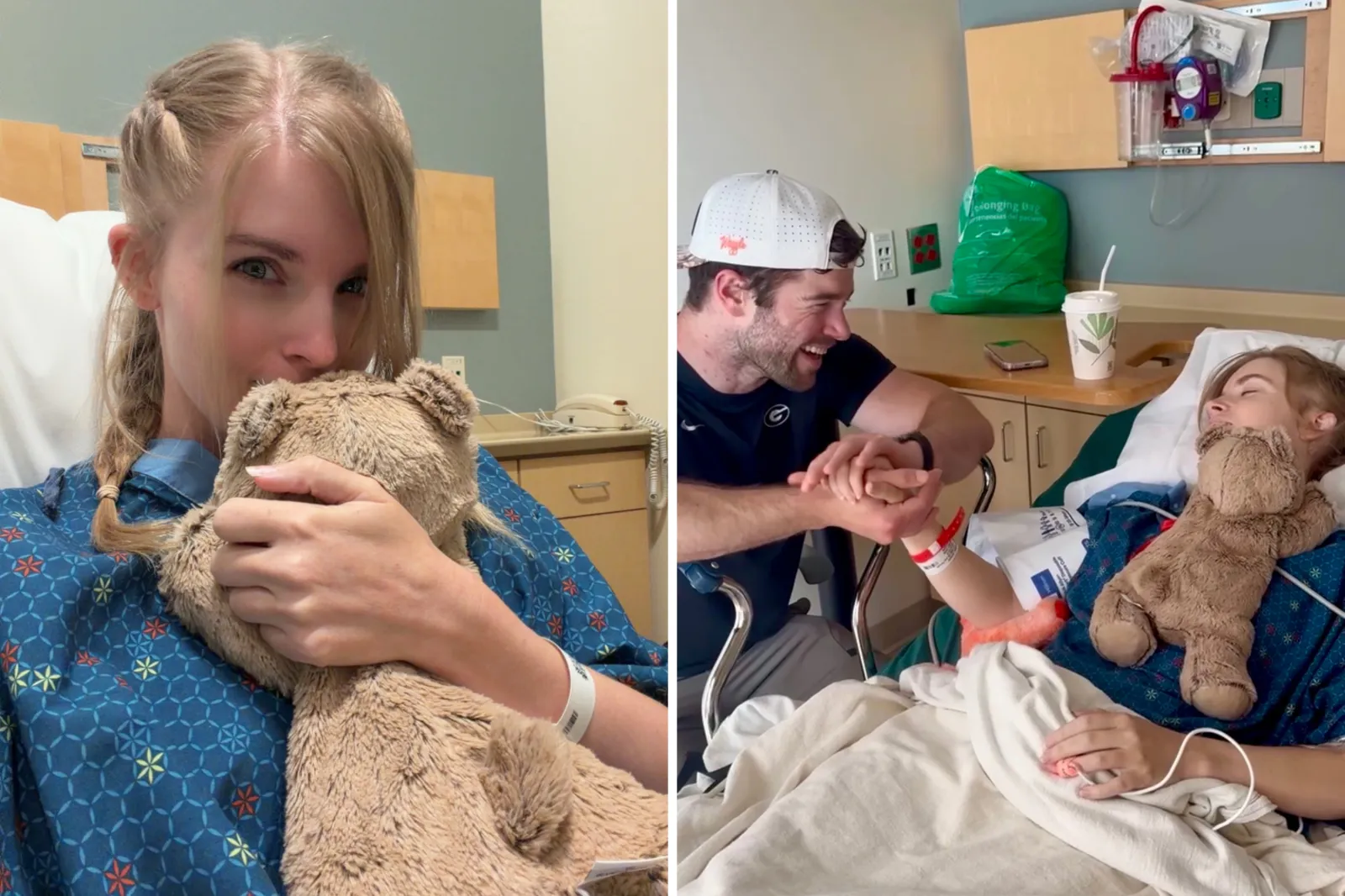
Surgeons did a total hysterectomy and excision of Stage 3 endometriosis. Recovery hurt less than her periods, she kept her ovaries, and her cycles are now mostly chocolate cravings.
“The pain of surgery and recovery was almost laughable compared with the pain I experienced during my periods.”
What it means
If a doctor keeps telling you nothing is wrong while you keep collapsing from pain, find a specialist in that specific condition. A normal scan is not the same as a thorough one.