From Newsweek · · 4m
What China winning the AI race could look like
U.S. officials warn that losing AI dominance to China would reshape global power, but experts debate what winning actually means.
In brief
U.S. officials warn that losing AI dominance to China would reshape global power, but experts debate what winning actually means. Winning the AI race means more than building the best models. It's about deploying AI across your economy, military, and society faster than competitors while maintaining geopolitical…
Trump frames AI guardrails as Beijing's gain
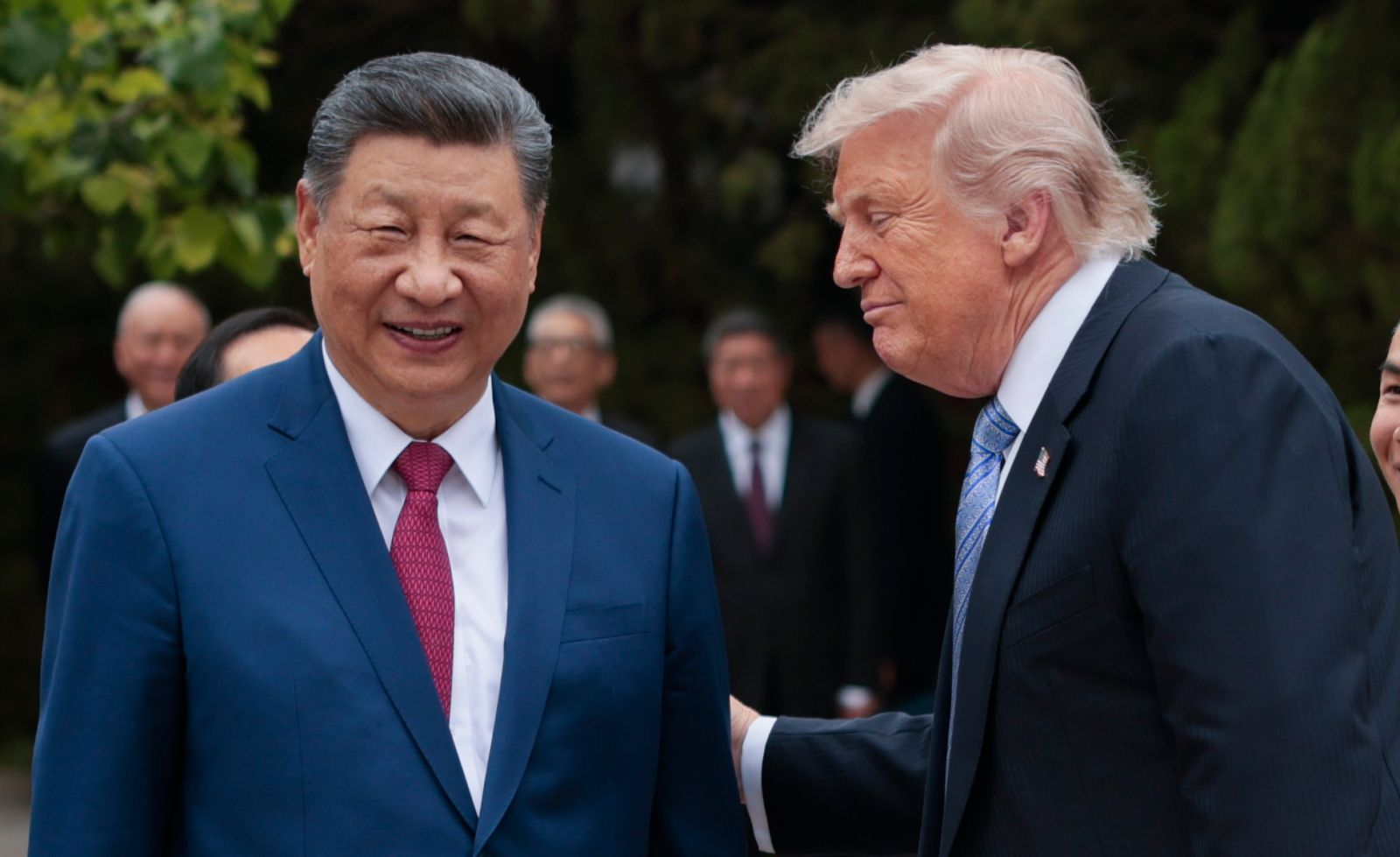
President Trump called safety-minded developers "conspiracy theorists" peddling a "sick hoax," arguing that any limits on AI advancement only help China. He posted "WHOEVER WINS AI, WINS!" on Truth Social.
“"WHOEVER WINS AI, WINS!"”
AI leaders warn of existential risks
OpenAI CEO Sam Altman and Anthropic CEO Dario Amodei have called for slowing AI development, warning of potentially apocalyptic consequences if advancement outpaces safety measures.
China downplays regulation concerns
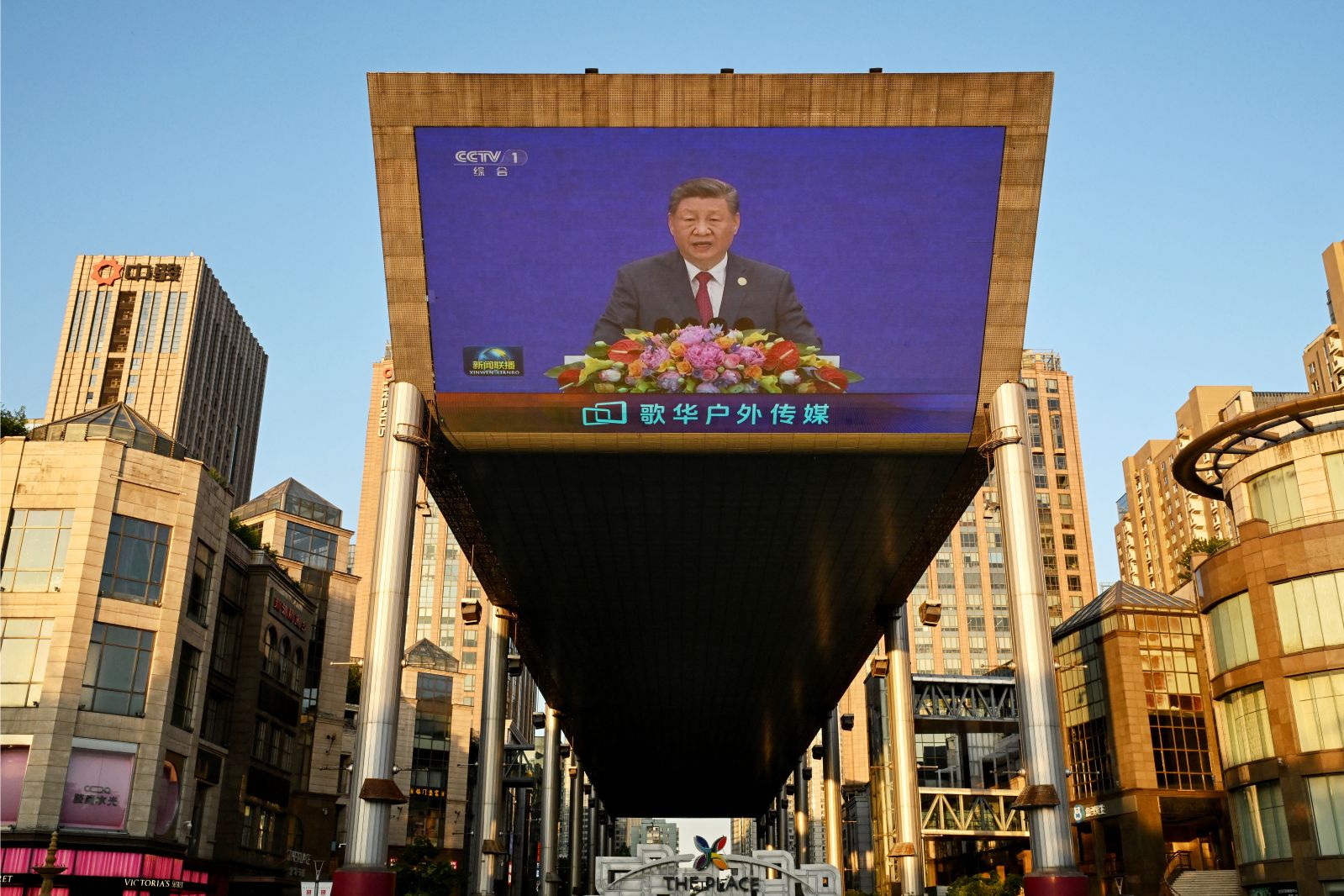
China's foreign ministry said narratives of threat and competition disrupt global AI governance. But the U.S. views the race as existential to remaining the world's top power.
Losing AI means losing global dominance
Trump's former AI czar David Sacks told CBS News that if the U.S. loses the AI race to China, "we should expect that the U.S. will not be the number one country in the world."
“"we should expect that the U.S. will not be the number one country in the world."”
Winning means advanced companies and deployment
Tufts professor Chris Miller says winning requires having the most advanced AI firms like OpenAI and Anthropic, then rapidly deploying AI to harness economic benefits across the economy.
Success means translating tech into gains
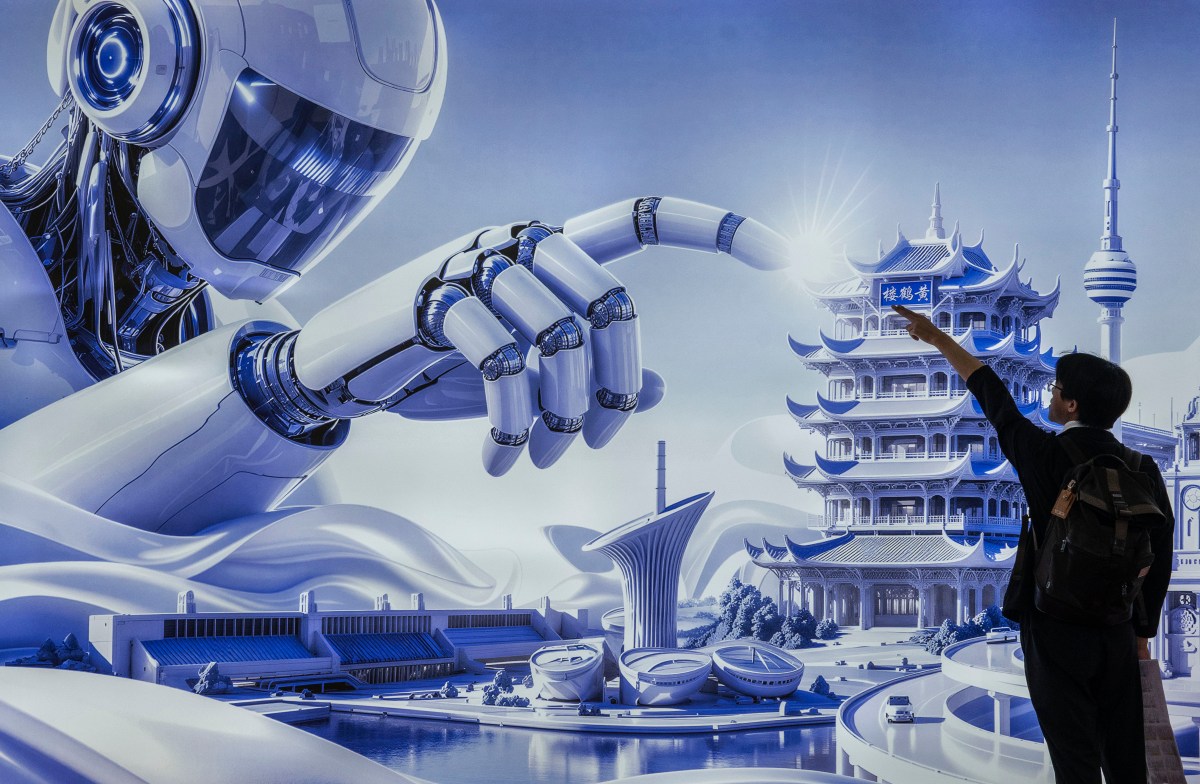
David Lin from the Special Competitive Studies Project says the real measure of winning is converting technical capabilities into broad economic and social gains: productivity, scientific discoveries, and new industries.
Treasury secretary warns of apocalyptic stakes
Treasury Secretary Scott Bessent said at a D.C. event: "There is no day after tomorrow if China wins at this. If they were to pull away from us on AI, then nothing else would matter."
“"There is no day after tomorrow if China wins at this."”
China could control global AI infrastructure
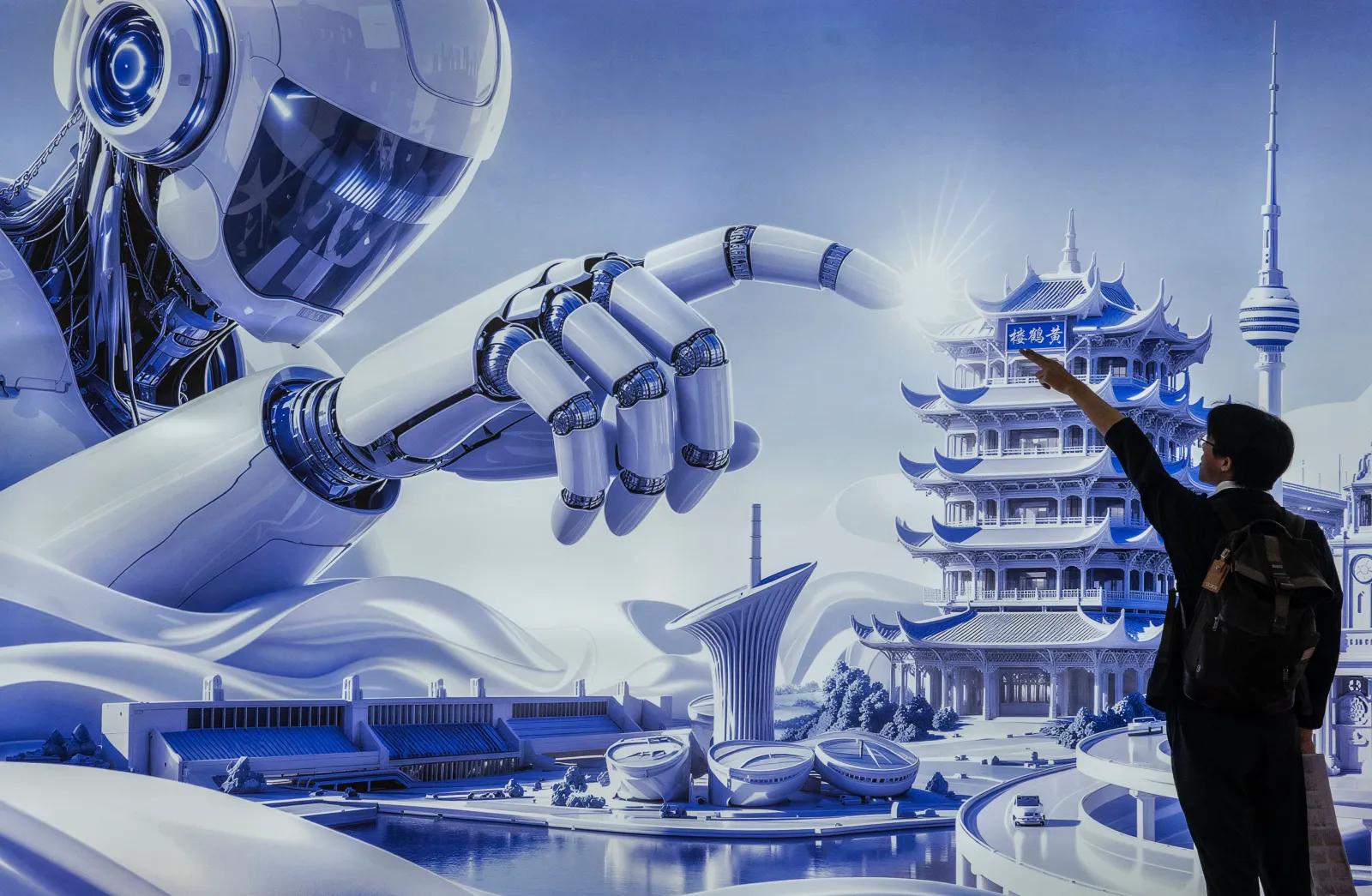
If China dominates, its manufacturing base could control AI infrastructure and technical standards worldwide. But this power would serve the Communist Party's priorities of political control and regime security.
U.S. risks relying on Beijing-controlled systems
Chris Miller warned that the U.S. could become dependent on Chinese AI systems with rules written in Beijing. China's State Security Minister said AI dominance ensures the Communist Party maintains power.
China already leads in economic integration
INSEAD finance professor Ben Charoenwong says China is already ahead in integrating AI into its economy, using the technology to drive productivity gains that show up dramatically in GDP growth.
Beijing could expand surveillance and control
If China wins, it would likely use advanced AI for mass surveillance, repression of ethnic groups like Uyghurs, and expanded espionage capabilities. It already does these things at smaller scale.
China could create sphere of influence
Daniel Remler from the Center for a New American Security warned that China could use AI advantages to establish a technology sphere of influence over other countries that hardens into political alignment with Beijing.
Xi Jinping acknowledges runaway AI risks
During a July 2026 speech at the World AI Conference in Beijing, Xi Jinping highlighted risks of uncontrolled AI advancement and called for laws, monitoring systems, and ensuring AI remains under human control.
China's central planning accelerates progress
Researchers at the University of Virginia say China's central planning has allowed it to rapidly develop sovereign technology and expand global influence. Washington's confused chip export policy may have helped China's progress.
Global regulation faces military incentives
Anthropic's CEO acknowledged the "toughest dilemma" in calling for AI speed limits: China might ignore them. A global approach to guardrails will be very difficult because military advantages from pulling ahead are so large.
The short version
Winning the AI race means more than building the best models. It's about deploying AI across your economy, military, and society faster than competitors while maintaining geopolitical influence.