From Newsweek · · 1m 40s
Why 2026's quiet hurricane season hints at 2027 chaos
El Niño is suppressing Atlantic storms now, but its weakening could unleash more activity next year and potentially record global heat.
In brief
El Niño is suppressing Atlantic storms now, but its weakening could unleash more activity next year and potentially record global heat. El Niño is keeping Atlantic hurricanes quiet in 2026, but when it weakens in 2027, expect more storms, wetter weather in the Southeast and California, and possibly the warmest year on…
El Niño is crushing Atlantic storms
Only five named storms have formed in the Atlantic this year with zero hurricanes. El Niño's warm waters are suppressing tropical activity in the Western Atlantic.
El Niño is reaching historic strength
The Climate Prediction Center says El Niño has over 90 percent chance of becoming very strong through winter, with 75 percent odds it will exceed all El Niño events since 1950.
Pacific gets active while Atlantic sleeps
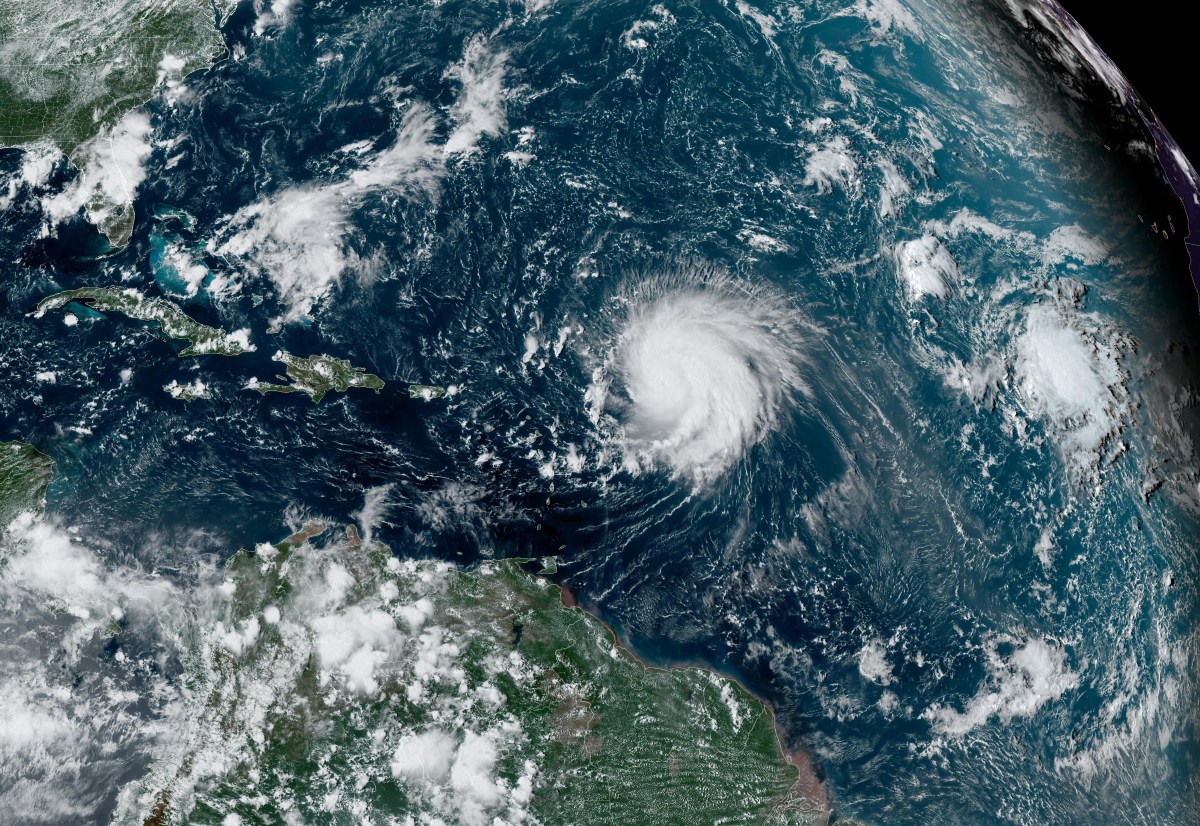
El Niño suppresses Atlantic hurricanes but increases activity in the Eastern and Central Pacific. The opposite ocean basins see opposite effects.
“El Niño conditions are associated with fewer tropical storms and hurricanes, especially in the Western Atlantic Ocean Basin.”
2027 could flip the script entirely
El Niño will likely weaken or become neutral by next hurricane season, potentially allowing more Atlantic storms than 2026. The exact impact depends on other climate factors still uncertain.
Southeast and California get soaked
El Niño winters typically bring increased rainfall to the Southeast and California through stronger jet streams and atmospheric rivers, potentially easing drought conditions in both regions.
Twenty twenty-seven could be hottest year ever
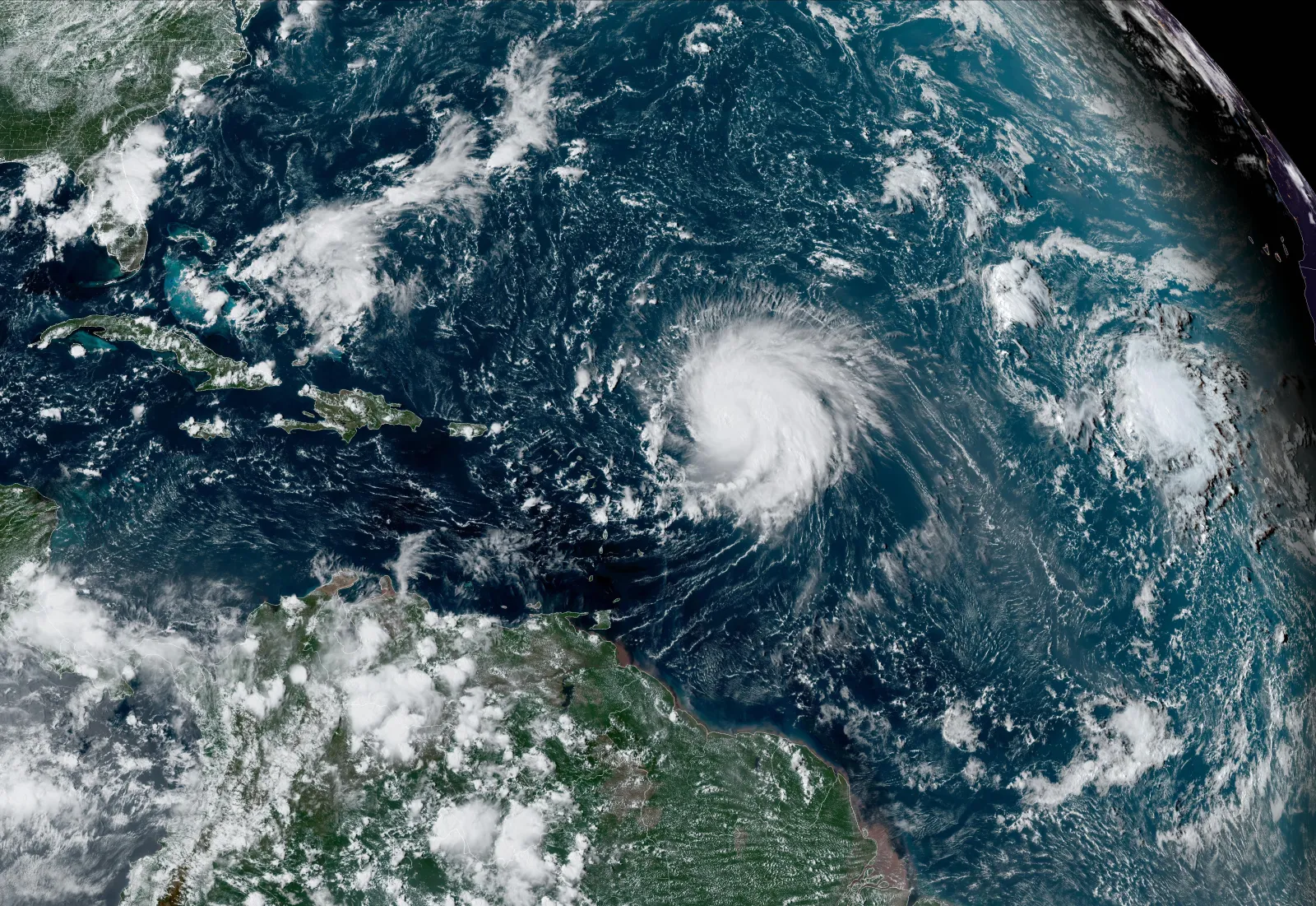
Global temperatures could reach record levels in 2027 due to El Niño effects. Heat energy built up during El Niño years often makes the following year even warmer than the El Niño year itself.
The big picture
El Niño is keeping Atlantic hurricanes quiet in 2026, but when it weakens in 2027, expect more storms, wetter weather in the Southeast and California, and possibly the warmest year on record globally.