From Newsweek · · 2m
Why 5,790 Americans gave up their passports
Renunciations hit a six-year high as a tax law, a Trump backlash, and an 80 percent fee cut collide.
In brief
Renunciations hit a six-year high as a tax law, a Trump backlash, and an 80 percent fee cut collide. Most Americans who hand back the passport are not fleeing the country, they are fleeing a tax system that follows them everywhere, and it just got a lot cheaper to leave. Originally reported by Newsweek.
A six-year high
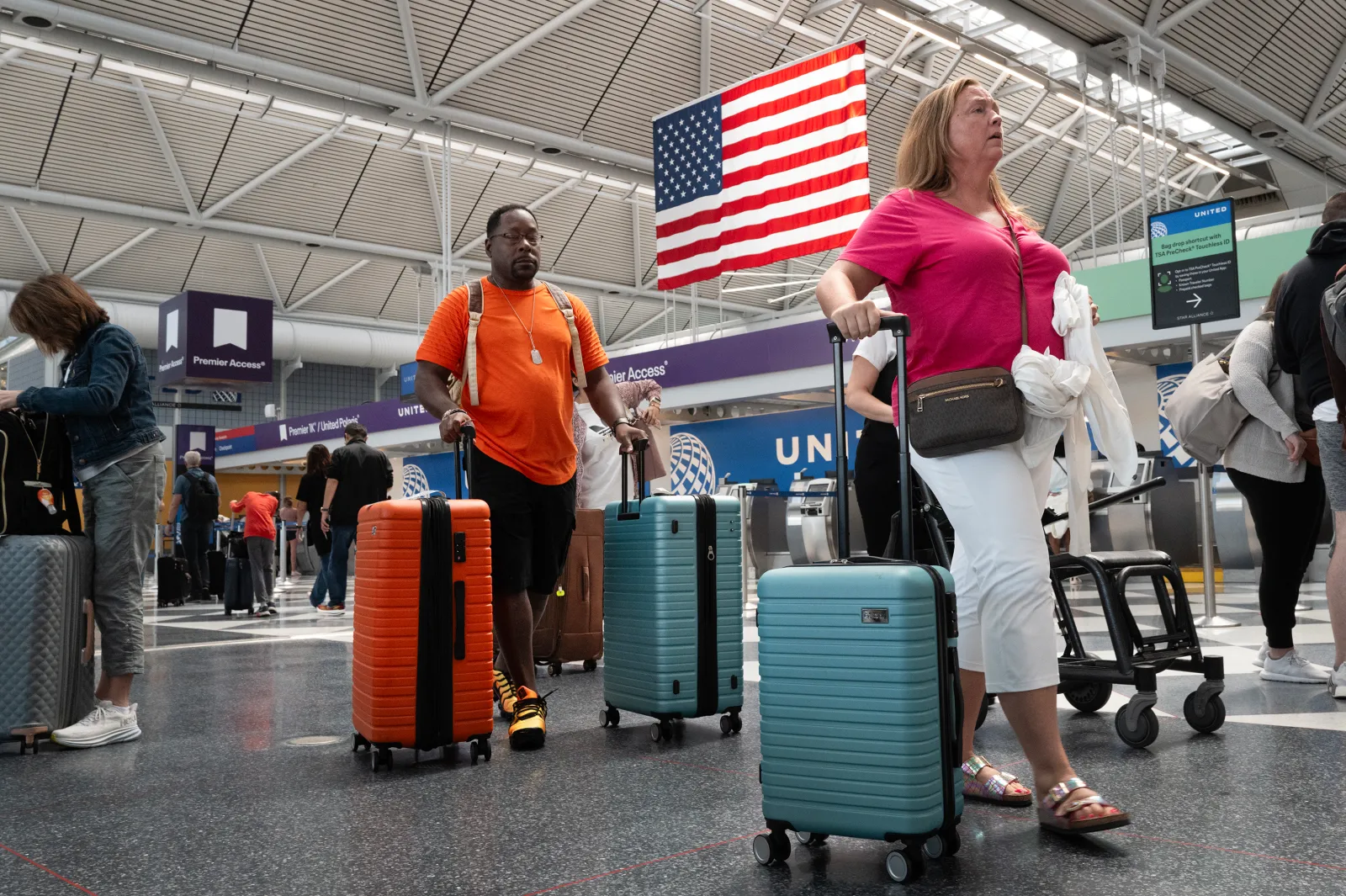
5,790 names appeared on the Federal Register's expatriation list over the past four quarters, covering citizens who renounced and long-term green card holders who ended their U.S. tax residency.
The spring spike
Between April and June, 1,781 names were recorded, up 68.5 percent from the same quarter a year earlier. First-half totals hit 3,243, a 38.5 percent jump over 2025.
What the list misses
The register logs when the Treasury was notified of a status change, not when it happened. The timing is fuzzy, but the decade-long direction is not.
FATCA changed everything
From 2000 to 2008, only about 452 people a year gave up status. Then Congress passed FATCA in 2010, forcing foreign banks to report American account holders, and the numbers exploded.
“More than 190-plus countries agreed to this program, which went into effect in 2014.”
Taxed in two places
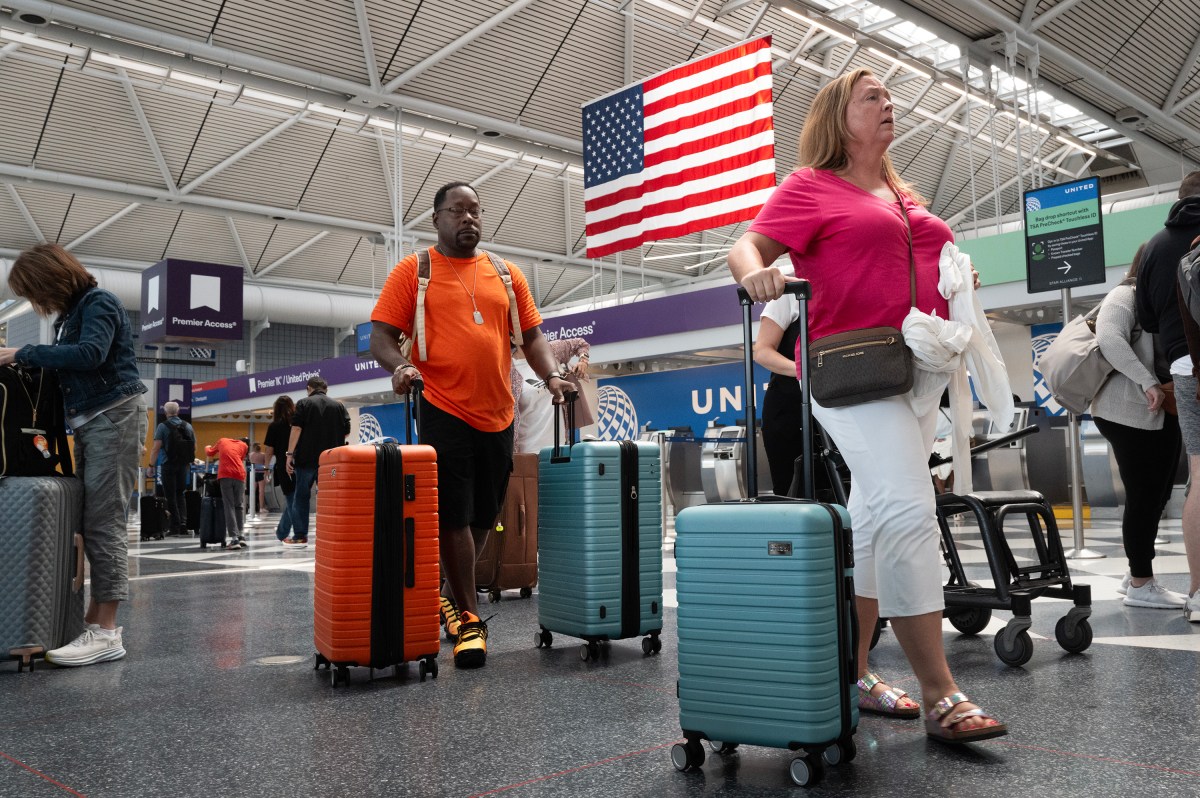
The U.S. taxes citizens on worldwide income no matter where they live. Expats in low-tax countries resent paying at all, and those in high-tax ones get hit twice.
“No matter where you go, every euro, pound, peso you ever make is subject to U.S. tax, in life and in death.”
Politics pushed some out
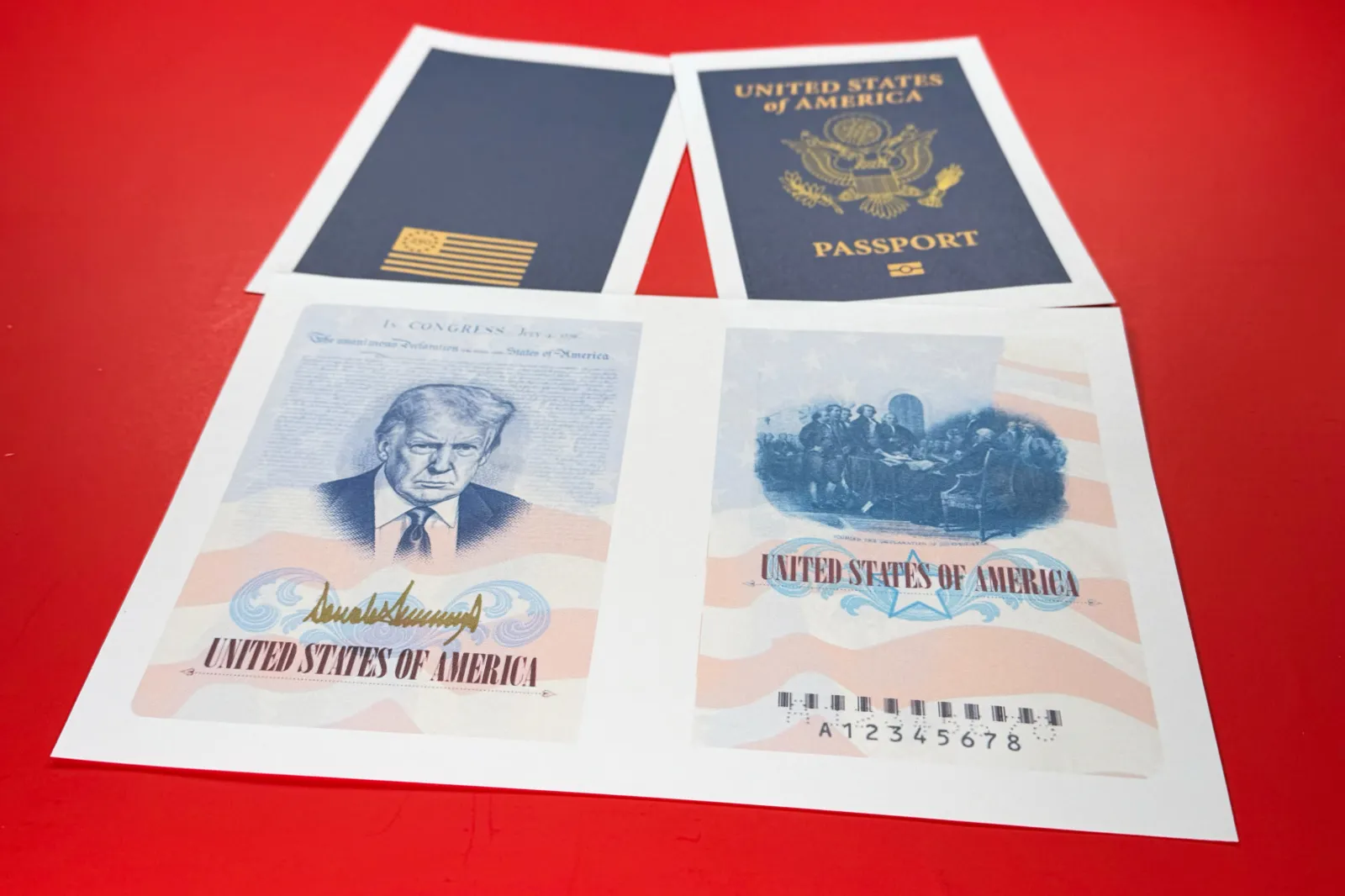
Counts peaked at 6,705 in 2020 and stayed high. Some told Newsweek they left over Trump's return, not just money. Lawyers now coach clients on beating consulate waiting lists.
“Given the state of the country now and the political situation... I decided to pull the trigger and finally give it up.”
The fee dropped 80 percent
Renouncing was free before 2010, then cost $450, then $2,350 from 2015, among the highest fees in the world. On April 13 it fell back to $450, and the recent spike followed.
The exit has teeth
You renounce in person at an embassy: forms, State Department review, interviews, an oath. The department warns you could end up stateless, or barred from reentry if it decides you left to dodge taxes.
The main idea
Most Americans who hand back the passport are not fleeing the country, they are fleeing a tax system that follows them everywhere, and it just got a lot cheaper to leave.