From PCMAG · Jim Fisher · · 3m
iPhone 18 Pro's secret weapon against fake photos
Apple's Reference Image embeds originals into every shot to expose AI fakes and edits.
In brief
Apple's Reference Image embeds originals into every shot to expose AI fakes and edits. Reference Image stores an unedited copy of every photo taken on iPhone 18 Pro's main lens, letting anyone see exactly what was changed and catching AI-generated images. Originally reported by PCMAG.
Fake photos are everywhere now
AI-generated and manipulated images flood social media feeds. Generative AI has gotten so good that it can create convincing photos from nothing, making it hard to spot fakes.
The photo industry created C2PA
The C2PA standard digitally signs photos at capture and tracks edits. Adobe, Canon, Leica, Nikon, and Sony have adopted it to verify image authenticity.
Apple built its own solution
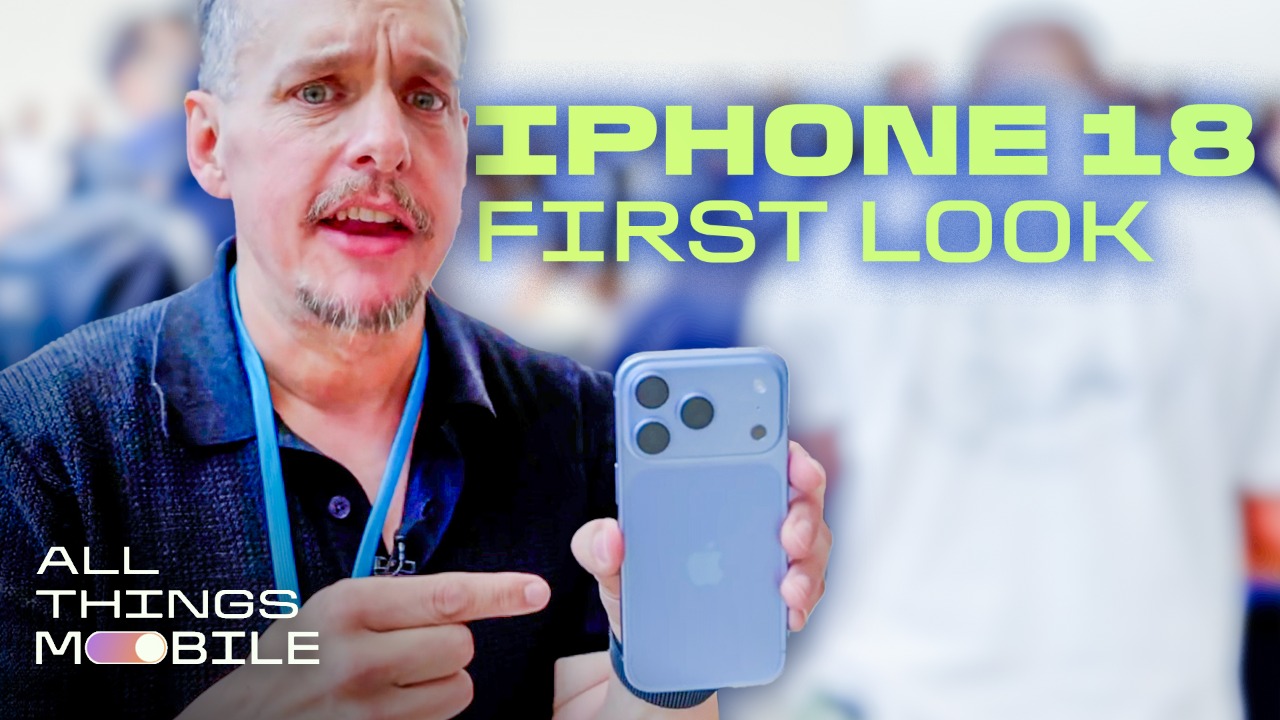
Instead of using C2PA, Apple created Reference Image, a proprietary feature exclusive to iPhone 18 Pro and Pro Max that embeds an unedited original into every photo.
What Reference Image actually does
It stores an unedited version of your photo inside the file. Anyone with an iPhone, iPad, or Mac can compare the original to see exactly what edits were made.
It only works on the main lens
Reference Image is limited to the main 1x 24mm lens because it encrypts the original at the sensor level. The other lenses haven't been redesigned to support it yet.
You have to turn it on manually

Reference Image is disabled by default. You need to go into Settings and enable it if you want to use the feature.
It works with all your editing tools
Reference Image supports Portrait mode, Photographic Styles, Apple ProRaw, and computational features. You can still edit photos normally in the Photos app.
Currently Apple devices only
You can only view Reference Images on iPhones, iPads, and Macs right now. Apple plans to expand support to Windows and web apps through developer tools.
We're living in a post-truth world
AI can now create photos indistinguishable from real ones. Tools that show if and how photos have been manipulated are essential for verifying what actually happened.
Photography was never objective
Photographers make subjective choices about framing, lighting, and angles that shape the narrative. But traditional photos still capture what the lens saw, unlike AI-generated images.
Journalism has editing standards
Adjusting exposure, opening shadows, or changing white balance are acceptable edits in photojournalism. But generative AI creates images from nothing, which crosses the line.
Reference Image is harder to spoof
Apple's sensor-level encryption is more secure than software-based signing. Researchers have spoofed C2PA on some cameras, but Reference Image's approach is much harder to crack.
It can work with C2PA too
You can take a signed ProRaw image into Adobe Lightroom or Photoshop, edit it, and export with Content Credentials. Viewers see your edits, and you keep the original Reference Image.
Apple ignored the industry standard
Apple bucked C2PA despite adoption by Adobe, Leica, Sony, Canon, and Nikon. It's also disappointing that Reference Image is opt-in and limited to one lens.
The concept is sound and timely
Despite Apple's proprietary approach, Reference Image addresses a real need. With AI-generated images proliferating, tools that verify photo provenance are essential.
The one thing
Reference Image stores an unedited copy of every photo taken on iPhone 18 Pro's main lens, letting anyone see exactly what was changed and catching AI-generated images.