From PCMAG · Jon Martindale · · 2m
Solar's price crash is breaking the power grid
Cheap panels are forcing businesses to go solar, but utility companies and aging grids are struggling to keep up.
In brief
Cheap panels are forcing businesses to go solar, but utility companies and aging grids are struggling to keep up. Solar panels have become so affordable that businesses now need them to compete, but this is straining electrical grids and threatening utility company profits. Originally reported by PCMAG.
Quick answers
- Who pays for grid upkeep?
- As more people go off-grid, questions arise about who should fund infrastructure maintenance. Raising prices on remaining customers risks punishing those who cannot afford or physically fit solar panels.
- What is the key takeaway from Solar's price crash is breaking the power grid?
- Solar panels have become so affordable that businesses now need them to compete, but this is straining electrical grids and threatening utility company profits.
Solar just got absurdly cheap
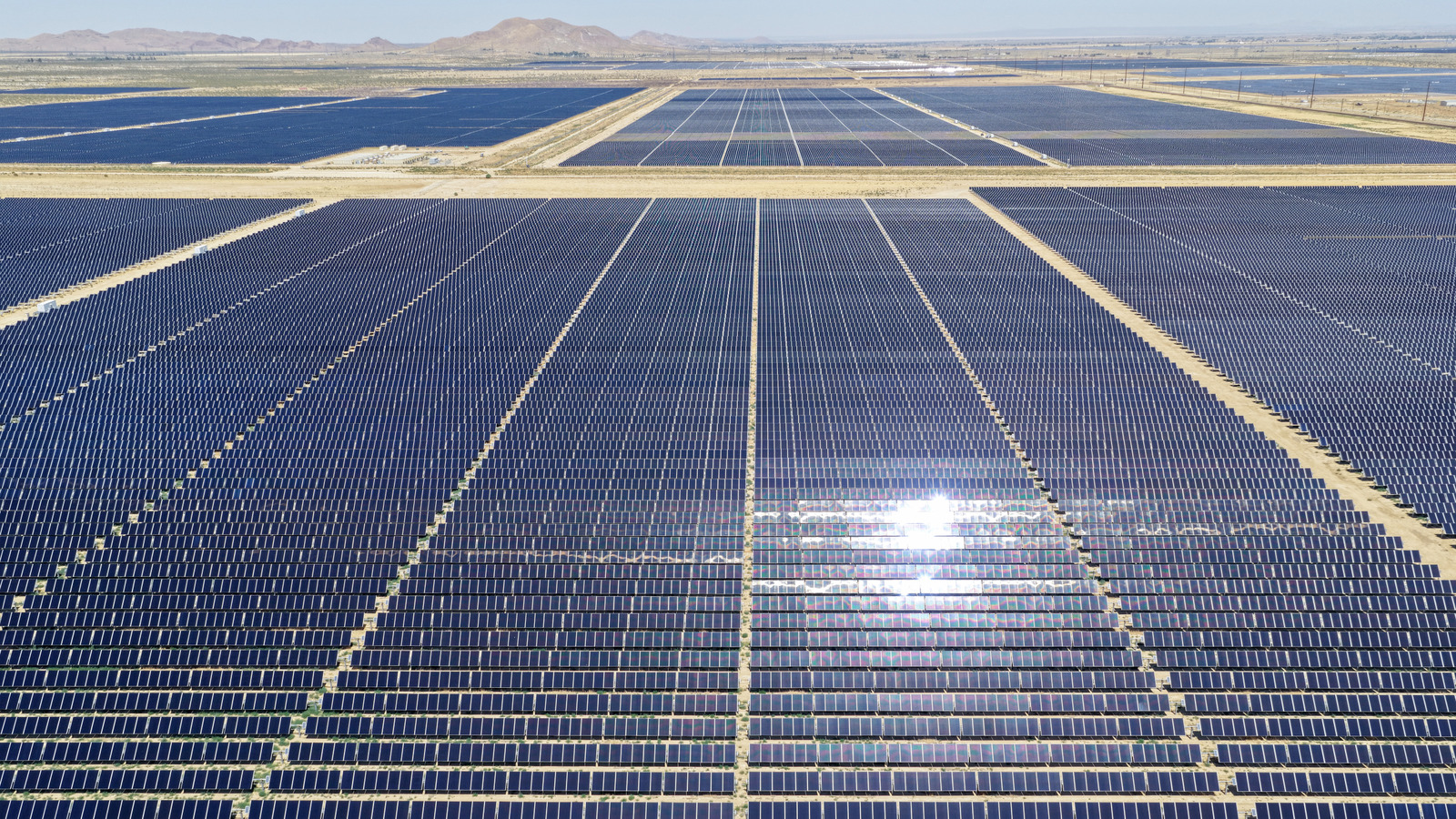
Solar panel costs have plummeted from $5 per watt in 2000 to $0.12 per watt today, driven almost entirely by China's massive production of 1.36 terawatts annually.
Businesses now need solar to survive
Companies like a cement producer in Northern Pakistan must adopt solar to compete with rivals already using it, since lower energy costs make them more price-competitive regardless of fuel price swings.
Africa is going solar fast

African countries are expected to bring online over 17 gigawatts of solar power in 2026, replacing carbon-generating sources like kerosene lamps and charcoal cooking fires.
Plug-in solar is spreading
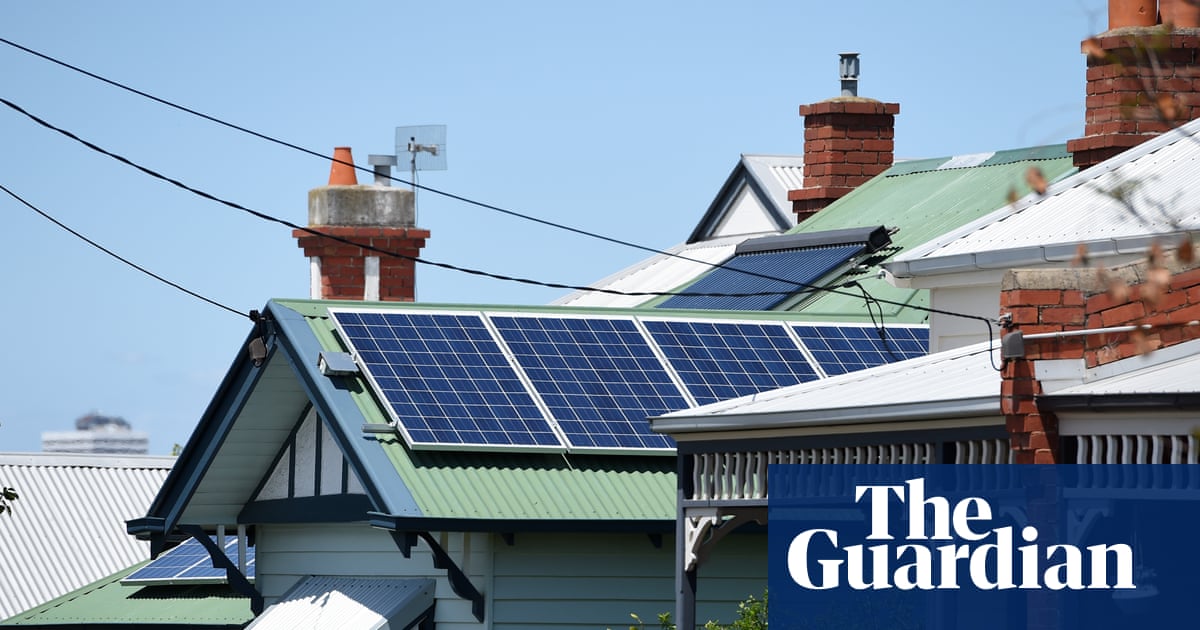
The UK recently legalized plug-in solar systems that can be installed on balconies and small spaces, allowing faster adoption despite some US government restrictions on solar rollout.
Utilities are losing money fast
As homes and businesses switch to solar, utility companies face shrinking profits and unpredictable demand, especially on cloudy days when millions suddenly need grid power.
Grids are buckling under strain
Power grids designed for one-way transmission cannot handle the explosion of distributed solar generation. Day-long blackouts in Spain and Portugal in 2025 were linked to grids not adapted for this capacity.
Who pays for grid upkeep?
As more people go off-grid, questions arise about who should fund infrastructure maintenance. Raising prices on remaining customers risks punishing those who cannot afford or physically fit solar panels.
AI could help manage the chaos
Smart forecasting using weather patterns and artificial intelligence could help grids respond better to the influx of solar energy and manage loads more efficiently.
Solar's future is locked in
Despite near-term costs of redesigning power grids, solar adoption will continue as global fuel price uncertainty pushes people toward stable, affordable power.
The key point
Solar panels have become so affordable that businesses now need them to compete, but this is straining electrical grids and threatening utility company profits.