From PhillyVoice · · 3m
Cancer deaths fall, but young people face rising risk
U.S. cancer mortality is declining thanks to medical breakthroughs, but early-onset diagnoses among adults under 50 are climbing, especially in women.
In brief
U.S. cancer mortality is declining thanks to medical breakthroughs, but early-onset diagnoses among adults under 50 are climbing, especially in women. While overall cancer deaths have dropped significantly, young adults face a growing cancer risk for reasons that remain unclear, suggesting a need for targeted…
Cancer deaths are falling nationwide
Nearly 5 million cancer deaths were averted between 1991 and 2024, driven by advances in immunotherapy, liquid biopsy, and other breakthroughs.
“Cancer mortality continues to decline nationwide, with nearly 5 million cancer deaths averted between 1991 and 2024.”
But new diagnoses keep rising
More than 2 million Americans will be diagnosed with cancer this year, expected to reach 2.5 million by 2050.
Young adults face rising cancer rates
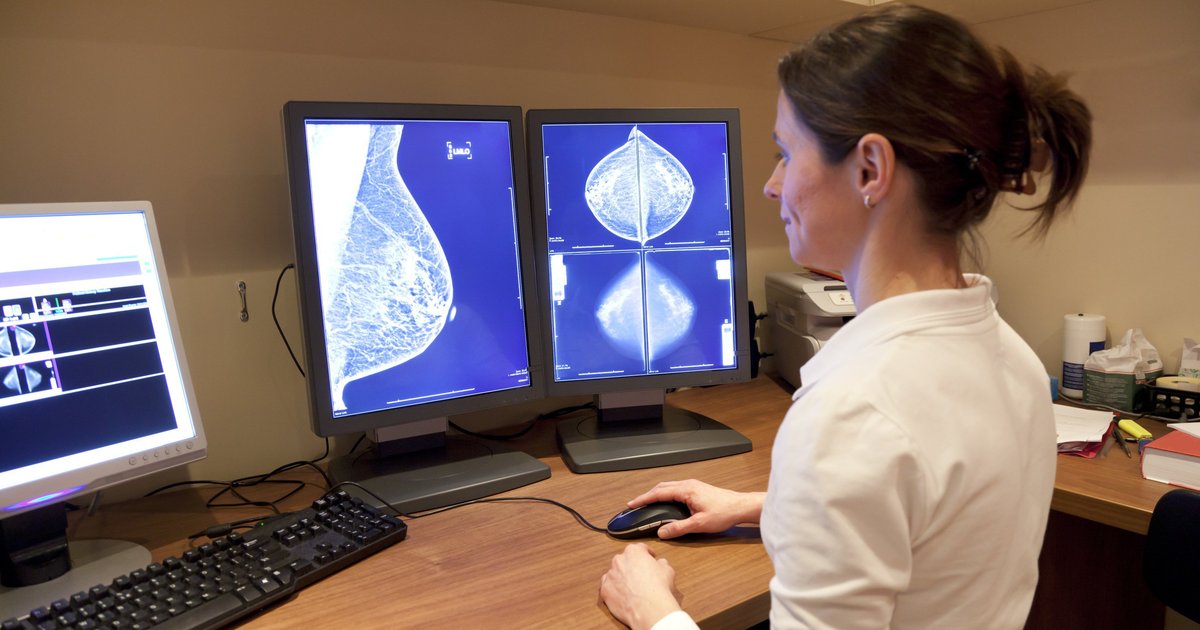
Early-onset cancers among adults ages 18 to 49 are rising, especially among women, according to the American Association for Cancer Research's 2026 report.
Fourteen cancer types are increasing
U.S. cancer incidence rates among people 15 to 49 increased for 14 types of cancer between 1990 and 2019, including pancreatic, colon, and breast cancer.
Women's cancer risk has widened
The rate of diagnoses was 78% higher in women ages 15 to 49 in 2023, compared to 55% higher two decades earlier.
Global trend shows 80% increase
Globally, the number of cancer diagnoses in people under 50 increased 80% between 1990 and 2019.
Reasons for the rise remain unclear
Why early-onset cancers are increasing is unknown, though emerging research suggests chronic psychological stress, climate change, and environmental contaminants may play a role.
One woman's cancer journey
Carolyn Searles of Wallingford was diagnosed with aggressive triple-negative breast cancer at 36, despite having a preventative double mastectomy in 2021 due to a BRCA1 mutation.
She beat cancer while pregnant
Searles was pregnant with her second child when diagnosed, but received chemotherapy, delivered a healthy son, and continued treatment through immunotherapy and surgery.
New technologies are transforming care
Emerging treatments include histotripsy, which uses high-frequency sound waves to destroy tumors without damaging nearby tissue, and molecularly targeted therapies that aim directly at cancer's cellular drivers.
FDA approved 200 new treatments
The Food and Drug Administration approved nearly 200 new cancer treatments between 2019 and 2024, expanding options for patients.
“The Food and Drug Administration approved nearly 200 new cancer treatments between 2019 and 2024.”
Congress must fund cancer research
Congress needs to grant $51 billion for the National Institutes of Health, including at least $8 billion for the National Cancer Institute, to continue advancing cancer research.
Trump administration delayed cancer funds
The Trump administration prevented appropriated cancer research funds from being awarded in a timely manner, creating delays and uncertainty for researchers.
“the Trump administration "has prevented appropriated funds from being awarded in a timely and predictable manner and administered without unnecessary delay or interference."”
At a glance
While overall cancer deaths have dropped significantly, young adults face a growing cancer risk for reasons that remain unclear, suggesting a need for targeted prevention research.