From PhillyVoice · · 3m
Check Measles Vaccination Status
How to find out if you're vaccinated against measles.
In brief
How to find out if you're vaccinated against measles. People can check vaccination status through healthcare providers or blood tests for measles antibodies. Originally reported by PhillyVoice.
Measles Vaccination Check
People who are unsure about their measles vaccination status can consult a healthcare provider to determine if they need a blood test for antibodies.
“People who are unable to determine their vaccination history can consult with a healthcare provider to determine if they should get a blood draw to test for antibodies.”
Measles Death in Pennsylvania
Pennsylvania health officials reported the death of an unvaccinated Lancaster County man who tested positive for measles, marking the fifth measles-associated death in the state this year.
“Pennsylvania health officials Wednesday reported the death of an unvaccinated, Lancaster County man who tested positive for measles.”
Measles Cases in Pennsylvania
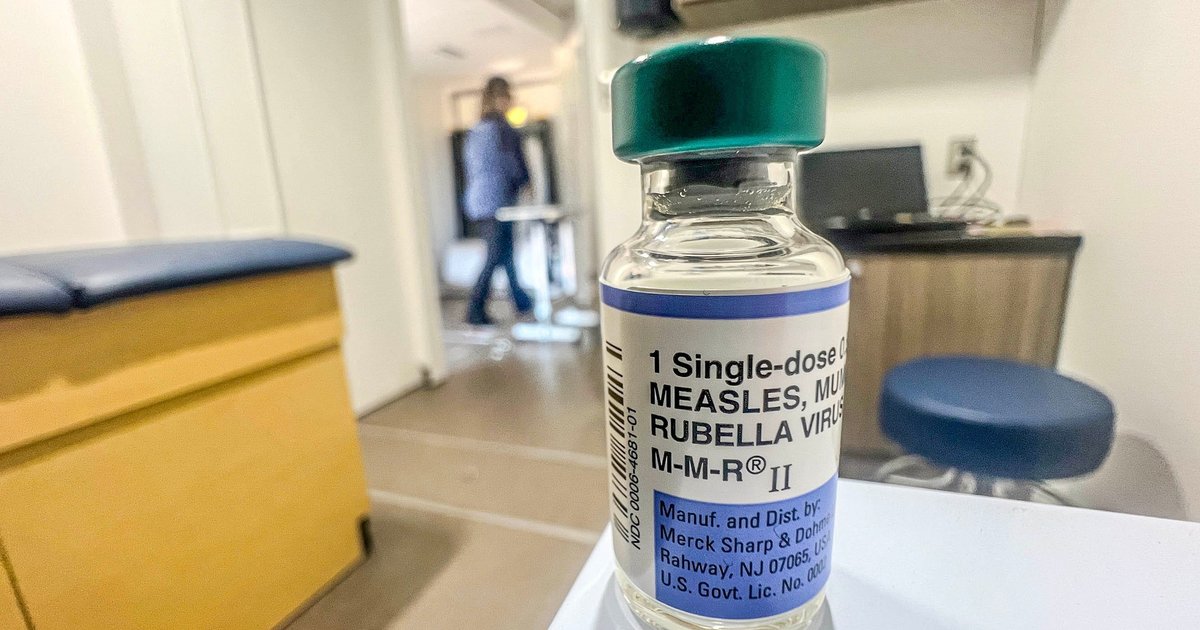
The total reported measles cases across Pennsylvania stand at 943, the largest outbreak in 35 years, with 40 new cases since Monday.
“The total reported measles cases across the state stands at 943, the largest outbreak in 35 years.”
Measles Immunity Timeline
People born before 1957 are generally considered immune to measles because no vaccine existed at that time, and nearly everyone contracted the disease by age 15.
“Dr. Eric Sachinwalla, an infectious disease specialist at Jefferson Health, explained that people who were born before 1957 are generally considered immune.”
Measles Vaccine History
Measles vaccines were introduced in the 1960s, with the first inactivated vaccine in 1963 and the live version in 1968, followed by the MMR combination vaccine in 1971.
“The combination MMR vaccine against measles, mumps and rubella was introduced in 1971 and refined in 1979.”
Vaccination Records
Healthcare providers in Pennsylvania and New Jersey are legally required to keep vaccination records for at least seven years before destroying them.
“Healthcare providers in Pennsylvania and New Jersey are legally required to keep records for at least seven years before destroying them.”
State Vaccination Registries
Pennsylvania has a state vaccination registry that dates back to 2000, but healthcare providers are not required to submit information to it.
“Pennsylvania also has a state vaccination registry, the Pennsylvania Immunization Electronic Registry System, but it only dates back to 2000, and healthcare providers are not required to submit information.”
Blood Test for Immunity
People who are unable to determine their vaccination history should talk to a healthcare provider and may decide to get a blood test called a titer to check for measles antibodies.
“People who are unable to determine their vaccination history should talk to a healthcare provider and may decide to get a blood test called a titer to check for measles antibodies.”
Titer Test Results
If you have antibodies, you're done, you're immune and don't need any more doses of the measles vaccine.
Vaccination Status
People who have documented proof of having had two doses of vaccine do not need a titer test, as their immune system may still provide protection.
“People who have documented proof of having had two doses of vaccine, however, do not need a titer, which only tests for antibodies in the blood.”
Measles Outbreak Guidelines
During the current measles outbreak, health officials recommend a zero dose for infants between 6 to 11 months, followed by two regular doses.
“During the current outbreaks, the Children's Hospital of Philadelphia and the Pennsylvania Department of Health recommend that babies get what is called a "zero dose" of the vaccine, an early dose for infants between 6 to 11 months, that gives protection now.”
Accelerated Vaccination Schedule
Children older than 1 who have not started their MMR series should get two doses at least 28 days apart, with a second dose for those who had one dose.
“Children older than 1 who have not started their MMR series should get two doses at least 28 days apart.”
Vaccination for Adults
Adults and teens who never had measles or the measles vaccine should get two doses at least 28 days apart, with a second dose for those who received one dose.
“Adults and teens who never had measles or the measles vaccine should get two doses at least 28 days apart.”
Special Cases
People who are pregnant, have severely weakened immune systems, or have a history of severe allergic reactions to the MMR vaccine should consult a healthcare provider.
“People who are pregnant, have severely weakened immune systems or have a history of severe allergic reactions to the MMR vaccine are advised to talk to a healthcare provider, according to the Pennsylvania health department.”
The big picture
People can check vaccination status through healthcare providers or blood tests for measles antibodies.