From PhillyVoice · · 3m
How WWII internment shaped American design
A new Barnes Foundation exhibit reveals how Japanese American artists transformed their wartime imprisonment into influential mid-century modern work.
In brief
A new Barnes Foundation exhibit reveals how Japanese American artists transformed their wartime imprisonment into influential mid-century modern work. Six Japanese American designers and artists who were incarcerated during WWII went on to define the look of postwar American design, from furniture to album covers to…
120,000 Japanese Americans locked up
After Pearl Harbor, the U.S. government imprisoned over 120,000 Japanese Americans in internment camps across the West Coast and Midwest, forcing them from their homes and isolating them from society.
New exhibit opens at the Barnes
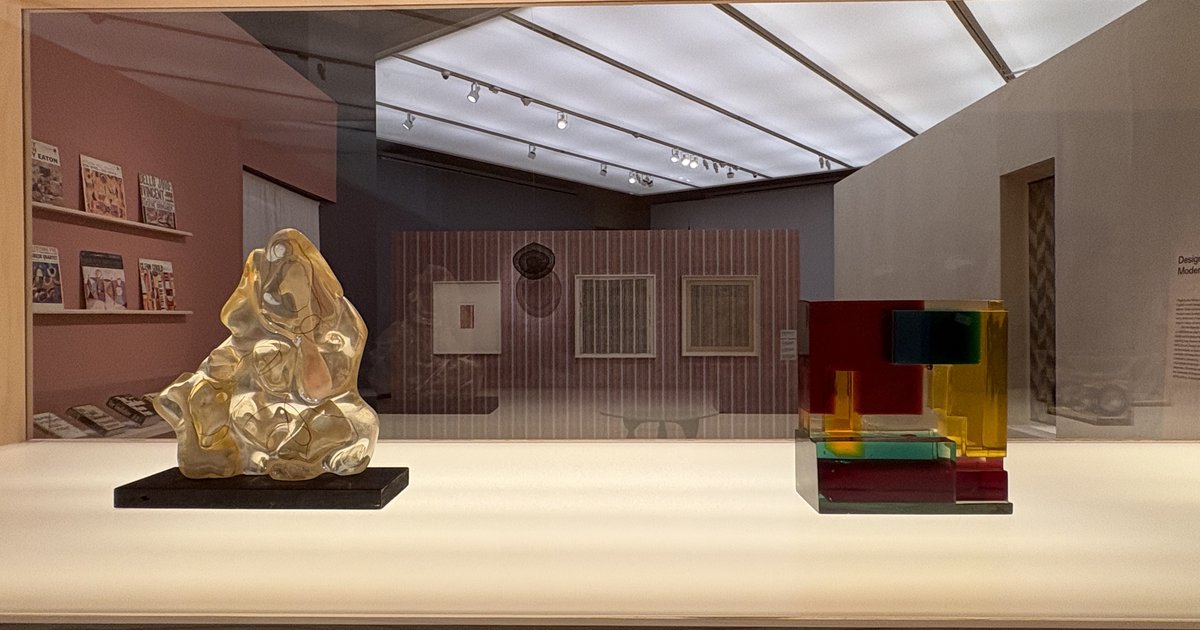
The Barnes Foundation's 'Noguchi to Asawa: Designing Postwar America' opens Sunday and features roughly 80 objects from six artists incarcerated at camps or working for the military during the war.
Three established designers before internment
George Nakashima, Isamu Noguchi, and Leo Amino had careers before 1942. Noguchi voluntarily entered Poston camp in Arizona to lead artistic programs, while Amino translated for the U.S. Navy.
Nakashima learned carpentry in camp
After release from Minidoka, Idaho, Nakashima moved to New Hope and created furniture emphasizing the natural beauty of wood, learning traditional Japanese carpentry from a fellow internee.
Amino switched from wood to plastic
Leo Amino abandoned the wood he favored before the war and turned to plastics, materials developed during wartime, for his sculptures.
Mid-century modern pioneers
Nakashima and Noguchi both crafted pieces for Herman Miller and Knoll, becoming key figures in the emerging mid-century modern movement.
Three artists developed craft in camps
S. Neil Fujita, Ruth Asawa, and Kay Sekimachi were teenagers when incarcerated. They took classes from professional artists interned with them and developed their artistic practices inside the camps.
Asawa's looped wire sculptures
Ruth Asawa created intricate hanging sculptures from looped and coiled wires, frequently cutting her fingers as she bent them into designs. The repetitive labor gave her control when her life had been taken away.
“There is actually a sense that repetitive, compulsive labor was a way of exerting control when your life has been completely taken out of your hands.”
Sekimachi's monofilament weaving
Kay Sekimachi created sculptures from industrial materials like nylon monofilament, the fibers used in fishing lines. It took her an hour to weave a single inch of the layered material.
Fujita designed The Godfather logo
S. Neil Fujita became an influential art director and designer, creating album covers for Columbia Records and the iconic logotype for The Godfather novel and film.
Fujita defined American jazz design
Fujita designed album covers for artists like the Dave Brubeck Quartet and packaging for General Mills, defining the visual look of mid-century American jazz and popular culture.
Fujita's legacy largely forgotten
Despite his massive influence on American design and popular culture, S. Neil Fujita has largely disappeared from art history. The exhibit aims to restore recognition of these overlooked artists.
“Everybody knows 'The Godfather.' Nobody knows Fujita.”
Asian American history woven into America
The Barnes Foundation executive director said the exhibition makes clear that Asian American history is not separate from the American story, but woven into the very objects that furnished people's homes.
“Asian American history is not separate from the American story, but woven into it, into the very objects that furnished people's homes.”
The main idea
Six Japanese American designers and artists who were incarcerated during WWII went on to define the look of postwar American design, from furniture to album covers to The Godfather's iconic logo.