From PhillyVoice · · 1m 40s
SEPTA's Accelerate Plan Shows What Funding Could Build
SEPTA's new funding pitch outlines transit upgrades without doomsday scenarios
In brief
SEPTA's new funding pitch outlines transit upgrades without doomsday scenarios SEPTA's 'Accelerate' plan promises more frequent service, station improvements, and accessible transit by 2050 with no price tag Originally reported by PhillyVoice.
SEPTA reveals new vision
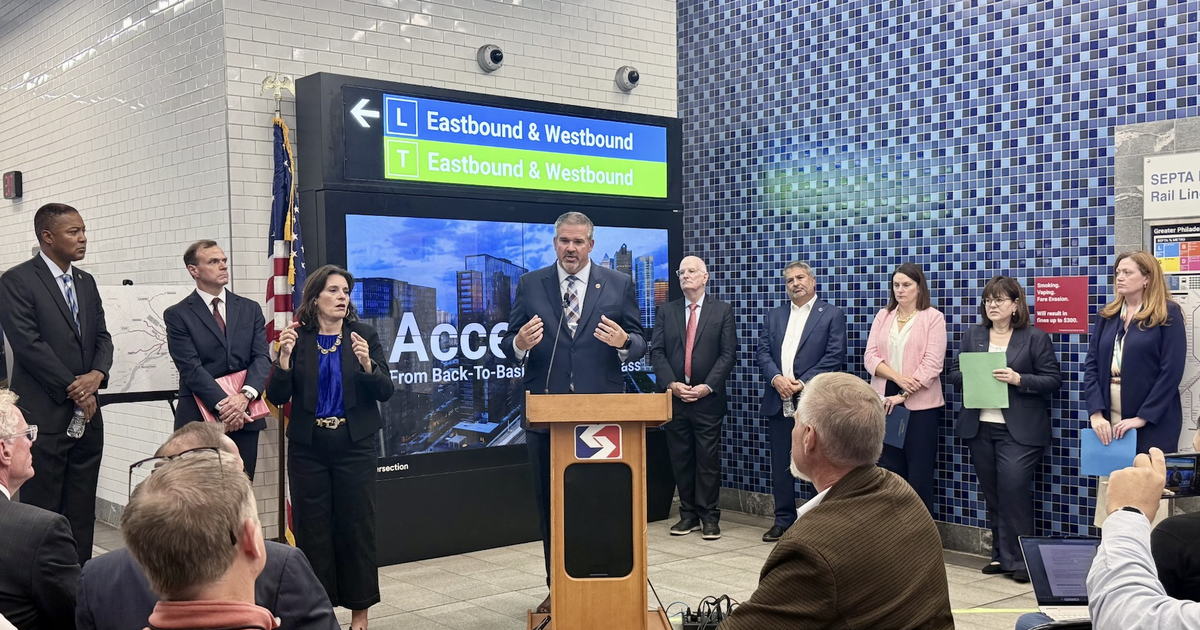
SEPTA General Manager Scott Sauer presented the 'Accelerate' plan showing potential with more frequent Regional Rail service, station improvements, and new subway cars.
“What we're putting forward here is what we've been asked to do by a lot of folks: 'Outline for us what that investment is going to get us'”
Accelerate plan details
The plan includes a Regional Rail Master Plan for 2050 with a new 'S Tier' service arriving every 15 minutes or sooner on key lines.
Trolley upgrades
SEPTA will replace 40-year-old trolley fleet with wider doors and more spacious interiors by 2029.
Bus network expansion
New bus routes and three 'SEPTA Go Zones' for on-demand suburban ride-share service will be added.
Accessibility improvements
Over 2 million people would live within a quarter mile of frequent transit, up from 900,000 today.
Funding challenges
SEPTA faces a $192 million operating budget deficit and needs stable annual funding to avoid service cuts and fare hikes.
Current status
Some accessibility upgrades at Center City trolley stations and 11th Street Station are already underway.
Funding request
SEPTA requested $400 million in capital funding from Pennsylvania Department of Transportation to cover operational needs until 2027.
Future goals
SEPTA aims to have 100% of trips go through accessible stations by 2050, up from 60% today.
Timeline for change
SEPTA wants to implement the plan in 10 years, but needs stable funding to reach its goals.
Funding gap
SEPTA's current funding request is a 'Band-Aid' solution for a $192 million deficit until 2027.
What to remember
SEPTA's 'Accelerate' plan promises more frequent service, station improvements, and accessible transit by 2050 with no price tag