From PhillyVoice · · 1m 50s
Why 400 paintings now line the El in Kensington
More than 500 Kensington residents painted the steel plates under the Market-Frankford Line, turning a grim stretch into a gallery.
In brief
More than 500 Kensington residents painted the steel plates under the Market-Frankford Line, turning a grim stretch into a gallery. Beautification stuck because neighbors made the art themselves, and the program paid people same-day to do it. Originally reported by PhillyVoice.
A gallery under the tracks
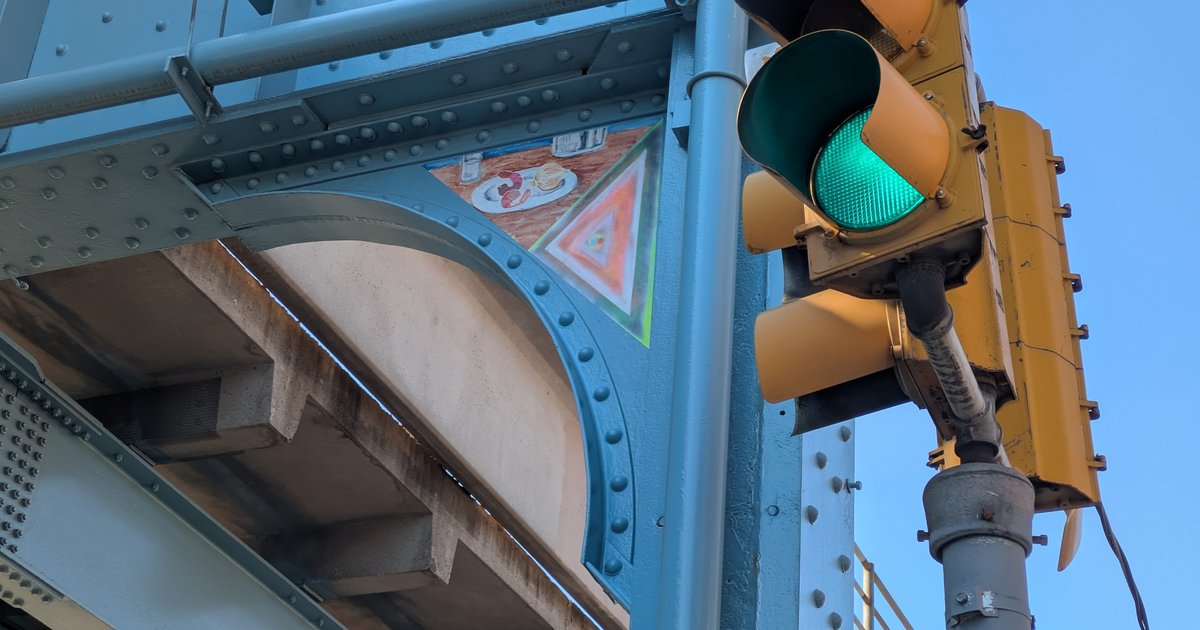
Florals, stars, mythical creatures and political statements now cover the underside of the Market-Frankford Line in Kensington. The stretch reads as an outdoor gallery instead of dead steel.
400 plates, 1.4 miles
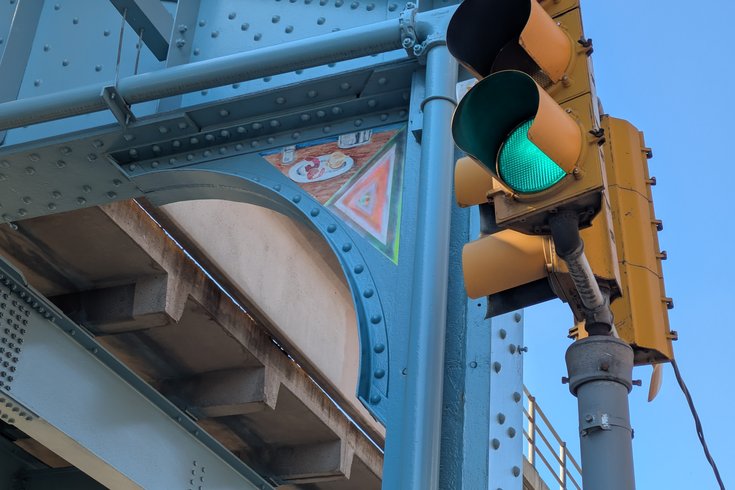
More than 400 triangular paintings run from the Huntington stop to Tioga along Kensington Avenue, a stretch of about 1.4 miles.
What a gusset plate is
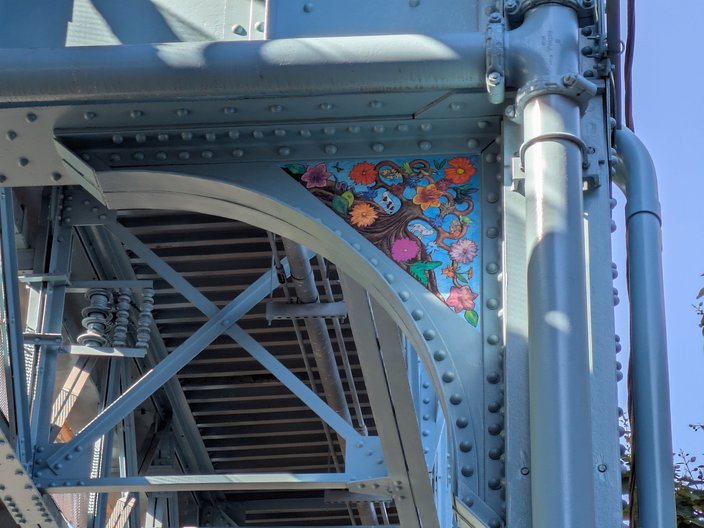
Gusset plates are the thick steel pieces joining the horizontal beams to the columns that carry the rails overhead. Their triangular shape set the format for every painting.
500 neighbors, 30 sessions
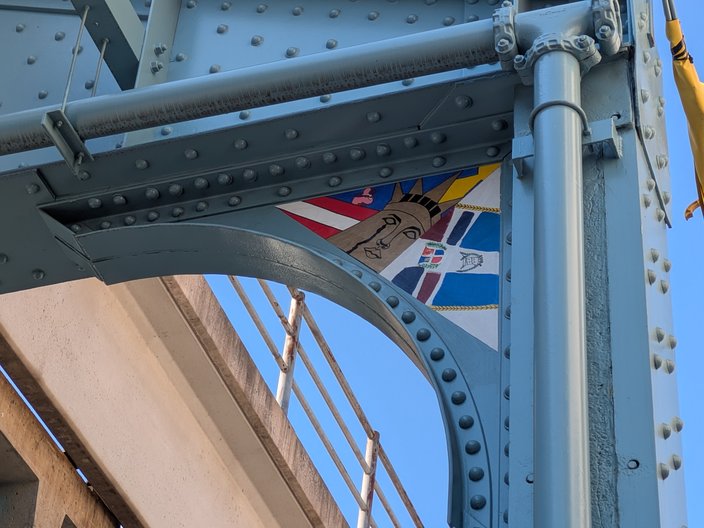
Over 30 painting sessions, more than 500 residents made the designs alongside Mural Arts Philadelphia, Councilmember Quetcy Lozada's office and the Impact Services nonprofit.
No two are alike
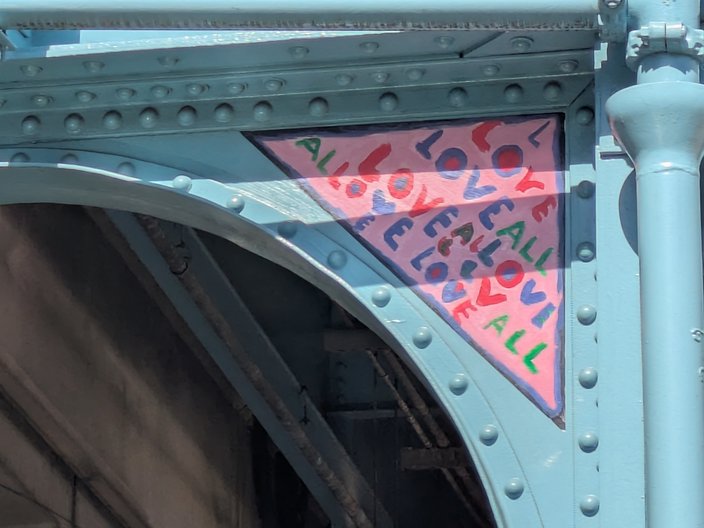
Designs range from nature motifs to constellations to scenes pulled from the neighborhood. Some are written text, some pure abstraction.
“Each gusset is a story of hope, each brushstroke is a window into the heart of a resident that calls this community home.”
Painters got paid that day
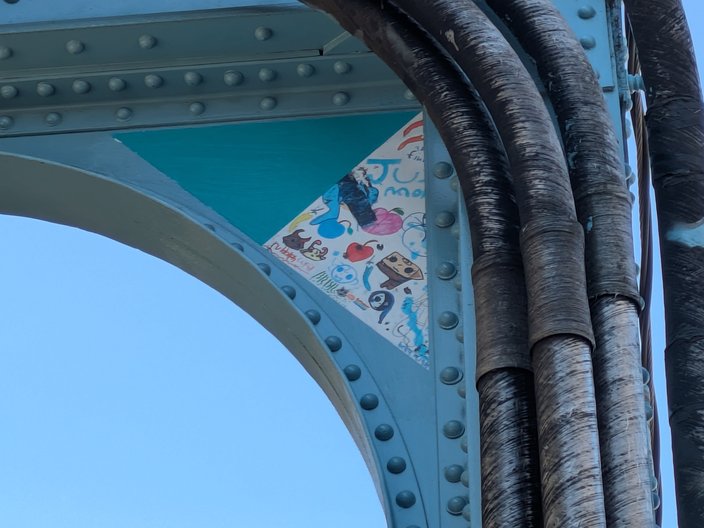
Mural Arts ran the Gusset Plate Project mainly through Color Me Back, which offers same-day work and pay to homeless and low-income residents.
Part of a bigger push
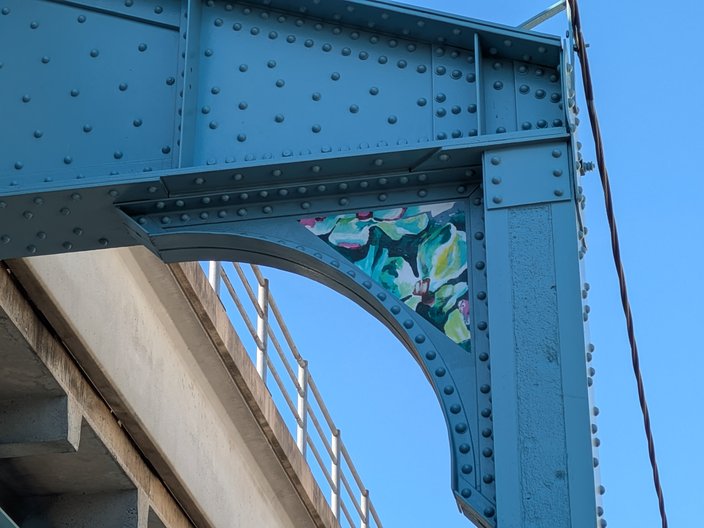
The plates belong to Heart of Kensington Creates, which also brings six large murals, six smaller ones and three new galleries to the neighborhood.
Affirmations on street signs
The same initiative includes Afromation Avenue, street sign installations carrying positive affirmations designed by Black artists.
Art that belongs to the block
Instead of one commissioned artist, hundreds of residents left a mark on a corridor they walk every day. Ownership is the point.
At a glance
Beautification stuck because neighbors made the art themselves, and the program paid people same-day to do it.


