From PolitiFact · Madison Czopek · · 3m
Ketamine: medical promise and recreational danger
The anesthetic drug approved for depression treatment is increasingly misused recreationally, raising safety concerns as its use spreads among college students.
In brief
The anesthetic drug approved for depression treatment is increasingly misused recreationally, raising safety concerns as its use spreads among college students. Ketamine, an FDA-approved anesthetic and depression treatment, is being used recreationally by college students despite serious health risks including…
What ketamine does to the body
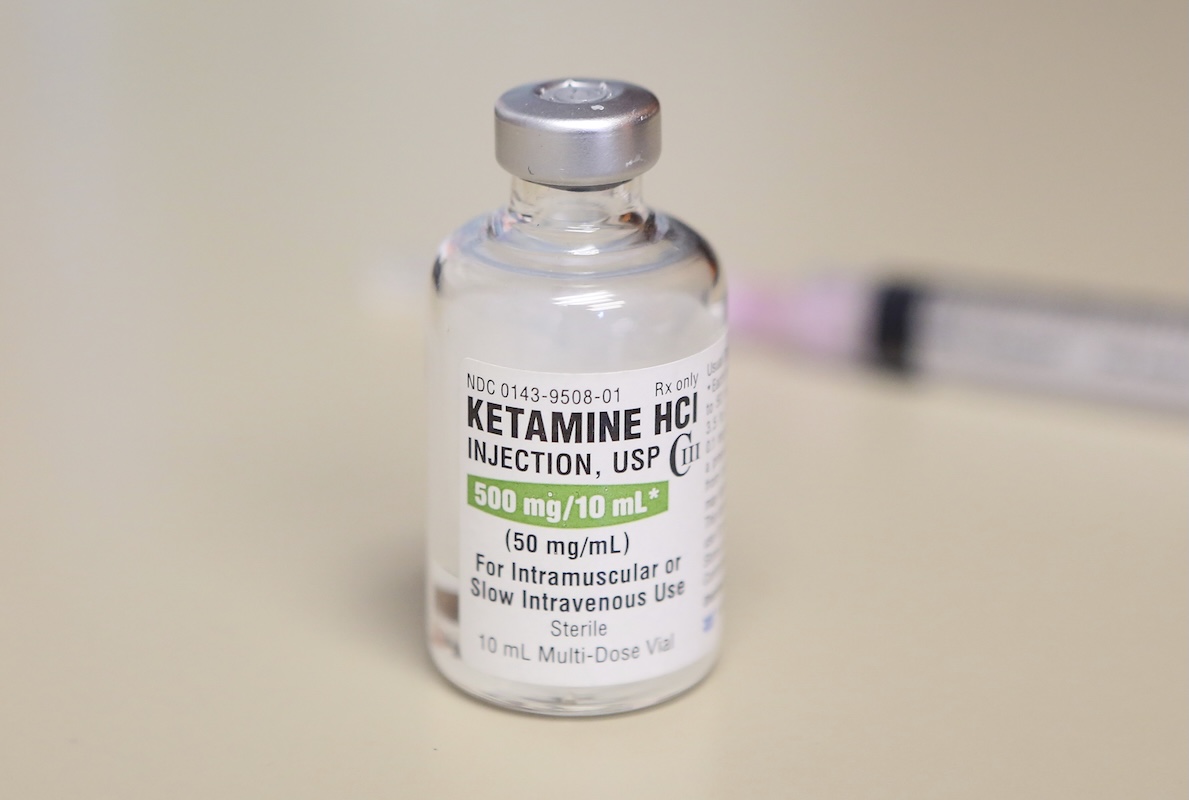
Ketamine is a dissociative drug that makes users feel detached from their body, pain and physical environment. It can cause hallucinations and sedation, and at high doses causes unconsciousness.
FDA approves ketamine for two purposes
The Food and Drug Administration approves ketamine for anesthesia before and during surgery. The FDA also approved esketamine, a ketamine derivative nasal spray, to treat depression in very controlled circumstances.
Legal status and street names
Under federal law, ketamine is classified a Schedule III drug, meaning it has moderate to low potential for dependence.Known as special K, key and K, it is illegal to possess or distribute for recreational use.
How ketamine is consumed recreationally
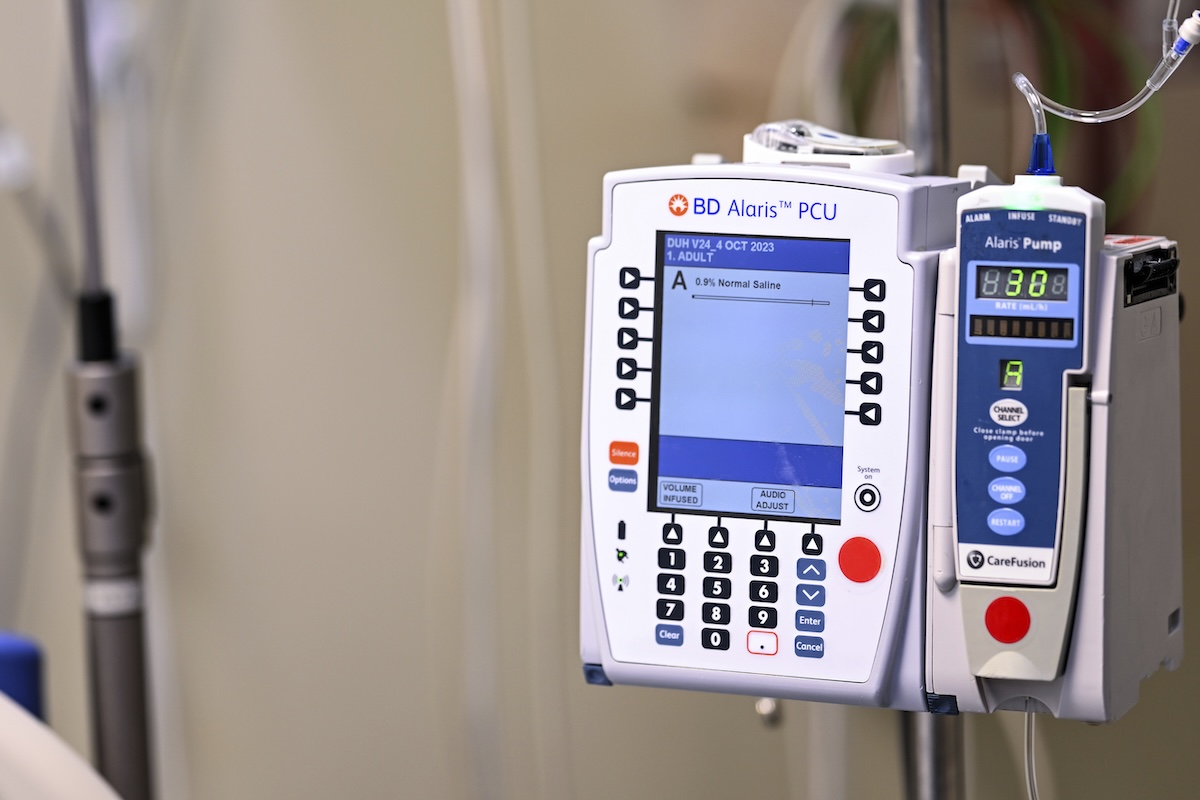
Liquid ketamine is injected, mixed into drinks or evaporated into crystals that are ground into powder and snorted or smoked. It has been used to facilitate sexual assault.
Why people use it recreationally
The drug is used recreationally because it can cause an out-of-body experience or produce hallucinations lasting about thirty minutes to a few hours. Some describe a dissociative state called a k-hole.
Clinical uses beyond surgery
Esketamine is used to manage depression unresponsive to other treatments and can offer rapid relief. Ketamine therapy refers to doctors prescribing low-dose ketamine infusions off-label for chronic pain, obsessive compulsive disorder and PTSD.
Immediate dangers of misuse
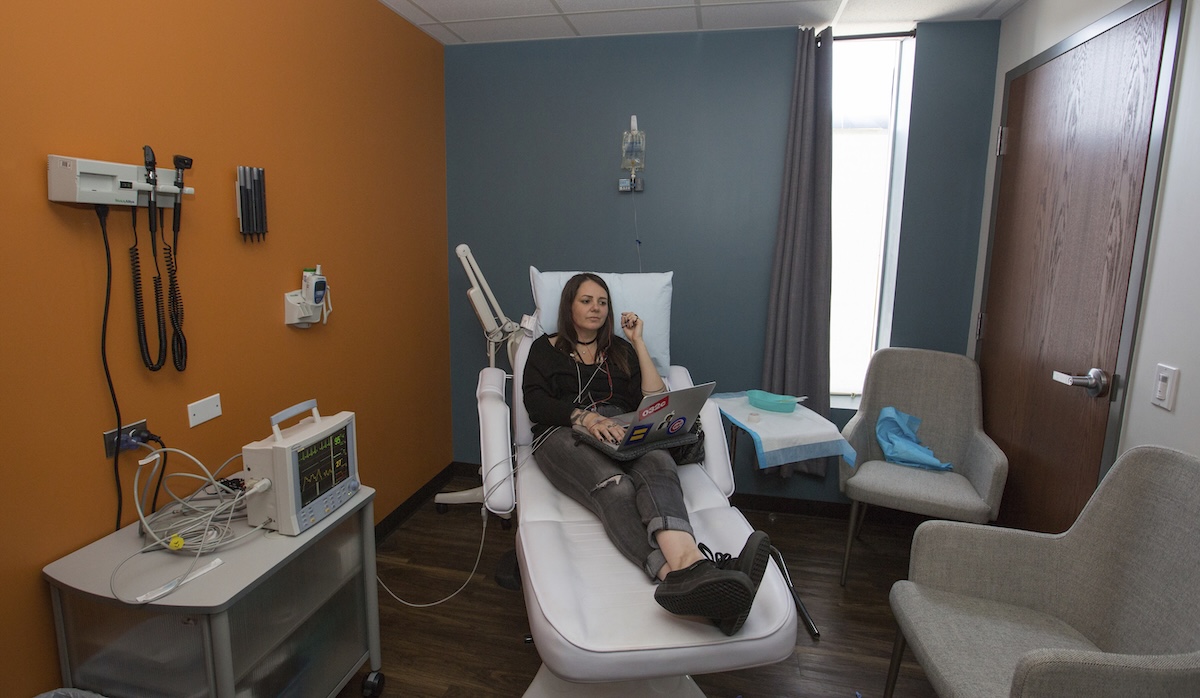
Ketamine can cause immobility, sedation, amnesia and distort sight and smell. Overdosing causes unconsciousness and dangerously slowed breathing. Side effects include headache, dizziness, nausea, blood pressure spikes and shortness of breath.
Long-term risks of abuse
Long-term ketamine abuse carries risks including poor memory and concentration, abnormal liver or kidney function and ketamine bladder syndrome, which involves weakened bladder, incontinence and bladder ulceration.
Addiction potential
People can develop an addiction to ketamine. The risk is higher for people who have a history of addiction to other substances.
Mixing ketamine with alcohol
Alcohol slows brain activity. Mixing alcohol with ketamine increases sedative effects of both drugs, raising risk of losing consciousness. At lower doses, nausea and vomiting occur. At higher doses, passing out and aspirating vomit increases.
Researcher warns of detachment
New York University ketamine researcher Joseph Palamar told The New York Times that even at relatively small doses, you are very detached from things and not as in touch with your emotions.
“Even on relatively small doses, you're very detached from things. You're not as in touch with your emotions.”
Recent high-profile cases
Ketamine was scrutinized for its role in Friends actor Matthew Perry's 2023 death.During the 2024 election, billionaire Elon Musk said he used ketamine to treat depression.
Rising recreational use among students
Recreational ketamine use is rising among college students as researchers explore clinical applications. The drug's dual profile as both a club drug and promising depression treatment has made it increasingly prominent in recent years.
The one thing
Ketamine, an FDA-approved anesthetic and depression treatment, is being used recreationally by college students despite serious health risks including addiction, unconsciousness and dangerously slowed breathing.