From PolitiFact · Amy Sherman · · 4m
Slow vote counts are normal, not fraud
Election results may take days or weeks to finalize. That's how the system works, and politicians should stop claiming otherwise.
In brief
Election results may take days or weeks to finalize. That's how the system works, and politicians should stop claiming otherwise. Incomplete results on election night are normal and legal. States have different laws governing vote counting timelines, and some races legitimately take days or weeks to decide. Originally…
Incomplete results are normal
Not knowing who won a midterm race on election night is routine. Waking to find a trailing candidate has pulled ahead overnight is also routine and expected.
Politicians spread false fraud claims
Elected leaders and candidates have falsely claimed that late-arriving ballot dumps or suitcases of ballots signal fraud, or that only Democratic cities take days to count.
Speed varies by state law

Some states like Florida count quickly. Others need more time. This reflects state law, not fraud. Ryan Macias, an election technology expert, says speed depends on how fast media can predict winners.
“States are neither fast or slow, they all count and certify the results in accordance with the laws passed by their state legislature.”
Voters can help speed things up
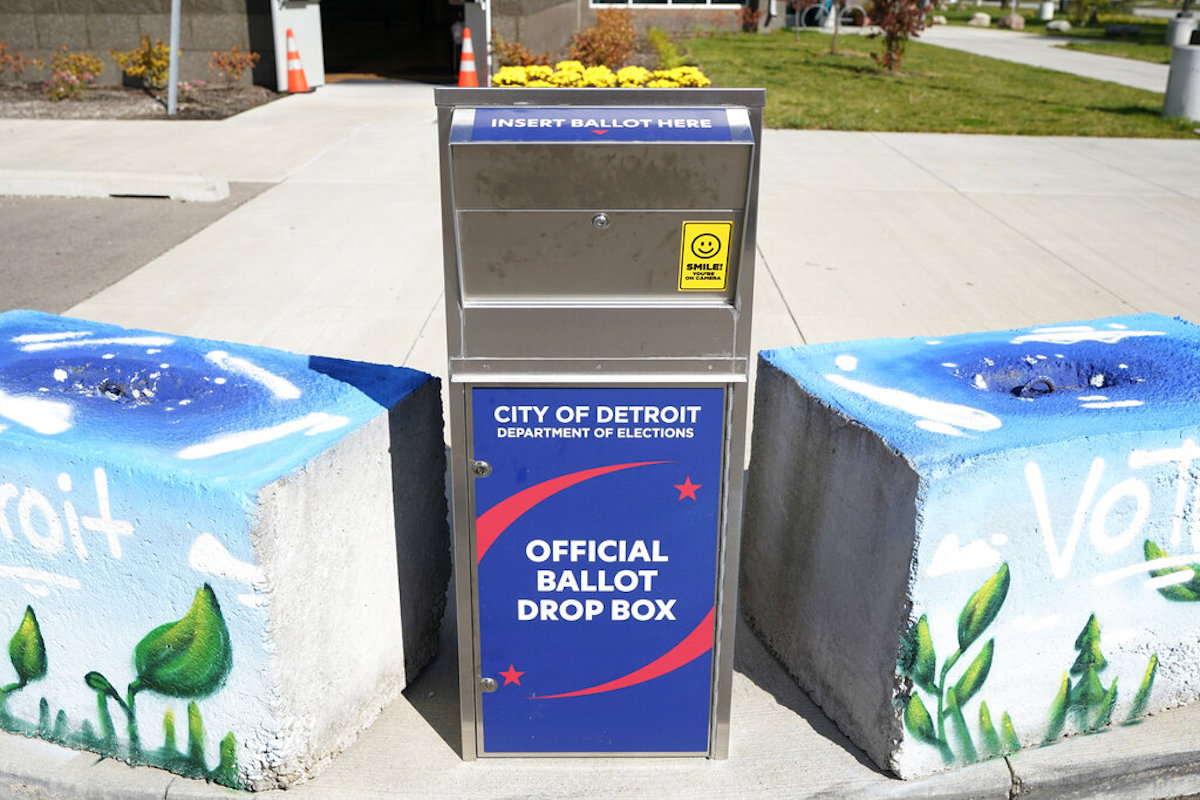
Mail-in voters should not wait until the last minute. Many election offices provide secure drop boxes. The U.S. Postal Service recommends mailing ballots at least one week before the deadline.
Close Senate races will take time
Joe Lenski, executive vice president of SSRS, says a handful of really close Senate and House races will not be decided for several days, or in Alaska and California, a week or two.
Senate control may hinge on delays
Control of the U.S. Senate could come down to a handful of close races with large numbers of ballots to count, meaning final results may take weeks to determine.
No state must finish on election night
No state is required to complete the official count on election night. State laws set deadlines to certify final results, often weeks later.
Competitive races across the country
Polls show many U.S. Senate races are competitive, including in Michigan, Maine, Iowa, Alaska, Kansas and Texas. Close counts may require days or weeks to project winners.
Early leads can reverse overnight
In twenty twenty, Donald Trump led by more than one hundred thousand votes in Wisconsin early in the night.The picture shifted after Milwaukee's central count finished processing mail-in votes around three thirty a.m.local time.
Mail ballots take time to process
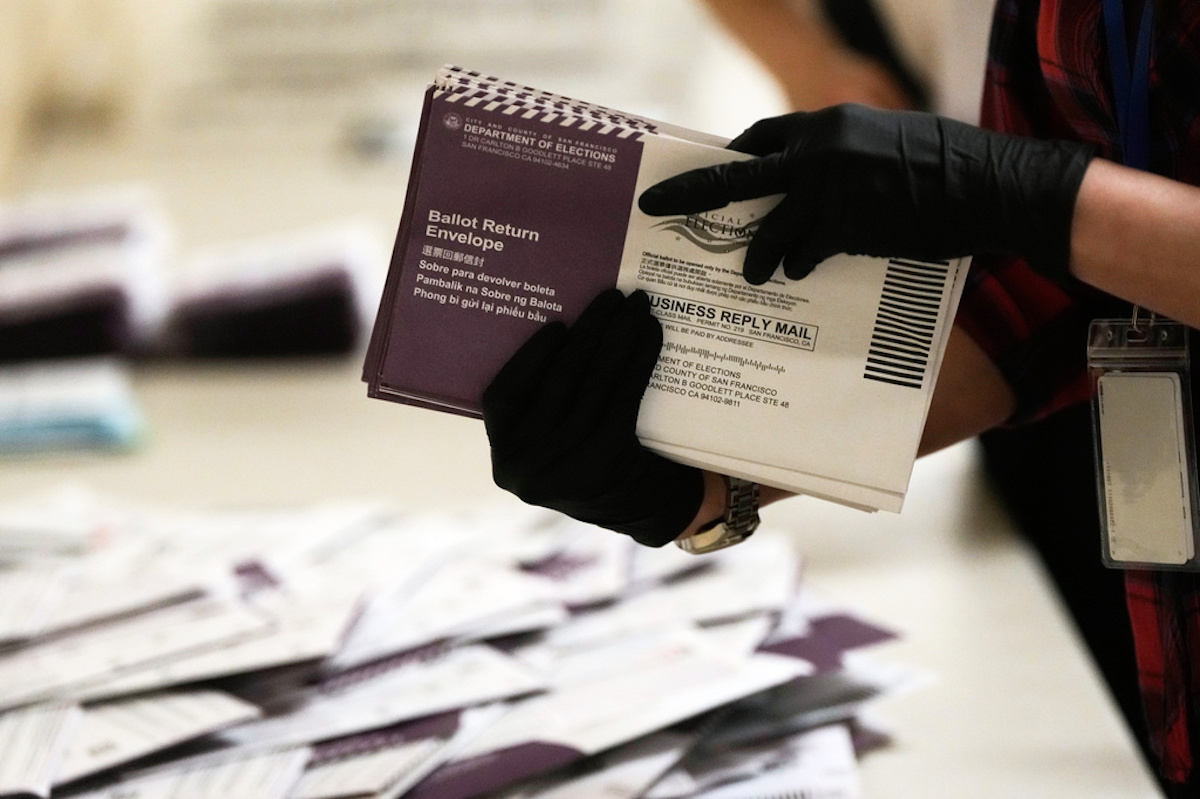
Processing mail ballots takes time. Election workers must verify voter identity by matching envelope signatures against registration records. Different states have different receipt deadlines.
California allows late-arriving ballots
California runs nearly all-mail elections and allows ballots postmarked by Election Day to arrive up to a week later. The U.S. Supreme Court upheld this right in June.
Detroit expects ninety-five percent on night
Detroit election officials predict they will report results for approximately ninety-five percent of ballots on election night. The variable is how many absentee ballots arrive by eight p.m., the Michigan deadline.
Detroit's collection and counting process
Detroit spans about one hundred forty square miles and has thirty-eight drop boxes. It takes a few hours after polls close for workers to collect ballots and bring them to Huntington Place for tabulation.
Maine and Alaska use ranked choice
Maine and Alaska, both with competitive Senate races, use ranked choice voting. If no candidate wins more than fifty percent of first choices, the lowest vote-getter is eliminated and votes are reallocated.
Alaska accepts ballots for fifteen days
Alaska accepts ballots mailed from outside the U.S. for fifteen days after Election Day and has a long history of close races taking that long to count. Four Senate candidates are on the ballot.
Maine will know ranked choice outcome
Maine Secretary of State Shenna Bellows said municipalities will report first-round results, then the state will know the next day or day after if ranked choice voting proceeds.
“We will work as expeditiously and efficiently as possible to get results as quickly as we can, but what is most important is that it is accurate and reflects the will of voters.”
Recounts can extend timelines further
Some close races could end in recounts completed days or weeks later. In twenty eighteen, three Florida statewide races were settled in recounts. A twenty twenty-four North Carolina Supreme Court race took about six months.
What it means
Incomplete results on election night are normal and legal. States have different laws governing vote counting timelines, and some races legitimately take days or weeks to decide.