From PolitiFact · Loreben Tuquero · · 4m
Trump renames AI to 'super intelligence'
President Trump ordered the government to stop using 'AI' and start using 'super intelligence,' but the term already means something different in the industry.
In brief
President Trump ordered the government to stop using 'AI' and start using 'super intelligence,' but the term already means something different in the industry. Trump ordered federal agencies to replace 'artificial intelligence' with 'super intelligence' in official communications, but the AI industry already uses…
Trump announces the name change

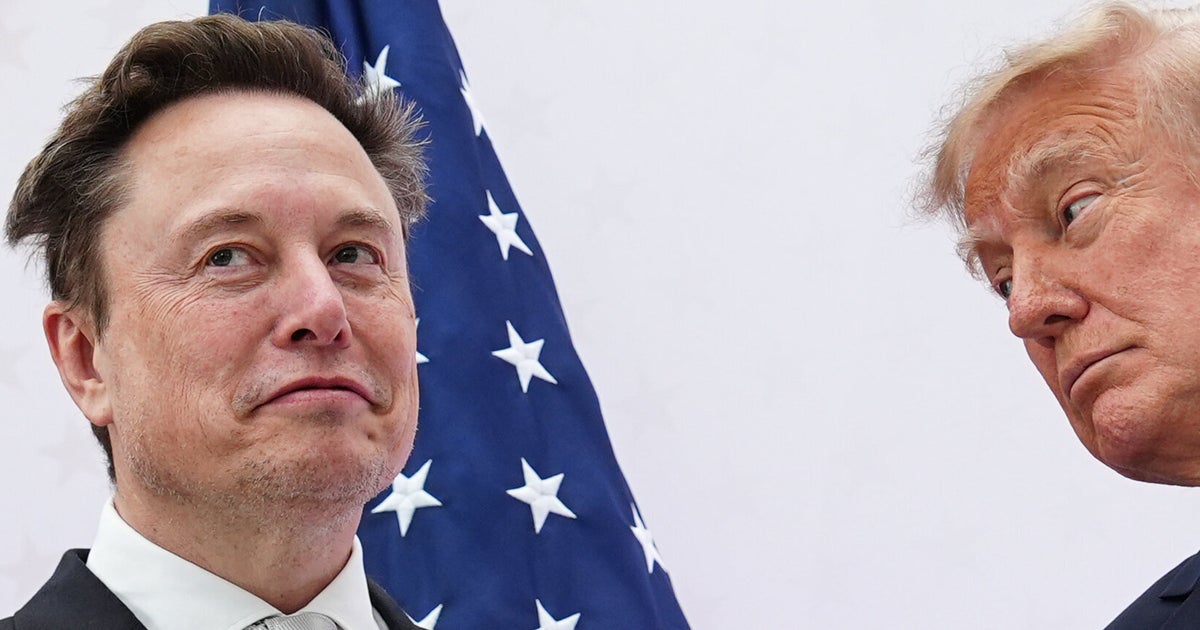
Seated with AI industry leaders on September twenty-ninth, President Trump announced he was renaming artificial intelligence to super intelligence, saying it's not artificial.
“It's not artificial. We all agree on that.”
Executive order directs federal use
The same day, Trump released an executive order directing executive departments and agencies to use super intelligence, or S I, not A I, in official communications.
Industry already uses the term
The AI industry already uses superintelligence, but it means something different. Superintelligence is AI that exceeds human cognition in nearly all fields, something no system has achieved.
Trump rejects AI safety warnings
Executives at leading AI companies have called to slow AI development because of risks to humanity. Trump has rejected those calls, saying warnings of AI dominating humans are a hoax.
Trump's history of redefining words
Trump has a history of co-opting words and changing their definitions. He twisted fake news from false online stories to a slur against legitimate journalism.
The China competition angle
Trump's preference for super intelligence aligns with his quest to remain ahead of China in the AI race. He said on September thirtieth that whoever wins super intelligence wins.
“If you stop work, somebody's going to do it. And whoever wins super intelligence wins … And right now there are two players. It's us and China.”
White House AI framework signed
The AI leaders' White House gathering led to the signing of a voluntary framework for AI companies to self-regulate. There's no federal law regulating AI, much less S I.
Expert warns on definitions
Baobao Zhang, a Syracuse University associate professor who studies the politics of AI, said it's important to get the definition right for regulating fast-moving technology.
“It's really important that we get our definition right with any attempts at regulating this very fast-moving technology.”
Trump polled voters on alternatives
Trump posted polls on Truth Social and X in September asking users to vote on AI alternatives, saying the name is inaccurate and very ineloquent. Options included superior intelligence and extreme intelligence.
Trump considered change since July
This push isn't new. Trump has been considering a name change for AI since at least July twenty twenty-five, saying he doesn't like anything artificial.
“I find that too 'artificial', I can't stand it. I don't even like the name.”
Superintelligence dates to nineteen ninety-eight
The term superintelligence dates back to nineteen ninety-eight, when philosopher Nick Bostrom defined it as an intellect much smarter than the best human brains in practically every field.
“an intellect that is much smarter than the best human brains in practically every field, including scientific creativity, general wisdom and social skills.”
Industry prefers A G I terminology
Today, when people in the industry speak of AI more powerful than humans, they more commonly use the term artificial general intelligence, or A G I, not superintelligence.
Musk embraces the new term
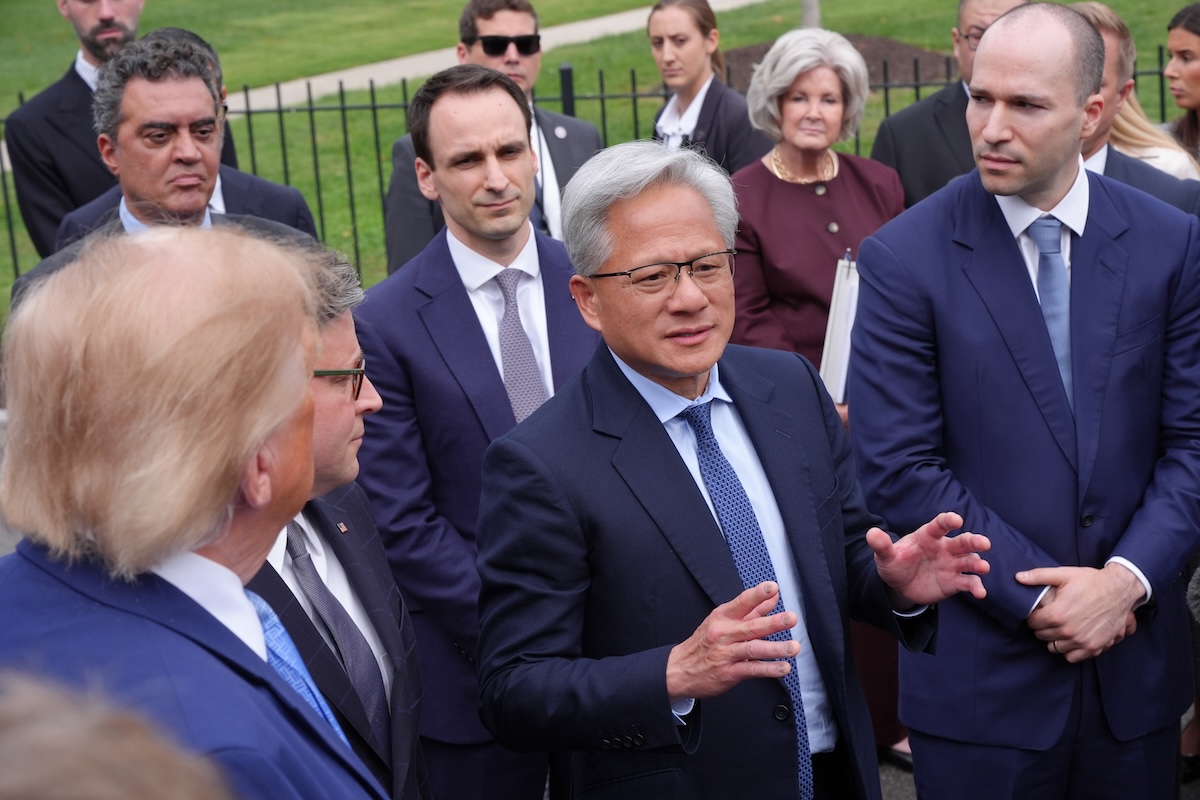
After Trump's directive, there has been little change in how AI industry leaders refer to AI publicly. Elon Musk said he will rename Space X A I to Space X S I.
Current AI systems are general-purpose
The AI systems familiar to most people fall under general-purpose AI, which can create text and images. Chat G P T is an example. The twenty twenty-six International AI Safety Report says it remains jagged.
Super intelligence would mislead
Super intelligence would be a misleading descriptor for general-purpose AI and narrow AI systems like self-driving cars or medical diagnosis AI, according to Baobao Zhang.
Public fears AI more than excited
A September poll showed sixty-eight percent support a bill requiring a slowdown and ban on AI superintelligence. Thomas Haigh, a University of Wisconsin-Milwaukee professor, said rebranding is unlikely to reassure a fearful public.
“People are more fearful than excited about AI. Rebranding it to superintelligence is unlikely to reassure them.”
What to remember
Trump ordered federal agencies to replace 'artificial intelligence' with 'super intelligence' in official communications, but the AI industry already uses 'superintelligence' to mean something that does not yet exist.