From PolitiFact · Amy Sherman · · 4m
Voter ID wins at ballot box despite poll support
Seven states voted on voter ID measures in 2026. Polls show Americans back them, but ballot results were mixed.
In brief
Seven states voted on voter ID measures in 2026. Polls show Americans back them, but ballot results were mixed. Voter ID measures passed in Ohio, North Carolina and Nevada but failed in Colorado and California, showing that public opinion polls oversimplify a complex debate. Originally reported by PolitiFact.
Republicans push voter ID as popular policy
Republican leaders have fought for stricter voter ID requirements in recent years, saying this is a policy most Americans support.
Seven states voted on voter ID in 2026
Seven voter ID measures appeared on ballots in twenty twenty-six, the largest number of voter ID questions put to U.S. voters in a single year, according to Ballotpedia.
Three states approved voter ID measures
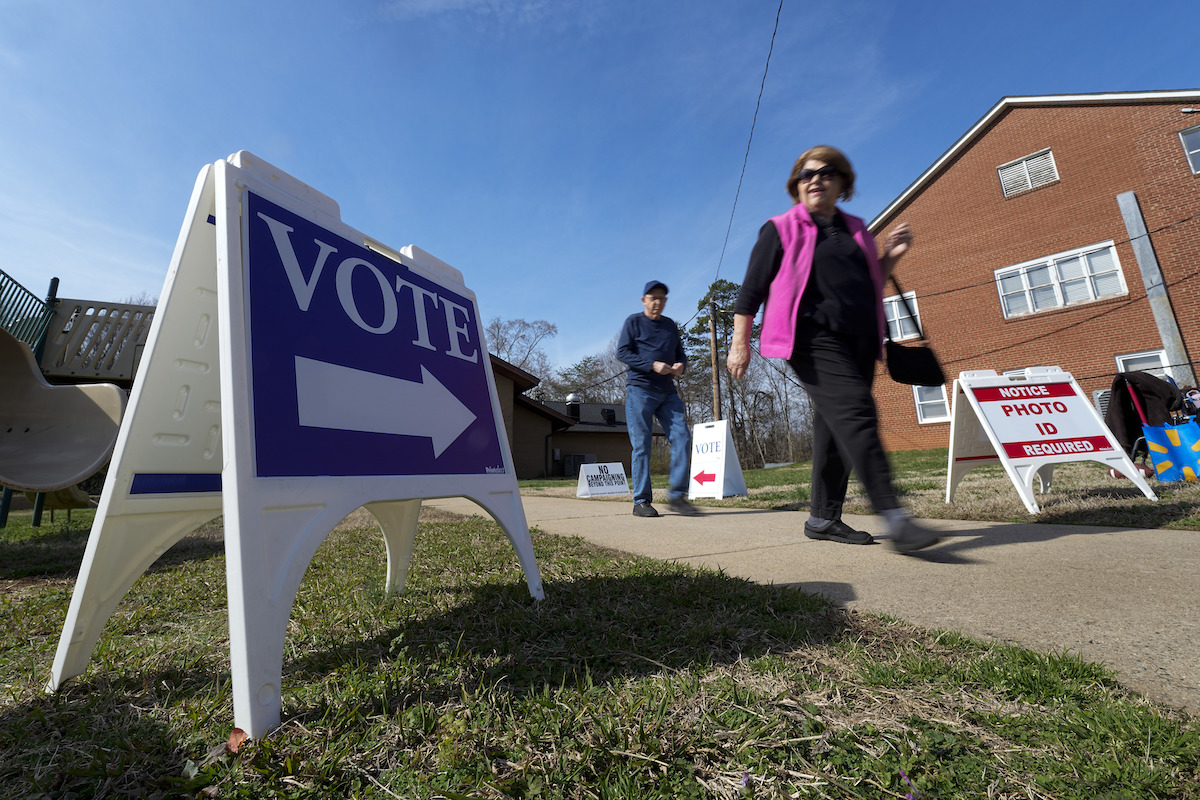
Ohio, North Carolina and Nevada approved voter ID measures. Oklahoma approved a similar change earlier in August. Arizona appeared headed toward defeat as of midday November fourth.
Two states rejected voter ID measures
Colorado and California voters rejected voter ID measures. California's proposal would have been one of the most restrictive in the nation, had it passed.
Polls show support but ballots tell different story
Polling shows Americans consistently favor voter ID. But MIT political scientist Charles Stewart says majorities support the idea in principle but reject actual laws when offered them.
“Majorities of voters support the idea of voter ID laws in principle, but when offered an actual law, they rejected them.”
Ohio enshrines existing photo ID requirement
Ohio voters approved a constitutional amendment adding a photo ID requirement for voting in person, enshrining existing state law into the constitution.
North Carolina extends ID to mail-in voters
North Carolina voters approved a constitutional amendment requiring all voters, including mail-in voters, to present photo ID. Photo ID requirements for in-person voting were already in the North Carolina constitution since twenty eighteen.
North Carolina amendment raises bar for change
The North Carolina amendment does not change how elections are conducted, said Western Carolina University political scientist Chris Cooper. It simply makes it harder to change in the future.
“The voter ID amendment doesn't change a single thing about the way elections in North Carolina are conducted. It simply makes it harder to change in the future.”
Nevada makes the most meaningful shift
Nevada voters amended the state constitution to require government-issued photo ID when voting in person. Nevada has not required voters to show photo ID at the polls in most cases.
Nevada amendment requires two election approvals
Nevada constitutional amendments must be approved by voters in two consecutive elections to go into effect.Nevada voters first approved this amendment in twenty twenty-four, so with this twenty twenty-six approval it will go into effect.
Pew poll shows partisan divide on voter ID
In twenty twenty-five, the nonpartisan Pew Research Center found ninety-five percent of Republicans and seventy-one percent of Democrats favor requiring voters to show government-issued photo identification at the polls.
Polls oversimplify the voter ID debate
Polls typically present voter ID as a yes or no question, but voting law experts say this leaves out nuances about varying requirements, existing verification processes and the low risk of voter fraud.
ID details matter to voters and eligibility
Millions of Americans who have IDs may not be able to use them to vote if their ID was issued in another state, expired or lacks their current name or address.
Texas shows partisan ID acceptance gap
In Texas, handgun permits are considered valid voter IDs but student IDs are not. Critics say this makes it easy for gun owners, a heavily Republican group, to vote but harder for students, a predominantly…
Thirty-six states now require some form of ID
Thirty-six states request or require voters to show some form of ID at the polls. The remaining fourteen states and Washington, D.C., require no identification but use other methods to verify voter identity.
The short version
Voter ID measures passed in Ohio, North Carolina and Nevada but failed in Colorado and California, showing that public opinion polls oversimplify a complex debate.