From PolitiFact · Madison Czopek · · 2m
Why tech outages feel like one big attack
A cascade of failures at major companies and government agencies sparked conspiracy theories. Experts say our brains and social media are to blame.
In brief
A cascade of failures at major companies and government agencies sparked conspiracy theories. Experts say our brains and social media are to blame. Multiple technology outages and government system failures in November 2026 sparked conspiracy theories, but experts say pattern-seeking brains and social media…
A week of cascading failures

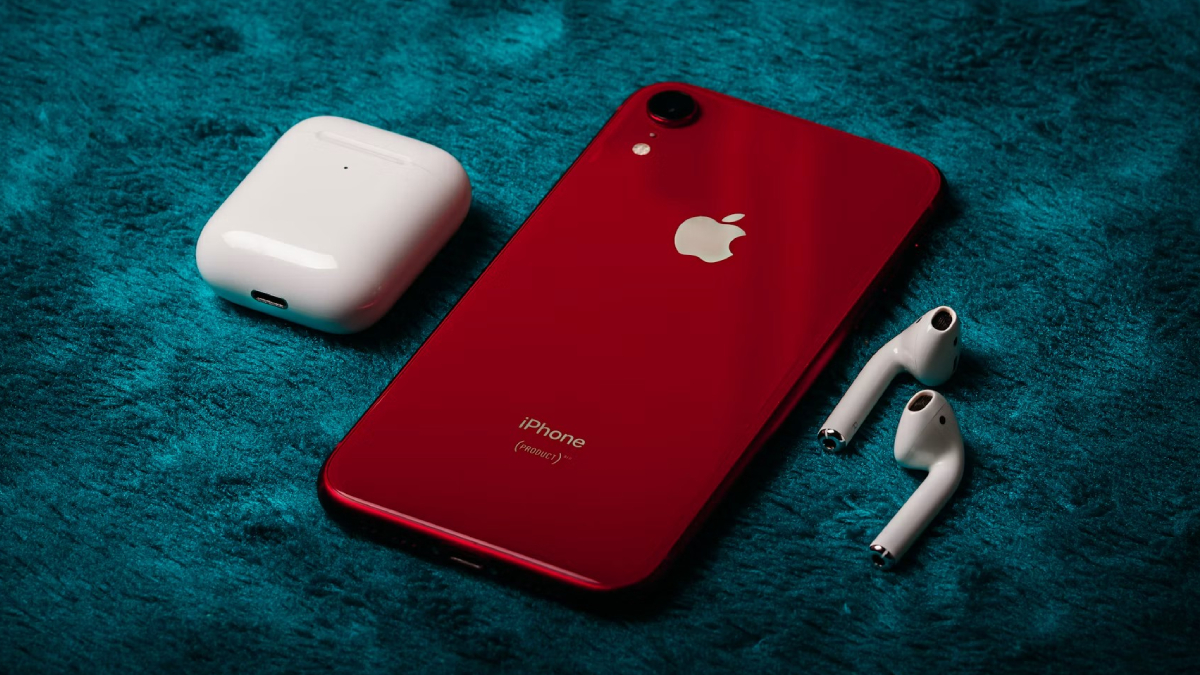
Microsoft, United Airlines, JPMorgan Chase and U.S.Bank experienced outages causing banking disruptions and flight delays.Marriott and Apple customers also faced digital problems.
People suspected a coordinated attack
The pile-on of technical failures prompted conspiracy theories.Nalin Haley, a conservative influencer and son of Republican politician Nikki Haley, wrote on November 17: "We're under attack in a way we've never seen before.
“We're under attack in a way we've never seen before. This is an AI cyberattack.”
Questions about coincidence
On Bluesky, Christopher Webb, a self-described lifelong Democrat and party strategist, questioned whether the issues were connected on November 16: "Coincidence???
“Coincidence??? 4 major banks reporting outages, a massive Microsoft disruption, and a nationwide FAA ground stop, all within days of each other.”
Experts found mundane explanations
The best available information points to routine maintenance, one-off problems or isolated cyberattacks, rather than an imminent systemic collapse or a coordinated attack on digital systems.
Brains are wired to spot patterns
Human brains naturally detect patterns and reject uncertainty. Javier Granados Samayoa, a Texas Christian University psychology professor, said this tendency can sometimes lead people to see connections where none may exist.
Social media amplifies alarm
Negativity bias means negative information has stronger impact. Social media algorithms circulate alarming posts and conspiracy theories, with an estimated thirty percent pushed by suspected bots including some with potential foreign influence, Axios reported.
Conspiracy theories stick around
Once people believe in a conspiracy theory, it is often difficult to convince them otherwise, Douglas said. Sharing conspiracy theories on social media is easy, fast and difficult to untangle.
“Once people believe in a conspiracy theory, it is often difficult to convince them otherwise.”
The headline
Multiple technology outages and government system failures in November 2026 sparked conspiracy theories, but experts say pattern-seeking brains and social media algorithms, not coordination, explain the panic.
Read the TL;DR — this story on one card.