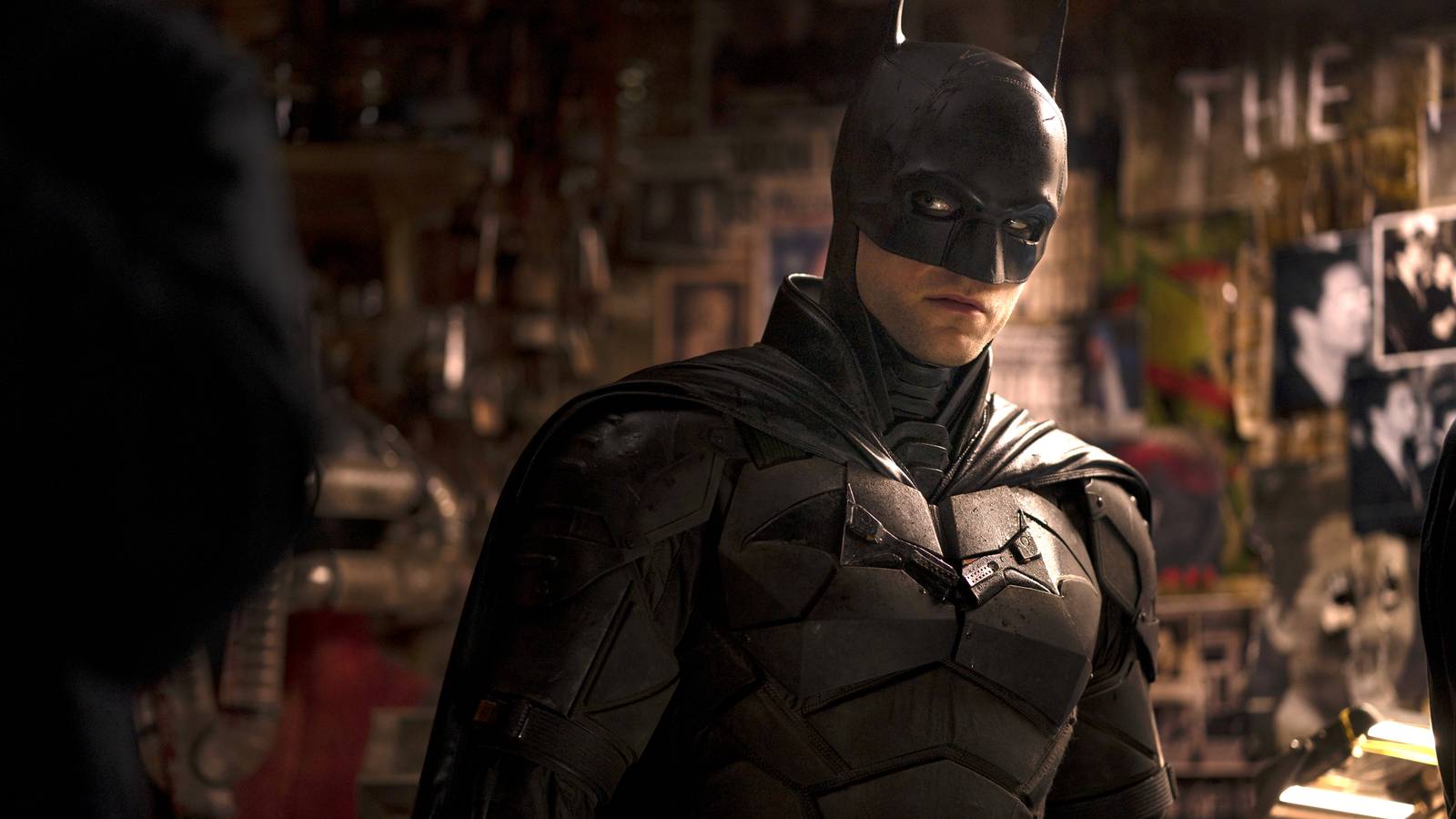
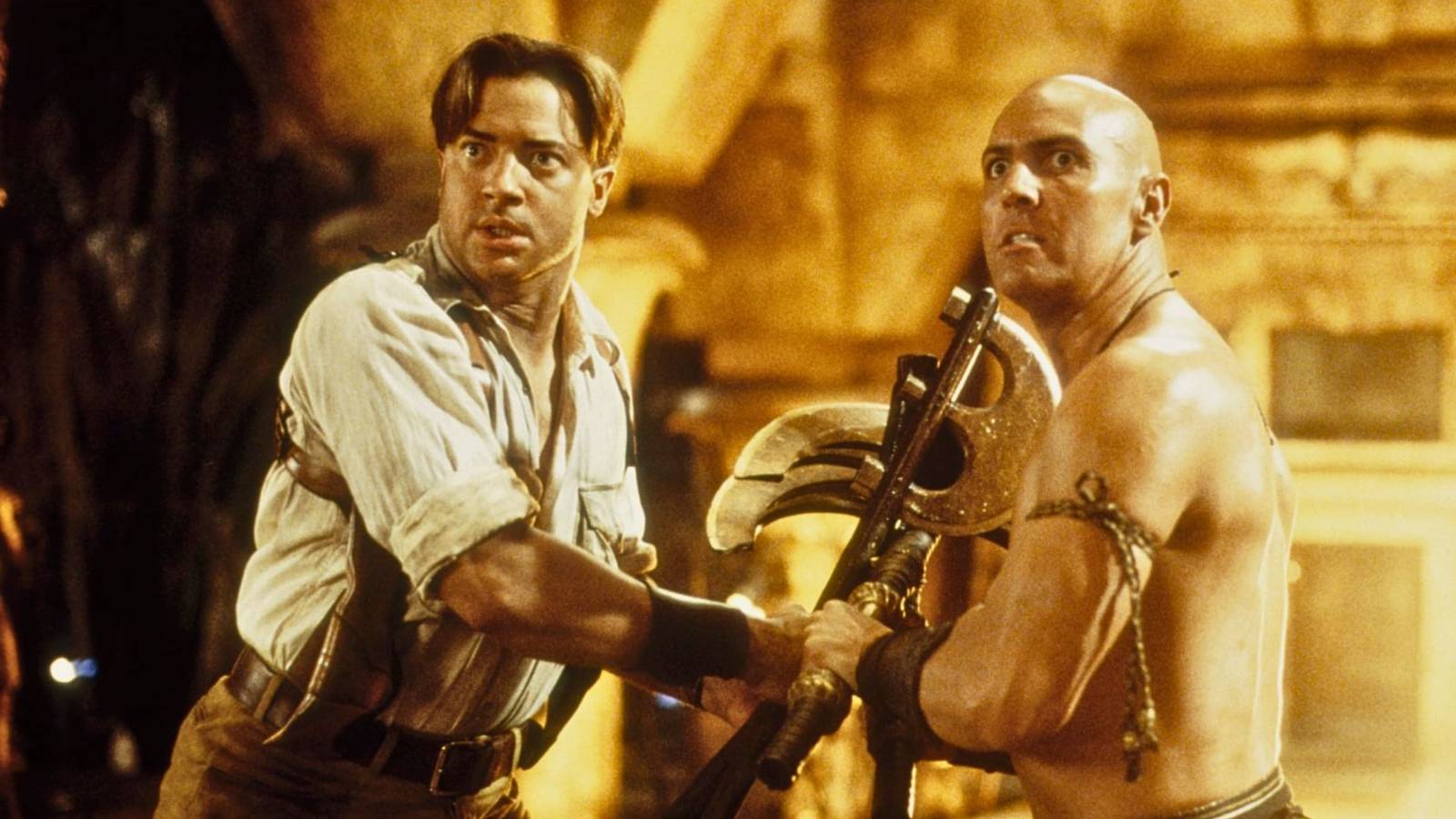
From Polygon · Ryan Epps · · 2m
Reality Is About to Get Really Confusing
Appofeniacs director Chris Marrs Piliero explains how deepfakes create real-world chaos through apophenia.
In brief
Appofeniacs director Chris Marrs Piliero explains how deepfakes create real-world chaos through apophenia. Appofeniacs director Chris Marrs Piliero warns that deepfakes exploit apophenia to create real-world violence by making people accept fabricated truths. Originally reported by Polygon.
Deepfakes spark real-world violence

Chris Marrs Piliero's film Appofeniacs shows how deepfake media causes real-world harm among Los Angeles residents over 24 hours.
“Apophenia is our constant need to inject meaning into the meaningless”
Appofeniacs director explains human response
Piliero says deepfakes exploit apophenia, our tendency to see patterns where none exist, causing people to accept fabricated truths.
“Apophenia is our constant need to inject meaning into the meaningless”
The film's human drama comes first
Piliero focuses on human reactions to deepfakes rather than the technology itself, highlighting how confirmation bias makes people accept fake videos.
“It’s our confirmation bias”
Duke starts the chaos

Duke, an instigator who creates AI-generated images out of boredom, weaponizes digital paranoia to trigger a chain reaction.
“Duke (Aaron Holiday)”
Real-world violence follows deepfakes
Deepfakes cause real-world violence as characters like Texas Tim, Lazzy, and Poppy experience trauma from fabricated media.
“Texas Tim (Will Brandt)”
The real horror is human denial
People claim real footage is fake when deepfakes exist, using the mere existence of deepfakes to deny reality itself.
“It works both ways”
Practical effects create real blood
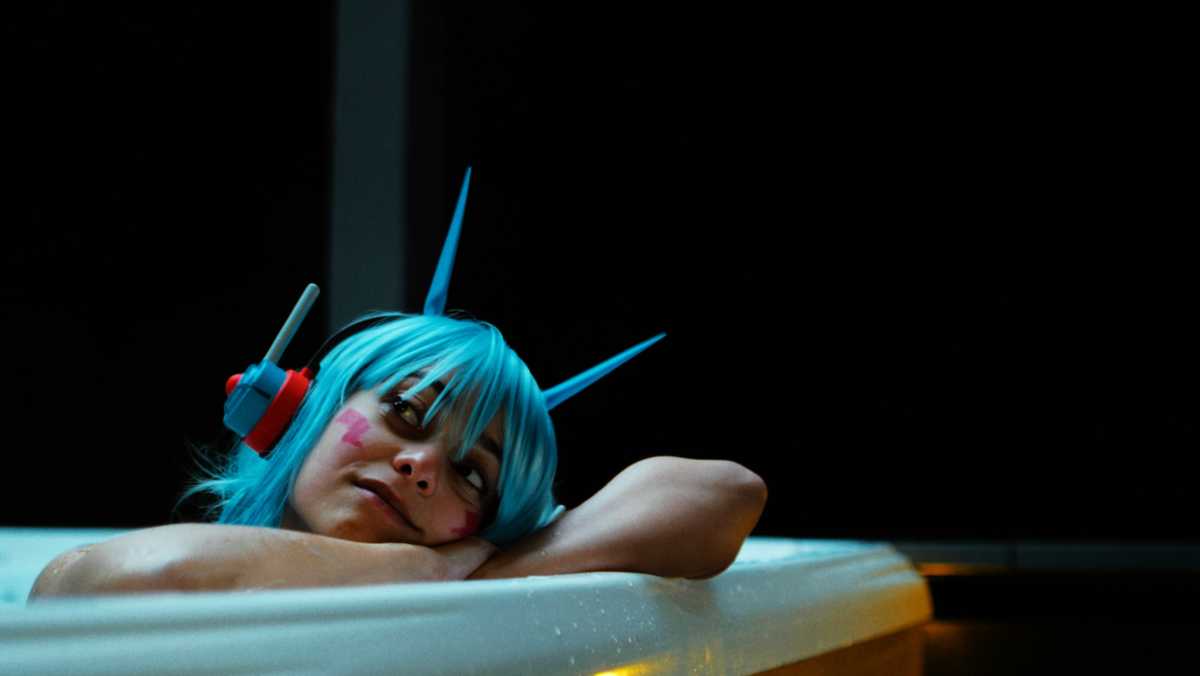
Piliero uses practical blood and effects to make gore feel real, avoiding digital blood that screams 'I'm digital blood'.
“I cannot stand digital blood that just screams 'I'm digital blood'”
Shooting on a shoestring budget
Piliero made Appofeniacs on a $300,000 budget using practical effects, small crews, and his home as a filming location.
“$300,000”
The film's desert sequences
The crew filmed desert scenes in freezing weather at an associate producer's cousin's home in the Mojave area outside LA.
“sub-40-degree weather”
Small crew makes cinematic work
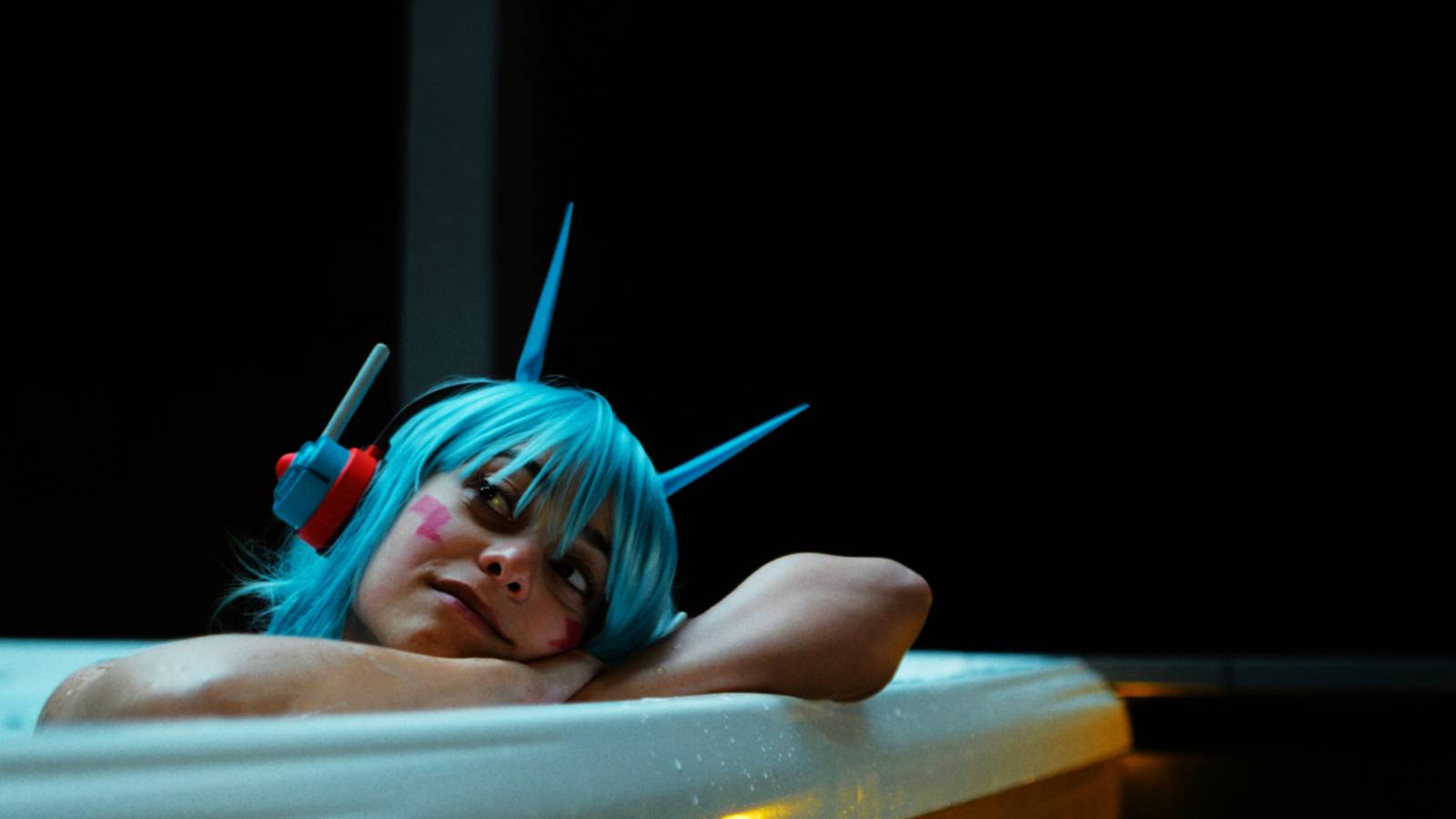
Piliero used a crew of 10 to 15 people with a Sony FX3 camera to shoot the film on a tight budget.
“10 to 15”
The real horror starts after the credits
Piliero says the scariest part of Appofeniacs is when the theater lights come back after the credits, making audiences question reality.
“In my opinion, the scariest part of my film is when it's over”
Appofeniacs warns about confirmation bias
Piliero urges audiences to double-check facts and question why they accept information without skepticism.
“Being aware of that tendency is how you remind yourself to double-check facts”
Appofeniacs releases in theaters
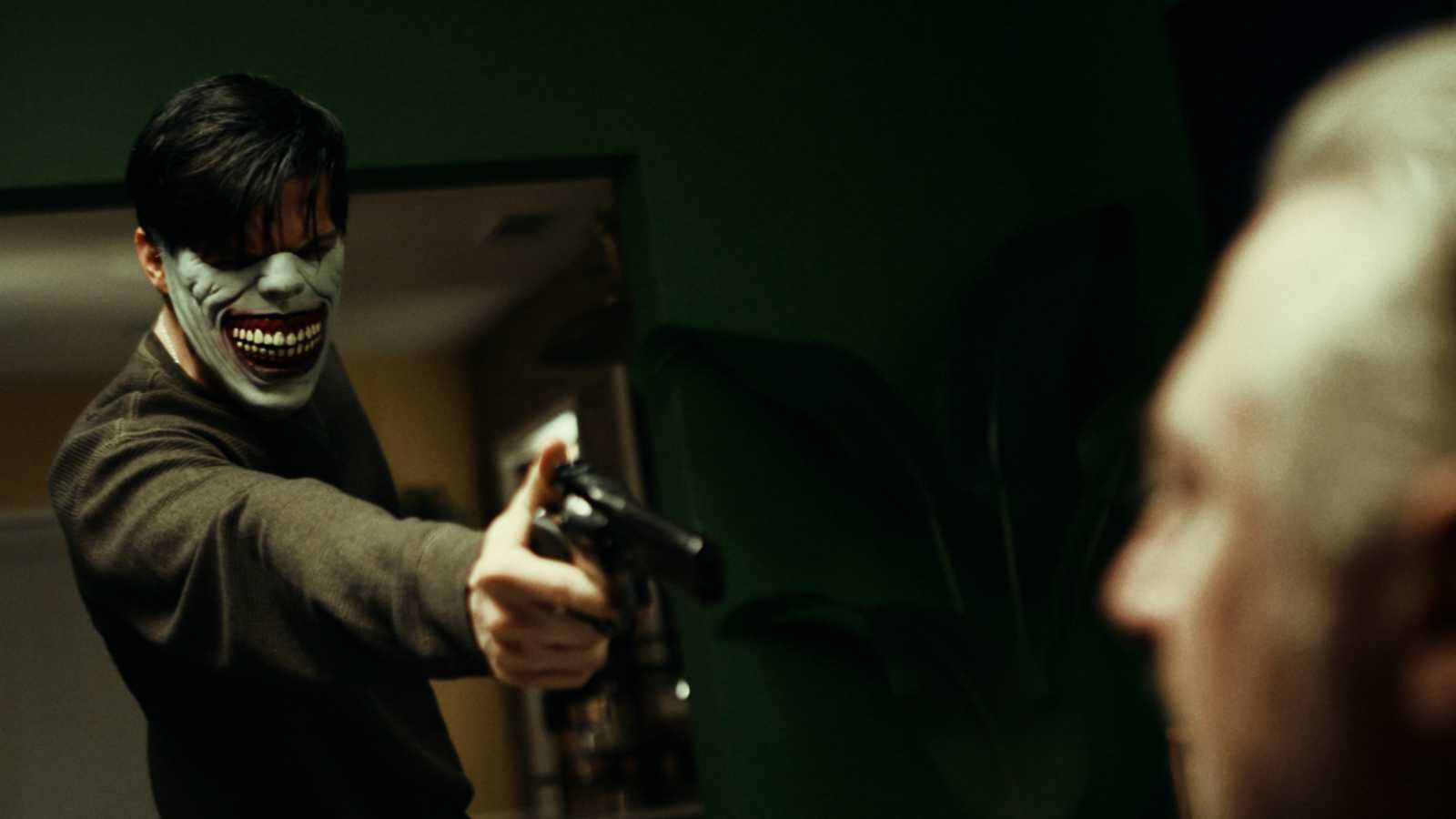
Appofeniacs is in theaters October 2.
“Oct. 2”
What it means
Appofeniacs director Chris Marrs Piliero warns that deepfakes exploit apophenia to create real-world violence by making people accept fabricated truths.