From Popsugar · Kristine Thomason · · 1m 50s
The Emotional Rollercoaster of Scanxiety
Breast cancer survivors face intense anxiety before and after scans, but strategies help manage the emotional toll.
In brief
Breast cancer survivors face intense anxiety before and after scans, but strategies help manage the emotional toll. Breast cancer survivors experience scanxiety, but mindfulness, communication with doctors, and support systems help manage the anxiety. Originally reported by Popsugar.
Quick answers
- What is Scanxiety?
- Scanxiety refers to distress and anxiety occurring before, during, and after cancer-related imaging scans.
- What is the key takeaway from The Emotional Rollercoaster of Scanxiety?
- Breast cancer survivors experience scanxiety, but mindfulness, communication with doctors, and support systems help manage the anxiety.
What is Scanxiety?
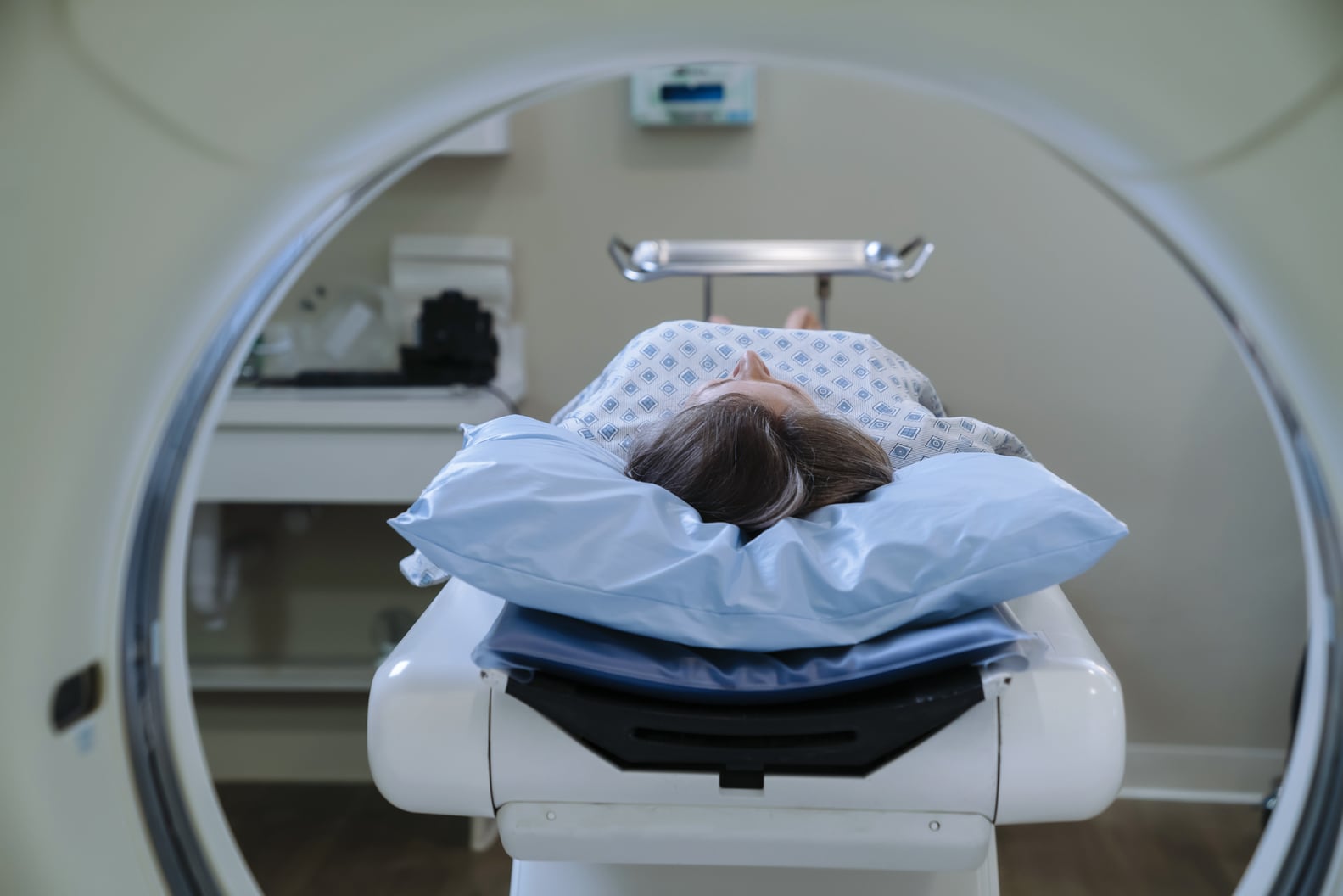
Scanxiety refers to distress and anxiety occurring before, during, and after cancer-related imaging scans.
“It's almost like you're transported back to that week you were diagnosed, and you forget you've gone through it all already.”
Ali Heitz's Experience
Ali Heitz, a breast cancer survivor, felt overwhelmed by scanxiety during her annual check-up scan.
“It's almost like you're transported back to that week you were diagnosed, and you forget you've gone through it all already.”
Scanxiety Manifestations
Scanxiety can cause fear of the unknown, discomfort with the scan process, or anxiety about cancer recurrence.
“I do get nervous, because the scans are uncomfortable.”
Dr. Irene Morae Kang
Dr. Irene Morae Kang, medical director of women's health medical oncology at City of Hope, explains scanxiety's impact.
“This can be difficult for someone with even baseline claustrophobia.”
Sheree Santos' Experience
Sheree Santos, a breast cancer survivor, experiences scanxiety due to discomfort and white coat syndrome.
“I do get nervous, because the scans are uncomfortable.”
Scanxiety in Survivors
Breast cancer survivors face higher scan frequency and anxiety about recurrence or cancer progression.
“The ante is much higher for their risk of recurrence.”
Managing Scanxiety
Experts suggest finding distractions, practicing mindfulness, and using thought replacement techniques to manage scanxiety.
“I really try hard and just sit with the emotion and I don't shove it away and compartmentalize it.”
Positive Diversions
Patients can reduce scanxiety by engaging in activities like yoga, dance, or spending time with loved ones before scans.
“Pilates and yoga classes, dance, and enjoying a glass of wine and laughter with girlfriends.”
Mindfulness Techniques
Mindfulness and meditation can help patients manage scanxiety by focusing on the present moment.
“I really try hard and just sit with the emotion and I don”
Thought Replacement
Repeating positive affirmations like 'I'm strong, I'm healthy' can reduce scanxiety during scans.
“I'm strong, I'm healthy, this scan is just to confirm that things are as they should be.”
Communicating With Doctors
Patients should discuss their scan anxiety with doctors to get support and clarification on results.
“How should I expect results? Can I reach out to you or someone from the team to explain my scan to me?”
Support Systems
Strong social support from family, friends, or counseling helps patients manage scanxiety.
“My mom, in particular, is so positive. She kept me marching the whole way through.”
The Bottom Line
Scanxiety is common but manageable with strategies that focus on emotional well-being and communication.
“It's just another reminder to not get hung up on the small things.”
Final Thoughts
Breast cancer survivors can manage scanxiety to maintain their health and well-being through practical strategies.
“My job is to keep a smile on my face, and live each day in the moment.”
What to remember
Breast cancer survivors experience scanxiety, but mindfulness, communication with doctors, and support systems help manage the anxiety.