From Premium Times Nigeria · Tunde Eludini · · 1m 40s
Nigerian-born players switching national teams in Africa
Nigerian-born footballers increasingly represent other African nations through family ties and naturalisation.
In brief
Nigerian-born footballers increasingly represent other African nations through family ties and naturalisation. Nigerian-born players are switching national teams in Africa via family heritage or naturalisation, following FIFA eligibility rules. Originally reported by Premium Times Nigeria.
Akpan Udoh's switch to Uganda

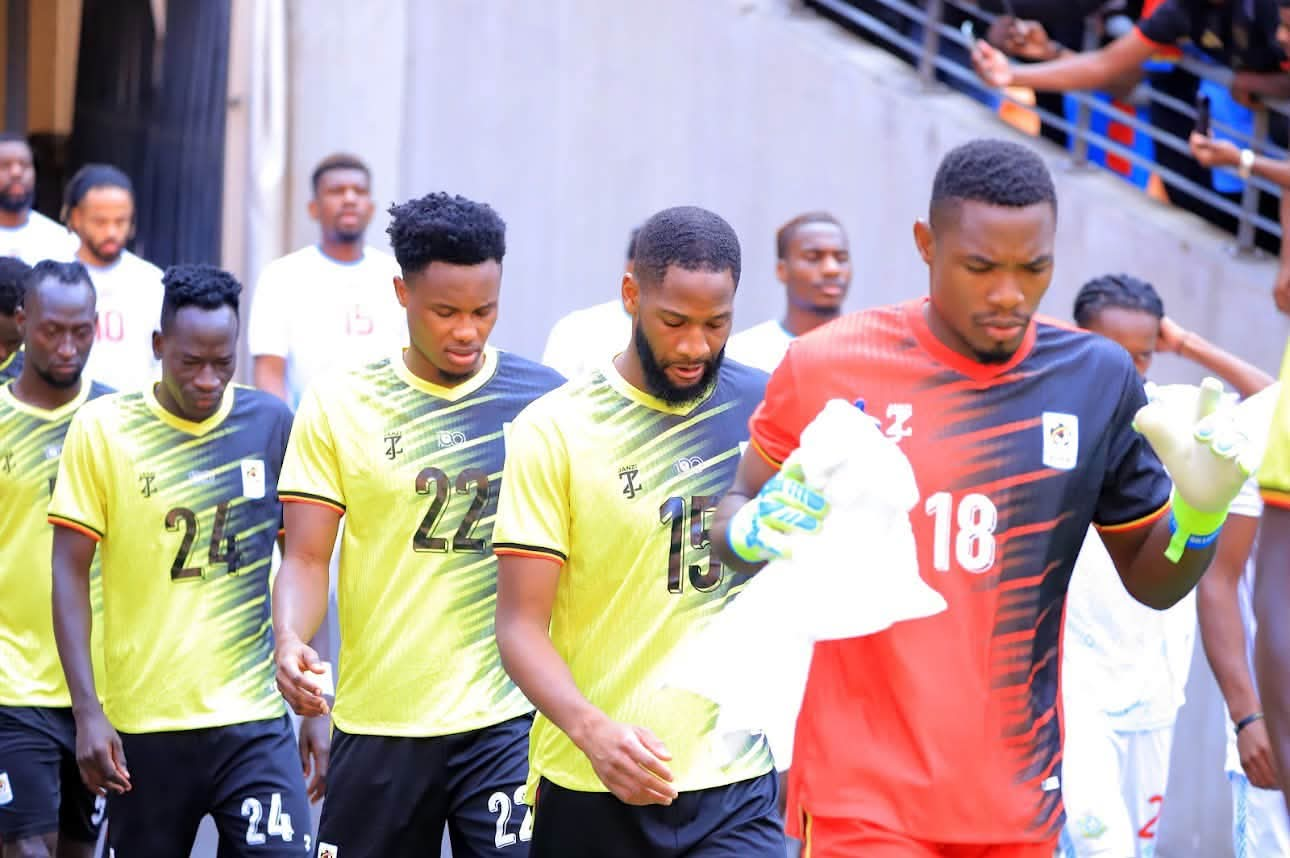
Akpan Udoh, a former Nigerian Under-17 World Cup winner, now represents Uganda after qualifying through his grandmother.
“Udoh made his international debut for Uganda on 2 October, keeping a clean sheet in a 2-0 friendly victory over the Democratic Republic of Congo.”
Osayi Kingdom's Uganda path

Osayi Kingdom, born to Nigerian parents, qualifies for Uganda through his maternal grandmother.
“Osayi, born on 3 June 2004 to Nigerian parents, qualifies through his maternal grandmother, who was born in Kaberamaido, Uganda.”
Malawi's Nigerian connection

Babatunde Adepoju, born in Lagos, obtained Malawian citizenship through naturalisation after playing in southern Africa.
“Babatunde Adepoju... played for clubs including Blue Eagles, Masters Security, Mighty Wanderers and FCB Nyasa Big Bullets.”
Adetunji's Sudan switch

Sunday Adetunji switched his international allegiance to Sudan after establishing himself in the country's domestic game.
“Adetunji had made one senior appearance for Nigeria, coming on as a substitute in a 4-0 friendly defeat to Mexico on 4 July 2021.”
Benin Republic's Nigerian ties
Benin Republic has a history of fielding footballers with Nigerian connections through family heritage.
“Olaitan was born in Porto-Novo, Benin, to a Nigerian father and a Beninese mother.”
FIFA eligibility rules
FIFA requires players to establish a recognised connection to a country through birth, descent or residence for eligibility.
“Under FIFA’s Regulations Governing the Application of the Statutes, a player must hold the relevant nationality.”
Nigeria's talent perspective
Sports analyst Seun Anifowose believes Nigeria should focus on nurturing local talent rather than preventing players from representing other countries.
“The major task for football authorities is to provide an enabling environment that would allow for local talents to be discovered and nurtured into stardom.”
Football agent's view
Football agent Friday Onajafe emphasizes the need for Nigeria to maintain strong scouting and communication with players abroad.
“Domestic competitions and youth development structures must provide credible pathways into the national teams.”
International players' choices
Players like Ime Okon, with Nigerian father and South African mother, choose South Africa over Nigeria for international representation.
“I know where my heart lies.”
FIFA's rules on switching

FIFA permits players to switch national teams under specific conditions, including eligibility and formal approval.
“A player who has represented another country in an official competition may need formal approval from FIFA to change association.”
Nigeria's talent challenge
Nigeria faces the challenge of developing its own players while recognizing international talent competition.
“As more African federations look beyond their borders, Nigeria’s challenge is to develop its own players while recognising that competition for international talent now extends well beyond the traditional boundaries of national development systems.”
The short version
Nigerian-born players are switching national teams in Africa via family heritage or naturalisation, following FIFA eligibility rules.


