From Psychologies · Cécilia Ouibrahim · · 4m
Running 10km taught me to listen to my body
Training for a race changed how I eat, sleep, and understand what my body needs.
In brief
Training for a race changed how I eat, sleep, and understand what my body needs. Measuring your body through training data helps you understand it better, but only when you balance numbers with how you actually feel. Originally reported by Psychologies.
Running with a goal changes everything
Training for a 10km race taught me that preparing for a goal transforms more than just my running. It changed how I eat, sleep, and listen to my body.
My father's motto became my compass
My dad ran the Paris Marathon and gave me a motto: CVPP, for courage, willpower, insight, and perseverance. It stayed with me through childhood and into this race.
Loving to run and training for a race are different

I've always loved running freely. But training for a specific event meant learning to build, recover, and push through days when motivation was low.
My coach taught me to run slowly
Coach Suzanne Cariant showed me that running slowly is part of training, not a failure. Recovery is as important as speed work.
Training rippled into my whole day
I started eating scrambled eggs for breakfast, paying attention to hydration, and creating recovery rituals. The race affected the other 23 hours of my day.
My watch revealed my sleep patterns

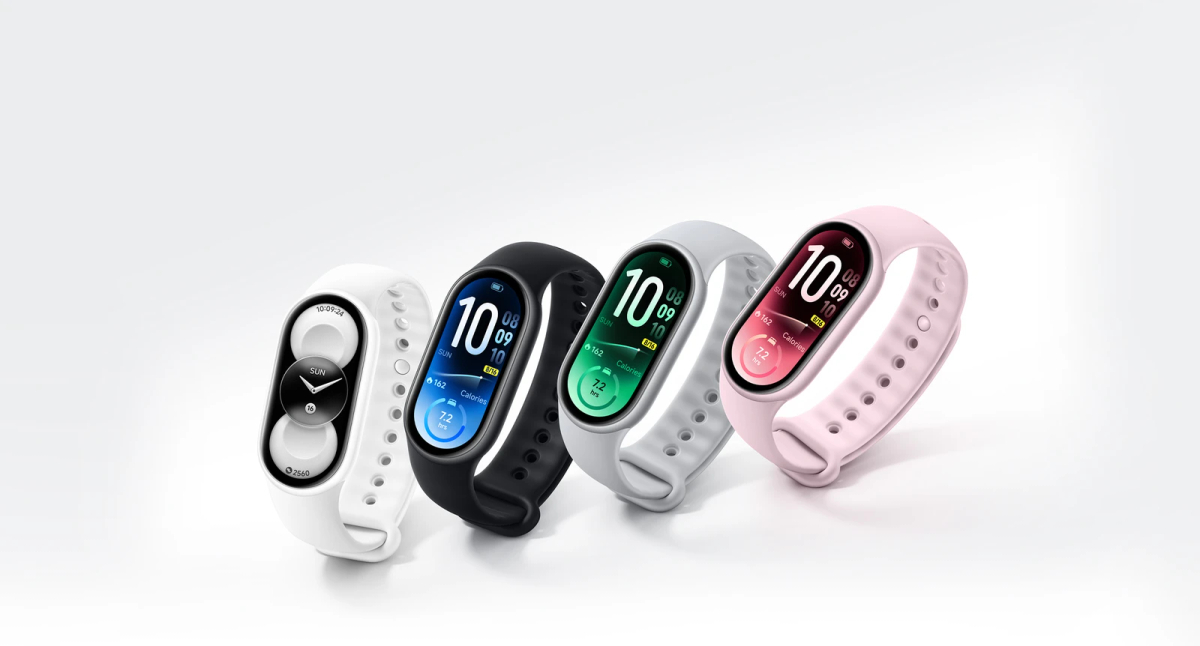
The Garmin Forerunner 170 tracked my sleep quality, deep sleep, REM sleep, and gave me a sleep score. It showed me I sleep little but sometimes the data was reassuring.
Numbers helped me understand my body
Once I started measuring my body, I began to understand it better. The watch tracked VO2 max, recovery time, and training load, giving me a fuller picture.
“Once you start measuring your body, you start to understand it and hopefully listen to it.”
Numbers can become judgments
Fast paces felt like good sessions, slow ones like failures. I realized I was turning data into grades and risking new ways to judge myself harshly.
A thought is not a fact

My coach reminded me that doubt before a race is not an objective measure of my fitness. A thought is not a fact. This changed how I read my watch data.
“A thought is not a fact.”
I learned to balance data and feeling
I started comparing what my watch said to how my body actually felt. Fatigue became a signal to listen to, not a sign of weakness.
Perseverance means knowing when to rest
I grew up with courage and willpower. But I learned that perseverance also means recognizing when to step back and recover, not just pushing harder.
The taper phase is mental, not physical

As race day approached, training volume dropped. The real work became mental: trusting my preparation and managing doubt instead of doing more.
Stress means this matters to me
My coach reframed stress as a sign that the race mattered, not proof I was unprepared. That shift changed how I felt about my nerves.
Control what you can, release the rest
I cannot control the weather, other runners, or how I'll feel at kilometer eight. I can control my pace, my breathing, and my focus.
My anchor phrase came from childhood
I chose CVPP, my father's motto, as my anchor phrase to return to when the race got hard. It reminded me why I was there.
Race day surprised me completely
On September 13th, surrounded by 20,000 women, I let go of control. The energy and atmosphere carried me to a pace and time I never thought possible.
Data cannot predict adrenaline
All my training data could not predict the adrenaline, the crowd energy, and the desire I would find on race day. Some things stay beautifully unpredictable.
I ran alone but felt surrounded
My friends sent messages, my brother and uncle cheered on the course. I thought this would be solitary, but I carried their support with me.
The race became collective
By sharing my training journey, I brought my loved ones along. One of my best memories was not the race itself, but how much it became ours together.
What to remember
Measuring your body through training data helps you understand it better, but only when you balance numbers with how you actually feel.
/file/attachments/2998/GettyImages-615456638_279749.jpg)