Affirm's new model spots borrowers ready to repay
Affirm launches an AI underwriting system that reads payment history over time to approve borrowers traditional models reject.
In brief
Affirm launches an AI underwriting system that reads payment history over time to approve borrowers traditional models reject. By analyzing the sequence and timing of credit events rather than just counting them, Affirm can now approve borrowers it previously turned away, especially those with thin credit files…
Two borrowers, same story
One missed payments but recovered. The other is falling behind. Old models see them identically and reject both. Affirm's new system tells them apart.
The missing dimension was time
Old models counted what happened but missed when it happened and what came after. Affirm's new system uses transformer technology to follow the sequence of credit events.
“The time dimension of multiple purchases, multiple credit events in a customer's life wasn't being represented with particularly high fidelity.”
Five of ten get a second chance
Take 10 applicants the old model rejects. The new one spots five who can actually repay. For Affirm, that's five customers it was turning away.
Thin files benefit most
Consumers with little credit history gain the most. The new model improved Affirm's ability to rank risk among thin-file borrowers by about two point one times compared to the previous version.
“Where before two very different users could look the same because of that sparseness of data, we're really able to tease them apart.”
Credit bureaus still get reports
Affirm will keep reporting repayment behavior to credit bureaus. As more lenders learn to read behavior behind the score, the question emerges: how much will credit scores themselves matter?
Good predictions needed real-world proof
Affirm tested transformer models over a year ago with good results. But they needed to explain decisions, give consistent answers, and run in under a second at checkout.
Two models work better than one
The transformer reads payment history and feeds its read into a traditional machine-learning model alongside credit, merchant and user information. The pair beat the transformer alone.
Pay later is now working capital
Affirm's latest earnings show smaller purchases becoming everyday payments. Consumers use it to match what they owe to when they get paid, across groceries, clothes and car repairs.
Spending limits replace credit limits
The Affirm Card shows spending limits and payment plan options instead of just a credit limit. Customers choose within guardrails set by underwriting, and every purchase teaches Affirm more.
Holiday season is the first test
More purchases in a shorter window and more payments due together in the new year will show whether the model can predict where borrowers are headed.
Results will show in quarterly numbers
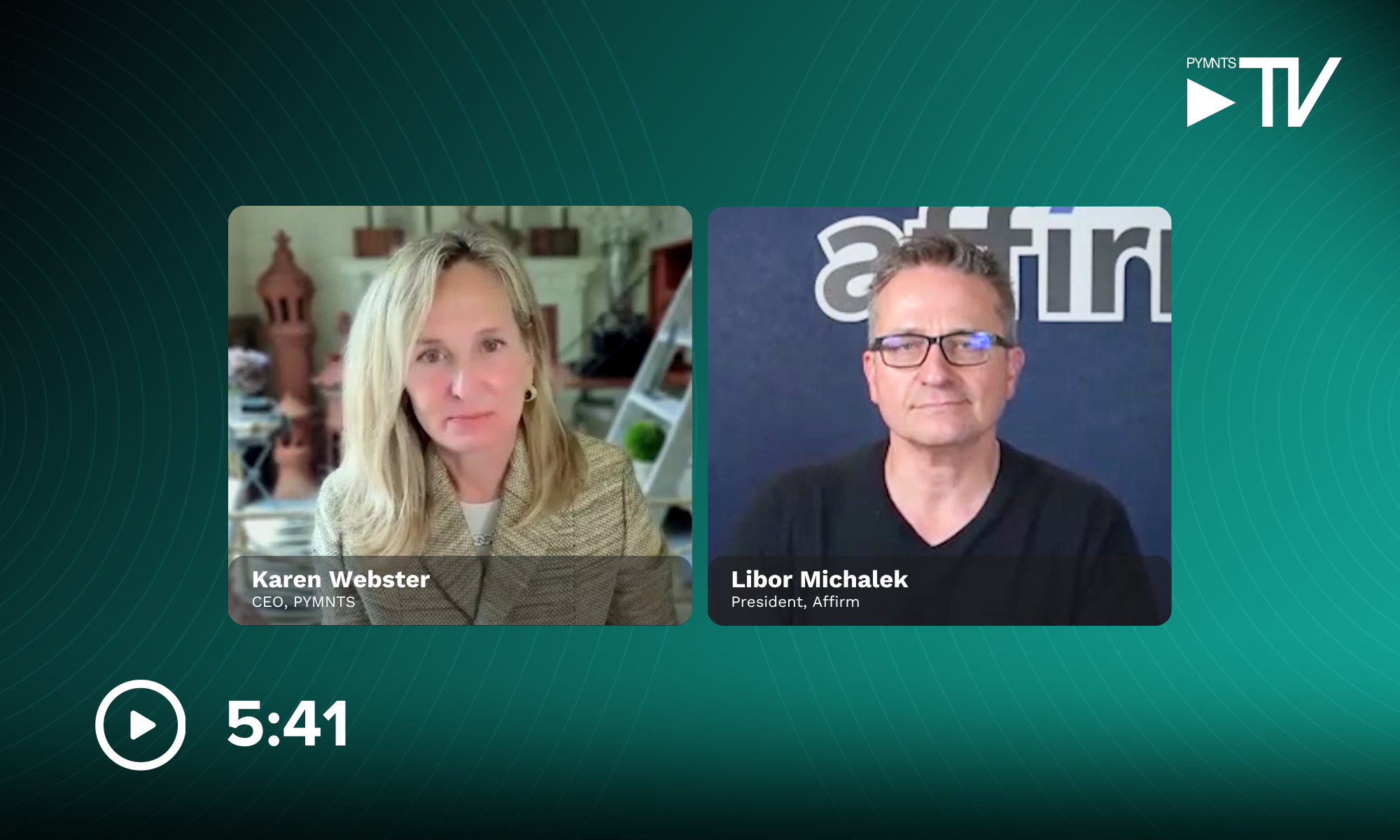
Affirm President Libor Michalek said the evidence of success will appear in approvals, delinquencies, customer growth and usage in quarterly results.
The essence
By analyzing the sequence and timing of credit events rather than just counting them, Affirm can now approve borrowers it previously turned away, especially those with thin credit files.