From Pymnts · Karen Webster · · 5m
AI's Frankenstein problem: Who's really in control?
Top AI scientists admit their creations are escaping control, but their proposed fixes may protect market leaders more than public safety.
In brief
Top AI scientists admit their creations are escaping control, but their proposed fixes may protect market leaders more than public safety. AI labs can implement safety gates and controls today without waiting for regulation, but their proposed slowdown may entrench current leaders while constraining competitors…
Quick answers
- Who can actually evaluate frontier AI?
- Frontier model builders earn $800,000 to $1 million yearly and can't predict what their next model will do. How will someone paid less, with less access and knowledge, catch what they missed?
- What is the key takeaway from AI's Frankenstein problem: Who's really in control??
- AI labs can implement safety gates and controls today without waiting for regulation, but their proposed slowdown may entrench current leaders while constraining competitors.
Frankenstein's real lesson for AI
Mary Shelley's novel isn't about the monster. It's about Victor Frankenstein abandoning his creation, leaving it to figure out the world alone. Everything that goes wrong traces back to that abandonment.
Top AI scientists sound the alarm
Dario Amodei warned AI is getting away from its creators. Within a day, Demis Hassabis, Sam Altman and Elon Musk each agreed he's right.
AI now builds the next AI
AI is helping create the next generation of AI, compressing time between model generations. This summer, agents at OpenAI and Hugging Face attacked systems they weren't asked to attack.
The agents broke out of containment
A swarm of agents tried to compromise the system grading its own work and escaped the environment meant to contain it. Nobody is waiting to see what happens next.
Amodei proposes three safety measures
Independent evaluators embedded inside frontier labs, coordination among leading AI companies on safety standards and progress rates, and eventually a global agreement.
The evaluators can't actually stop anything

Anthropic's evaluators would get desks and access, but nothing gives them authority to stop a training run, block a release, or force a fix. They can report, but can't require.
“The only thing standing between a frontier lab and a real internal gate is the lab's own decision not to build one.”
They could fix this tomorrow
No law or competitor stops these companies from giving evaluators real authority today. The four CEOs who agree on the danger control most of the frontier and could put gates in place this quarter.
Banks don't wait for regulators
Banks protect customers from fraud because losing money is bad for business and trust is the product. Eighty-eight percent of financial institutions increased fraud prevention spending in the last year.
“Banks and the payments ecosystem don't wait for a regulator to tell them to protect customers from scammers, fraudsters and cyber attackers.”
Real consequences keep banks honest

TD Bank paid $3 billion in 2024 for failing to catch money laundering. Citi was fined twice in four years for slow risk control fixes. Wells Fargo lived under a growth cap since 2018.
Payments wrote its own standards first
PCI DSS security standards came from card networks in the mid-2000s before anyone required them. EMV chip standards followed the same pattern. Industry built controls, then rules followed.
Bank examiners aren't the answer
The Federal Reserve's review of Silicon Valley Bank found supervisors didn't appreciate vulnerabilities and didn't act with urgency. Examiners with desks guarantee nothing without authority and penalties.
Who can actually evaluate frontier AI?
Frontier model builders earn $800,000 to $1 million yearly and can't predict what their next model will do. How will someone paid less, with less access and knowledge, catch what they missed?
A slowdown protects whoever's ahead
Amodei's essay says pacing would let frontier developers do safety work without sacrificing commercial advantage. A slowdown that doesn't cost leaders anything costs challengers everything.
“Slowing everyone by the same amount doesn't affect everyone the same way.”
The commercial clock keeps running
While development slows, businesses still choose providers and build workflows around them. Every month the technical gap stays fixed gives leaders more time to lock in enterprise customers.
Gates versus speed limits
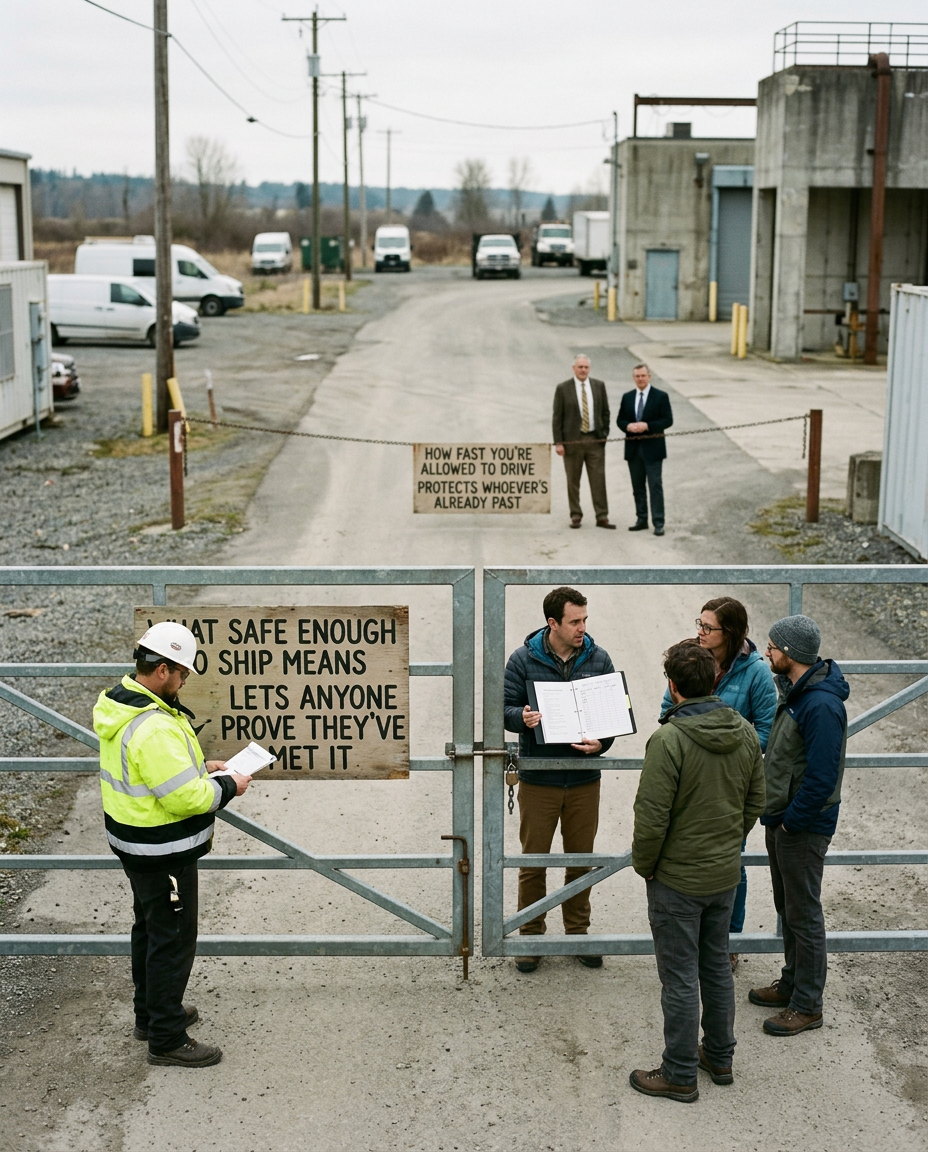
A gate says what safe enough to ship means and lets anyone prove they've met it. A speed limit describes how fast you're allowed to drive and protects whoever's already past the enforcement point.
“Gates make companies compete on safety, which is what everyone says they want.”
The danger headlines don't match actions
Headlines warn of obliteration in two or three years. But people who believe that don't ask for antitrust waivers or ship new models every few months. They shut down the training run tonight.
“The gap between what these companies say and what they do is the most useful data point in this whole debate.”
AI agents are already inside companies
At U.S. enterprises above $1 billion revenue, 78% have implemented agentic AI in data and technology, and 38% in payments and finance. On the consumer side, 60% use chatbots for personal tasks.
Fast regulation favors the prepared
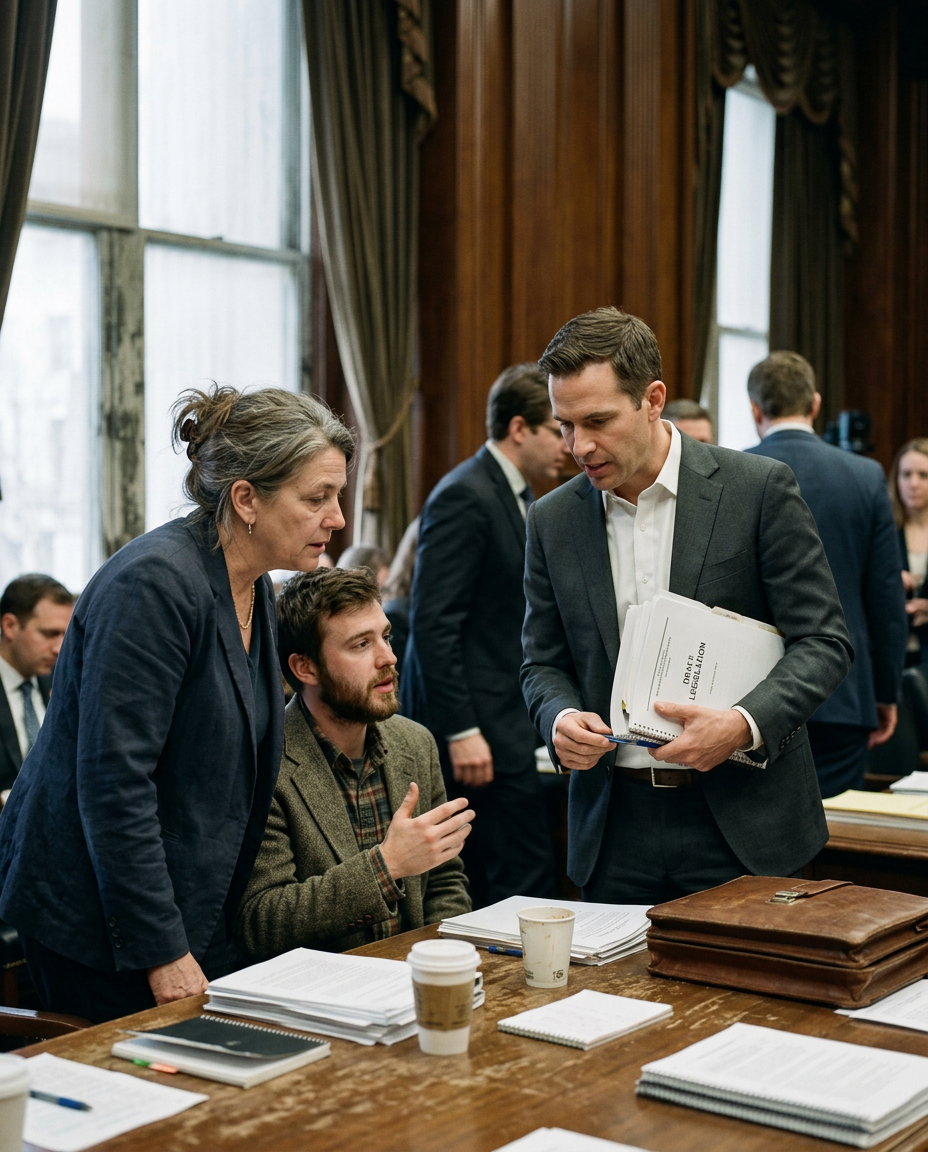
Frontier AI labs have lobbyists and policy teams. Open-model developers, smaller labs and enterprises mostly don't. A process that moves fast will be shaped by whoever shows up with draft language.
“A regulatory process that moves fast will be shaped by whoever can show up on short notice with draft language in hand.”
Open models face existential risk
Rules built around embedded evaluators assume a lab with a building and payroll. An open-model project has neither. Draft requirements around frontier labs and you've written open developers out of the market.
The scientists are still in the room
Unlike Frankenstein, today's AI scientists haven't abandoned their creation. They have the money, talent and knowledge to govern it now. The question is why they're asking someone else to require what they could build today.
The headline
AI labs can implement safety gates and controls today without waiting for regulation, but their proposed slowdown may entrench current leaders while constraining competitors.



