From Pymnts · PYMNTS · · 1m 40s
Flexible shifts, rigid paydays
Employers made schedules bend to the hour, but the money still waits for the calendar.
In brief
Employers made schedules bend to the hour, but the money still waits for the calendar. For low-wage shift workers, the gap between finishing a shift and getting paid is where the financial damage happens, and only 11% have a way to close it. Originally reported by Pymnts.
Flexibility only goes one way
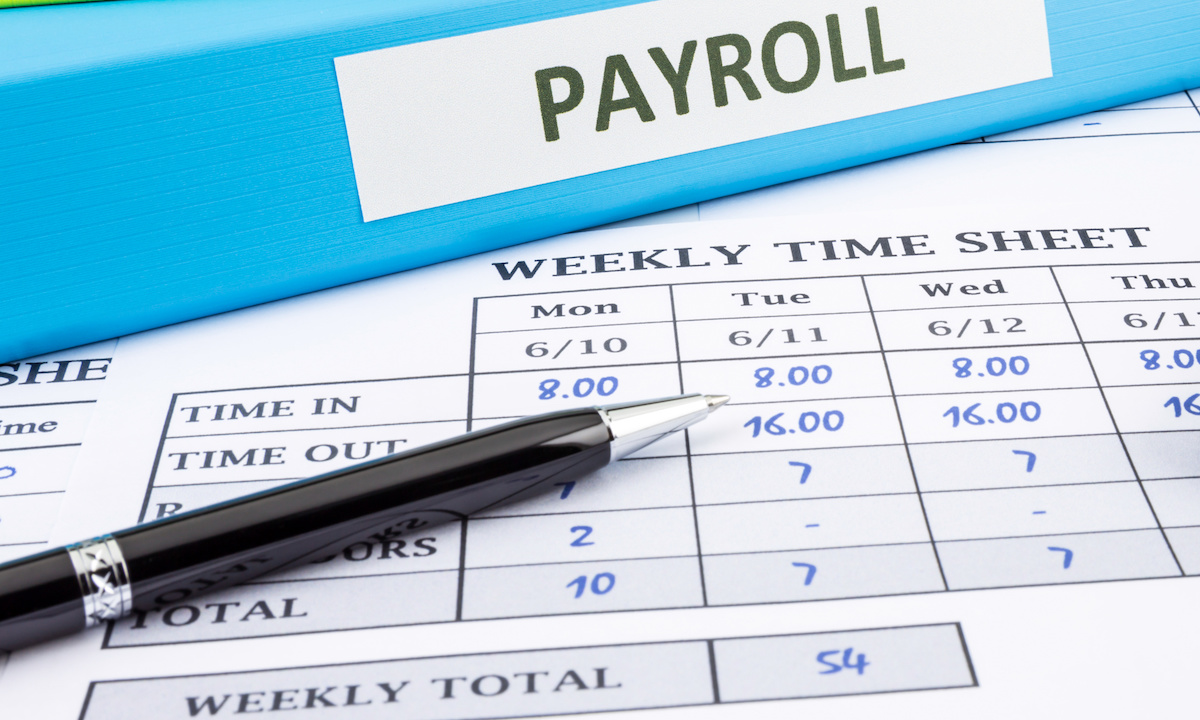
Hourly, gig and shift workers earn under $25 an hour and usually under $50,000 a year. Their hours move constantly. Their payday does not.
“For millions of hourly and shift workers, flexibility is built into when they work but rarely into when they get paid.”
Only 11% can tap earned pay
PYMNTS Intelligence's Wage to Wallet Index, with WorkWhile, found just 11% of these workers have employer on-demand pay. Workers outside the group have the same rate.
Schedule changes hit the wallet
After hours shifted, 26% earned less than expected in that pay period, 20% pulled from savings or emergency funds, and 20% borrowed or used credit they had not planned on.
Few protections before the shift
Only 32% have a guaranteed minimum number of hours and 21% get a week's notice of changes. Seventeen percent get premium pay for short notice, 10% get paid when a shift is cut.
This is a settlement problem
The labor was already exchanged for wages. What is left is the timetable between earning the money and being able to spend it, which makes it a payments issue.
“The relevant transaction has already occurred, as labor has been exchanged for wages.”
Bills don't wait for payroll
A quarter of these workers, 25%, missed or were late on a bill after a schedule change in the prior 90 days. Earlier access is convenience for some and rent money for others.
An open lane for providers
Employers keep adding technology to vary when labor is deployed. Payroll providers, employers and banks have barely touched the matching flexibility over wages already earned.
“The payroll calendar still determines when the money reaches the wallet.”
What to remember
For low-wage shift workers, the gap between finishing a shift and getting paid is where the financial damage happens, and only 11% have a way to close it.




