From Pymnts · PYMNTS · · 1m 20s
Late payments now cost you 4.1% of revenue
New PYMNTS research shows the best finance teams line up cash before they need it, and chasing overdue invoices is quietly eating real money.
In brief
New PYMNTS research shows the best finance teams line up cash before they need it, and chasing overdue invoices is quietly eating real money. Working capital is a planning tool, not a rescue rope. Set it up before the shortfall, and count late payments as lost revenue, not paperwork. Originally reported by Pymnts.
Two companies, opposite positions
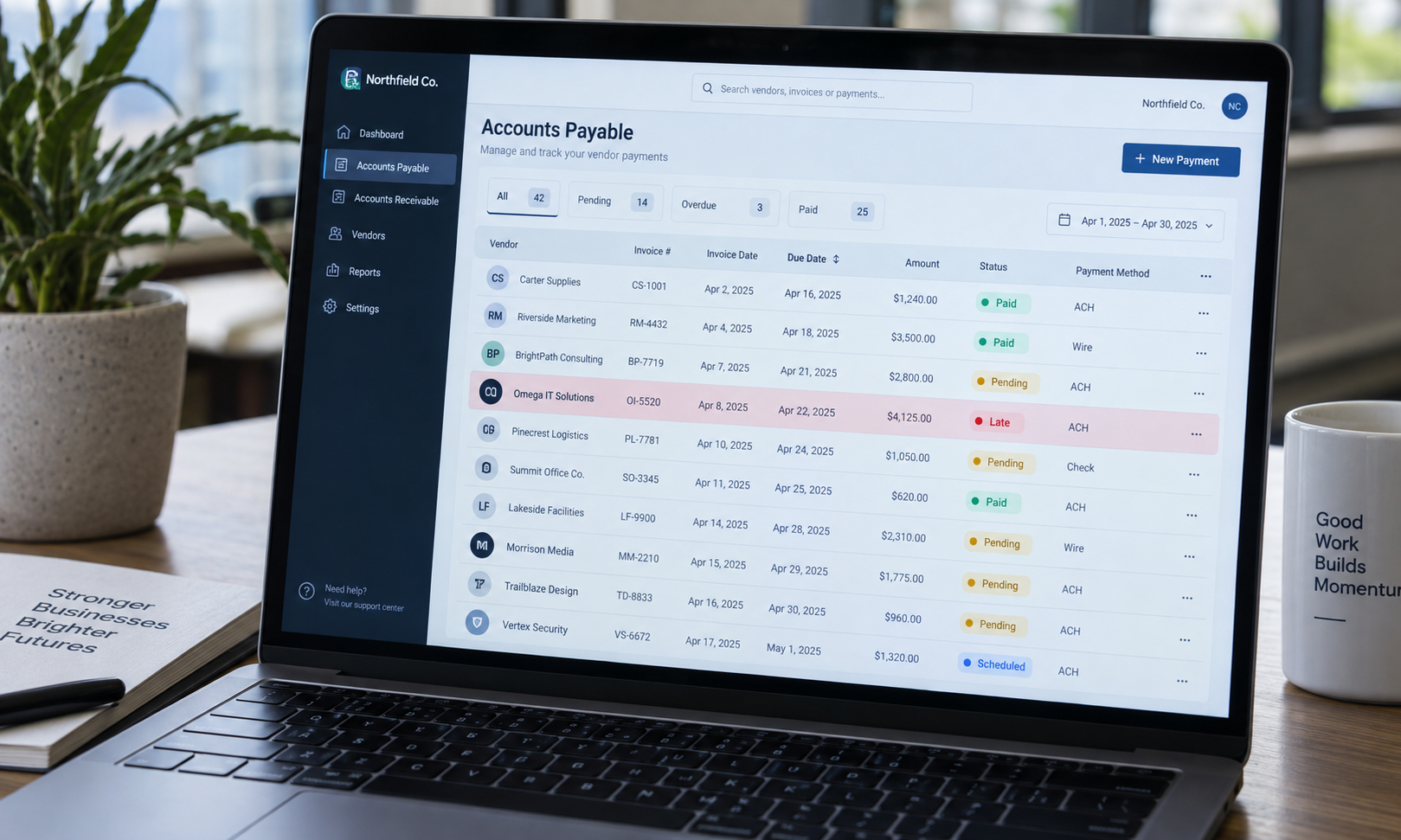
One firm taps working capital after a cash shortfall. Another secures it to fund expansion or lock in inventory. Same tools, completely different economics.
“One is responding to events. The other is preparing for them.”
Top CFOs borrow early
Eighty percent of top performers use working capital solutions for planned growth. Among bottom performers, 67% reach for them in emergencies.
“The best CFOs use working capital before they need it.”
Too many suppliers costs days
Companies with under 50 active suppliers ran a 23-day cash conversion cycle. Those juggling more than 100 sat at 49 days.
“Supplier complexity is becoming a balance sheet issue.”
Payments are financing now
Top performers treat virtual cards as working capital instruments. The payment method itself decides when cash leaves and when the supplier gets paid.
“blurring the traditional line between treasury and accounts payable”
AI is table stakes
Seven in 10 Growth Corporates already use AI on working capital efficiency. Adoption alone does not produce better cash performance.
“AI is becoming table stakes, not the differentiator.”
Chasing invoices is leakage
Growth Corporates lose roughly 4.1% of revenue chasing overdue B2B payments. Judge collections and automation spend by revenue preserved, not headcount cut.
“reframing receivables friction as an economic problem rather than an administrative one”
The main idea
Working capital is a planning tool, not a rescue rope. Set it up before the shortfall, and count late payments as lost revenue, not paperwork.