Nike's index exit is a retail warning
Nike leaving the S&P 100 says less about sneakers and more about who controls the shopper now.
In brief
Nike leaving the S&P 100 says less about sneakers and more about who controls the shopper now. Owning the brand no longer means owning the customer. Discovery, recommendation, checkout and delivery are splitting across different companies, and incumbents lose the most in that split. Originally reported by Pymnts.
Nike drops out
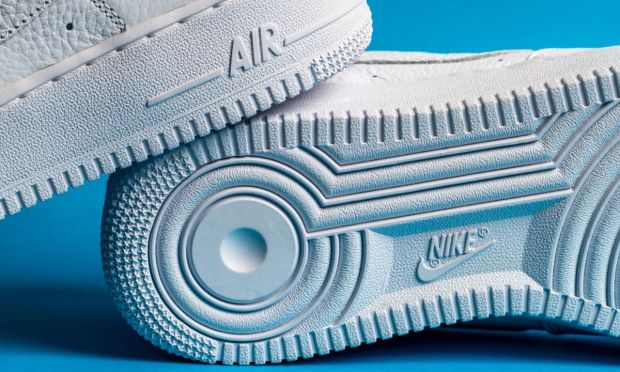
After nearly 18 years, Nike leaves the S&P 100 before trading opens Monday, Sept. 21. More than $200 billion of market value has evaporated since its 2021 peak.
Read it as retail news
It is tempting to file this as one company's fall from grace. The more useful reading is what it reveals about how selling to consumers now works.
“It may be more useful to read it as a retail one.”
Four tech firms take the seats
Palo Alto Networks takes Nike's spot. Dell, Arista Networks and Sandisk join in the same quarterly rebalance. Every single addition is a technology company.
The wallet got crowded
When households get picky, the biggest brand does not automatically win what is left. Shoppers trade down, wait, or pick whatever feels fresher.
China keeps sliding
Greater China sales fell sharply again in the fiscal fourth quarter. Local competitors have gotten good, preferences shifted, and Nike expects revenue pressure through the first half of fiscal 2027.
Switching costs hit zero
On and Hoka are credible now, not curiosities. Nike is trying to restart growth in a category where attention is scattered and leaving costs the shopper nothing.
“consumer attention has fragmented and switching costs are effectively zero”
The old playbook
Build a global brand, globalize production, consolidate marketing, own the digital relationship. Every extra merchant used to add a small inconvenience that protected the leader.
Checkout stopped protecting anyone
Digital wallets, stored credentials, one-click and embedded payments stripped the friction out. Buying from a challenger now feels the same as buying from the market leader.
Discovery moved to AI
PYMNTS Intelligence found Google still leads product discovery among millennials at 57%, but ChatGPT is second at 41%, ahead of Amazon at 37%. And 43% of consumers would link a wallet to an AI agent within two years.
The new question for brands
It is no longer how to get shoppers onto your site. It is whether the systems recommending purchases understand why anyone should pick you.
“How do we make sure the systems helping customers decide what to buy understand why they should choose us?”
The big picture
Owning the brand no longer means owning the customer. Discovery, recommendation, checkout and delivery are splitting across different companies, and incumbents lose the most in that split.