Rutgers launches AI hub for future doctors
A new medical school combines forces with a health system and AWS to build AI tools that speed up training and free doctors from paperwork.
In brief
A new medical school combines forces with a health system and AWS to build AI tools that speed up training and free doctors from paperwork. AI in medical education works best when it solves real problems faculty identify, keeps humans in charge of assessment, and gives clinicians more time with patients. Originally…
Rutgers merges two medical schools with AI
Rutgers University and RWJBarnabas Health launched an AWS-powered innovation hub to develop AI tools for a combined medical school. The unified school expects to enroll its first class in 2028 pending accreditation in 2027.
AI helps doctors handle complex data
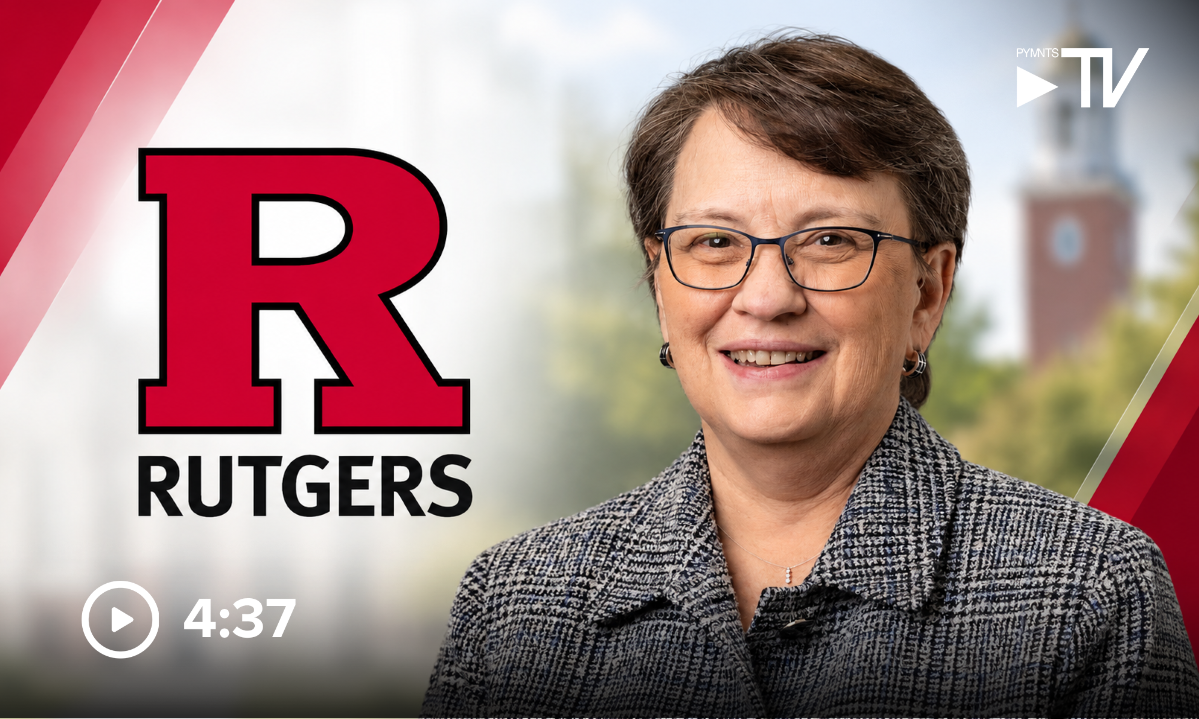
Founding Dean Dr. Amy Murtha says AI should help physicians manage the growing complexity of healthcare data while improving care delivery. The technology must come from trustworthy sources and be critically evaluated.
“So it allows us to manage that data in a way that helps us to provide better care.”
Hub brings together diverse student teams
Up to five teams of students from medicine, engineering, computer science and business will work on four to ten week projects. AWS provides technology, cloud credits, mentorship and operational support starting this fall.
AI coach speeds up medical training feedback
Medical students typically wait a month for faculty feedback on practice sessions with actors. An AI coach reviews audio and video using faculty-created criteria, delivering feedback faster while keeping faculty involved in assessment.
“It gives us the opportunity to get that feedback to the student in a more timely fashion, which improves their educational experience.”
Students must learn, not just use AI
Medical educators face a challenge ensuring students build their own knowledge while learning to use AI tools. The goal is advancing education and knowledge, not creating dependency on technology for patient care.
“How do we make sure that the students are using AI in a way that will continue to advance and further their education and knowledge?”
AI should free doctors from paperwork
Dr. Murtha wants AI tools to help manage notes and information so clinicians spend less time at computers and more time with patients. Technology should address the unintended consequence of earlier advances that pulled doctors away from patient engagement.
“I'm hoping that some of the advances with technology will help us regain that opportunity to spend time talking to our patients.”
AI improves patient communication skills
RWJBarnabas Health uses AI to assess empathy in recorded call-center conversations, then helps employees strengthen communication skills. Some patients had reported feeling unheard or being directed to the wrong place.
AI identifies high-risk readmission patients
Another application uses AI to identify patients at greater risk of returning to the hospital after discharge. RWJBarnabas Health's data could help develop ways to ensure patients get needed care and avoid readmission.
“Using AI tools, we may be able to identify some opportunities that can allow us to actually make sure the patient gets the care they need.”
Faculty mentor projects, guide implementation
Faculty and clinicians mentor hub teams and assess their projects. Successful work moves into Rutgers academic programs and RWJBarnabas Health's clinical innovation efforts, attracting research support and additional partners.
Health equity guides the new school's mission
Dr. Murtha wants the combined school to prepare students to build AI applications alongside technology specialists and health system leaders. Health equity will guide how the school teaches students and serves communities.
Here's the gist
AI in medical education works best when it solves real problems faculty identify, keeps humans in charge of assessment, and gives clinicians more time with patients.





