From Pymnts · PYMNTS · · 1m 30s
Union think tank wants shelf labels banned
A labor think tank says digital price tags on grocery shelves could erase up to 191,000 jobs and make prices swing like they do online.
In brief
A labor think tank says digital price tags on grocery shelves could erase up to 191,000 jobs and make prices swing like they do online. Electronic shelf labels are sold to retailers as a cost cut, not a customer service upgrade, and labor groups want them stopped before they spread. Originally reported by Pymnts.
Labor group wants a ban
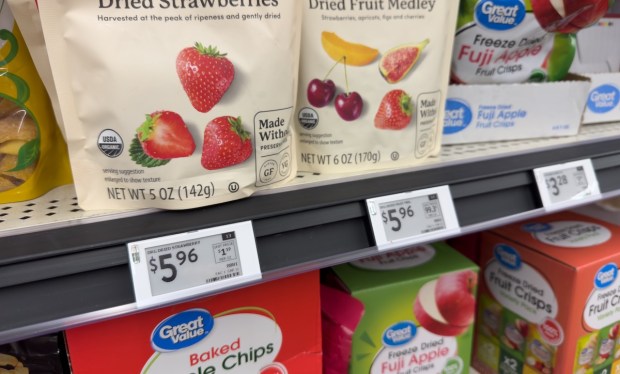
The AFL-CIO Tech Institute, a think tank the union set up in 2021, is asking policymakers to ban electronic shelf labels in grocery stores outright.
Billions in lost wages
Its policy brief puts the cost of widespread adoption at $1.6 billion to $6.9 billion a year in lost wages, and 44,223 to 191,633 jobs eliminated.
“Priced Out, Pushed Out: Electronic Shelf Labels Raise Prices and Shrink Paychecks”
The sales pitch versus the pitch
Makers say the labels free staff up to help shoppers. The brief reviewed their marketing materials and found they are sold to retailers as a way to cut costs.
Self-checkout is the warning
The brief points to self-checkout kiosks, where many retailers trimmed staff after rollout, as the template for what happens next.
“Based on past actions, one could expect similar staff reduction actions after the mass implementation of ESLs.”
Prices that move by the second

Digital tags wire shelves into pricing systems that can do dynamic and surveillance pricing, so a store can change a price in seconds.
“Widespread adoption of this technology can open the door to similarly volatile pricing in brick-and-mortar grocery stores.”
New Jersey hit pause
The state ordered a one-year moratorium on ESLs in food stores while legislators study them. The brief calls that a start, not enough.
“The only way to truly protect consumers and workers is to completely ban the tool being used to harm them.”
The key point
Electronic shelf labels are sold to retailers as a cost cut, not a customer service upgrade, and labor groups want them stopped before they spread.




