From Pymnts · PYMNTS · · 1m 20s
Walmart Grocery Business Emerges as Prime Answer
Walmart’s grocery strategy could become its answer to Amazon Prime by leveraging household habits.
In brief
Walmart’s grocery strategy could become its answer to Amazon Prime by leveraging household habits. Walmart’s grocery business now controls 21% of U.S. food and beverage spending, compared with Amazon’s 3%, positioning it as a strategic asset for customer retention. Originally reported by Pymnts.
Walmart’s Grocery Strategy
Walmart’s grocery business now accounts for 60% of its retail sales, controlling 21% of U.S. food and beverage spending versus Amazon’s 3%.
Grocery as Recurring Behavior
Grocery shopping brings households back into Walmart’s ecosystem weekly, creating a recurring consumer behavior that drives customer retention.
Walmart’s Strategic Advantage
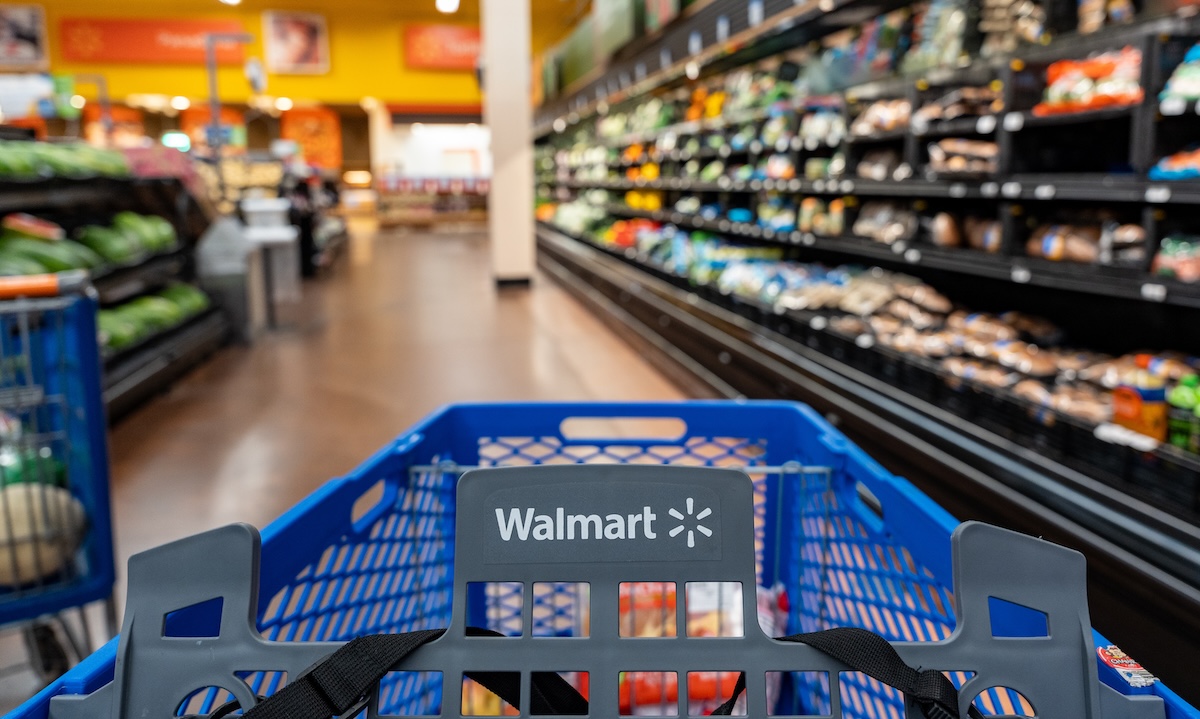
Walmart’s grocery scale allows it to convert household interactions into economic value across subscriptions, pharmacies, and digital services.
Amazon Prime Model
Amazon used shipping benefits to increase purchase frequency, then layered services to create a habit-driven ecosystem for recurring transactions.
Walmart’s Grocery Advantage
Walmart’s grocery business controls 21% of U.S. food and beverage spending, compared with Amazon’s 3%, with a growing edge since 2019.
Grocery as Strategic Asset
Walmart’s grocery strategy could lower customer acquisition costs for higher-margin businesses by leveraging habitual household spending.
Future Retail Moat
The future retail moat may be less about convincing consumers where to shop than controlling recurring behaviors they barely think about.
The takeaway
Walmart’s grocery business now controls 21% of U.S. food and beverage spending, compared with Amazon’s 3%, positioning it as a strategic asset for customer retention.




