From Pymnts · PYMNTS · · 1m 40s
Your top card is easier to lose than you think
A new PYMNTS Intelligence study shows how fast a primary credit card slips to second place, and what actually keeps it on top.
In brief
A new PYMNTS Intelligence study shows how fast a primary credit card slips to second place, and what actually keeps it on top. Most switchers never open a new account, they just promote a card already in the wallet, so issuers should watch spending shifts and make an offer before the customer goes shopping. Originally…
Top of wallet is rented
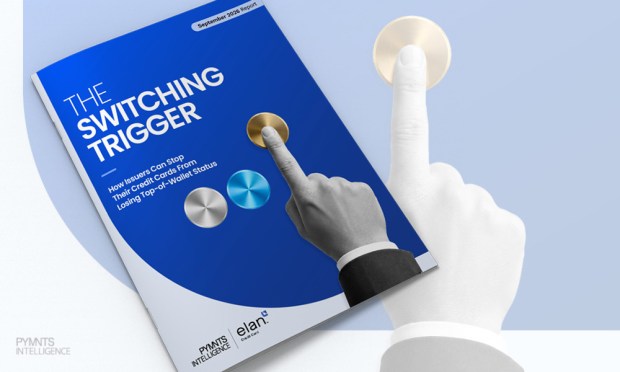
A card can fall from first choice to forgotten backup in a hurry. Once the order in the wallet changes, the next purchase usually follows the new leader.
“A credit card can go from first choice to forgotten backup faster than an issuer can say "statement credit."”
A better offer wins
Better rewards pulled 38% of switchers to a different card. Higher credit limits drew 36%, and sign-up bonuses convinced 30%. Dissatisfaction mattered, but a stronger offer closed the deal.
The rival is already inside
Fifty-eight percent of switchers never opened a new account. They just promoted a card they were already carrying, which means the warning signs show up in spending data first.
“They moved a card they already carried into the primary position.”
Age rewrites loyalty
Eighty-two percent of boomers and seniors kept the same primary card over two years, versus only 44% of Gen Z. For 66% of Gen Z, app quality is part of what keeps them.
Thirty million ready to move
About 30 million cardholders say they are very or extremely likely to change their primary card within a year. Gen Z leads the risk, and past switchers are the likeliest to do it again.
Act before they shop
Issuers don't have to wait for the exit. Better rewards, useful mobile features and a well-timed offer give a cardholder a reason to keep reaching for the same card.
The takeaway
Most switchers never open a new account, they just promote a card already in the wallet, so issuers should watch spending shifts and make an offer before the customer goes shopping.