From RNZ · RNZ | Te Reo Irirangi o Aotearoa · · 1m 20s
Hung Parliament Explained
What happens if no party wins a majority? A hung parliament could delay government or trigger a new election.
In brief
What happens if no party wins a majority? A hung parliament could delay government or trigger a new election. New Zealand's hung parliament may delay government formation or lead to a new election if no party secures a majority. Originally reported by RNZ.
Quick answers
- What is a hung parliament?
- A hung parliament occurs when no single party has a majority of seats, creating a tie between factions.
- What is the key takeaway from Hung Parliament Explained?
- New Zealand's hung parliament may delay government formation or lead to a new election if no party secures a majority.
What is a hung parliament?
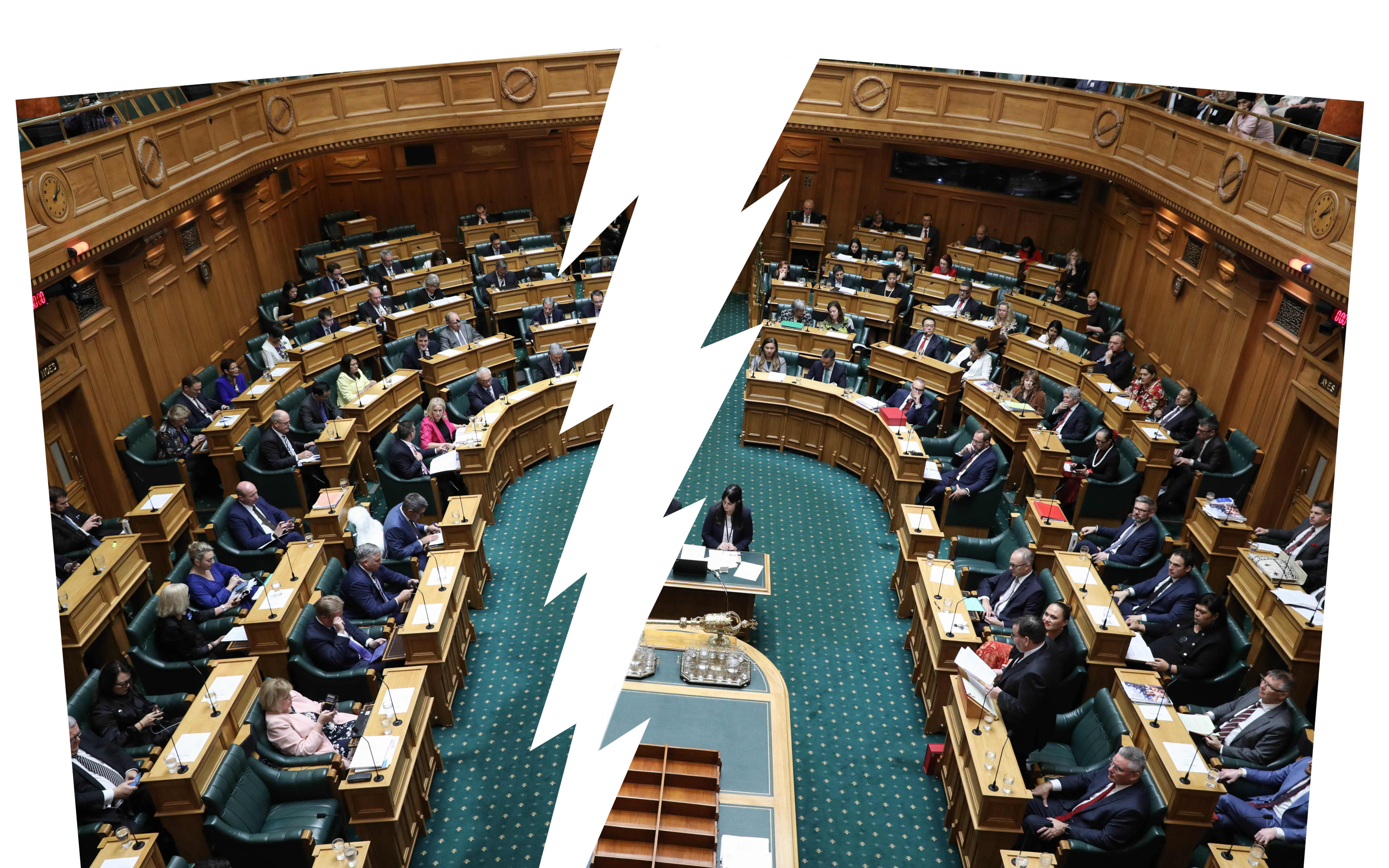
A hung parliament occurs when no single party has a majority of seats, creating a tie between factions.
Current election results
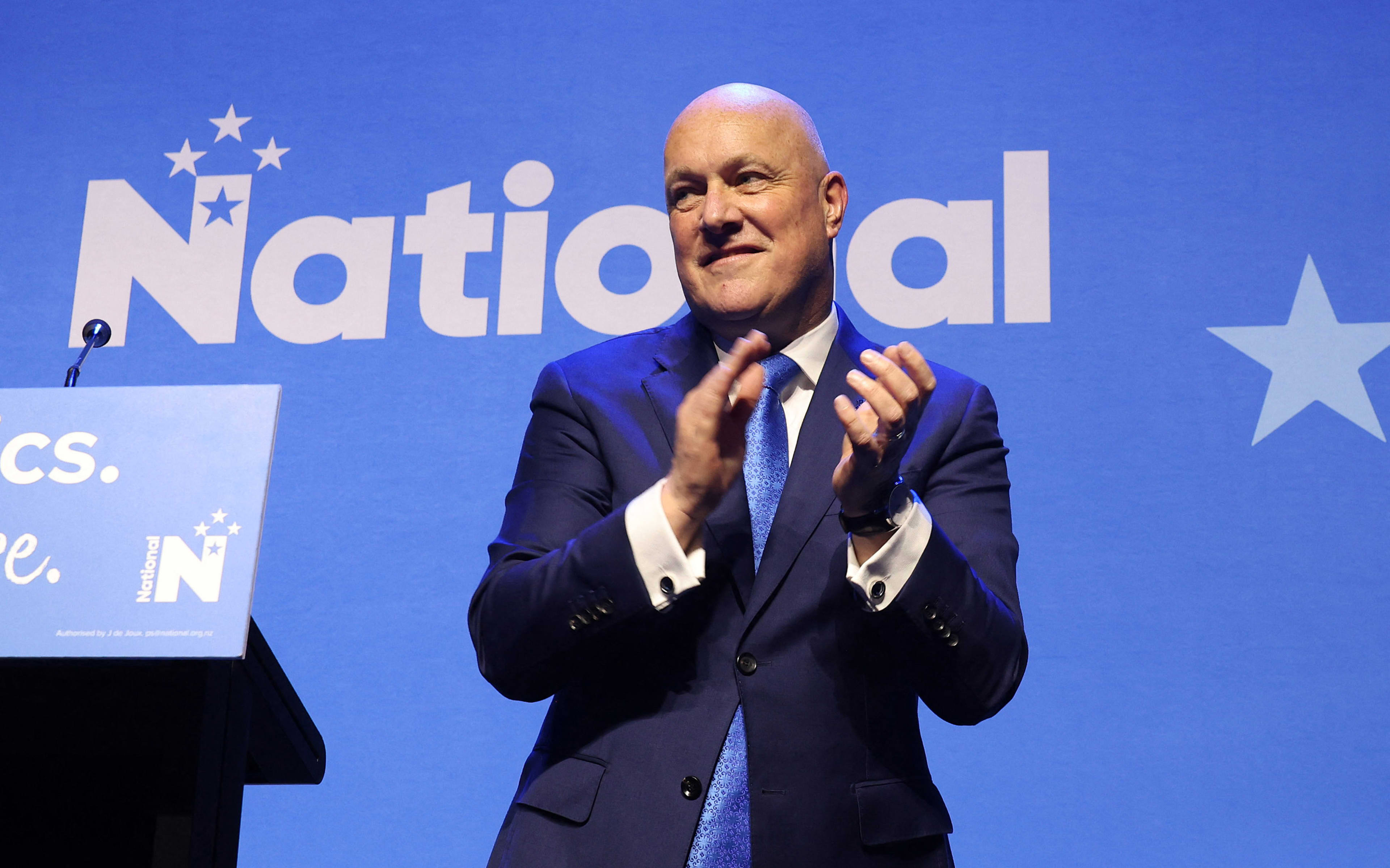
Labour and National are locked only a few thousand votes apart, raising fears of a hung parliament.
Parliament seat count
The preliminary vote shows 131 seats with 11 from an overhang, making a 60-60 tie possible.
Caretaker government

The government remains under a caretaker convention until a new government is formed.
Coalition talks
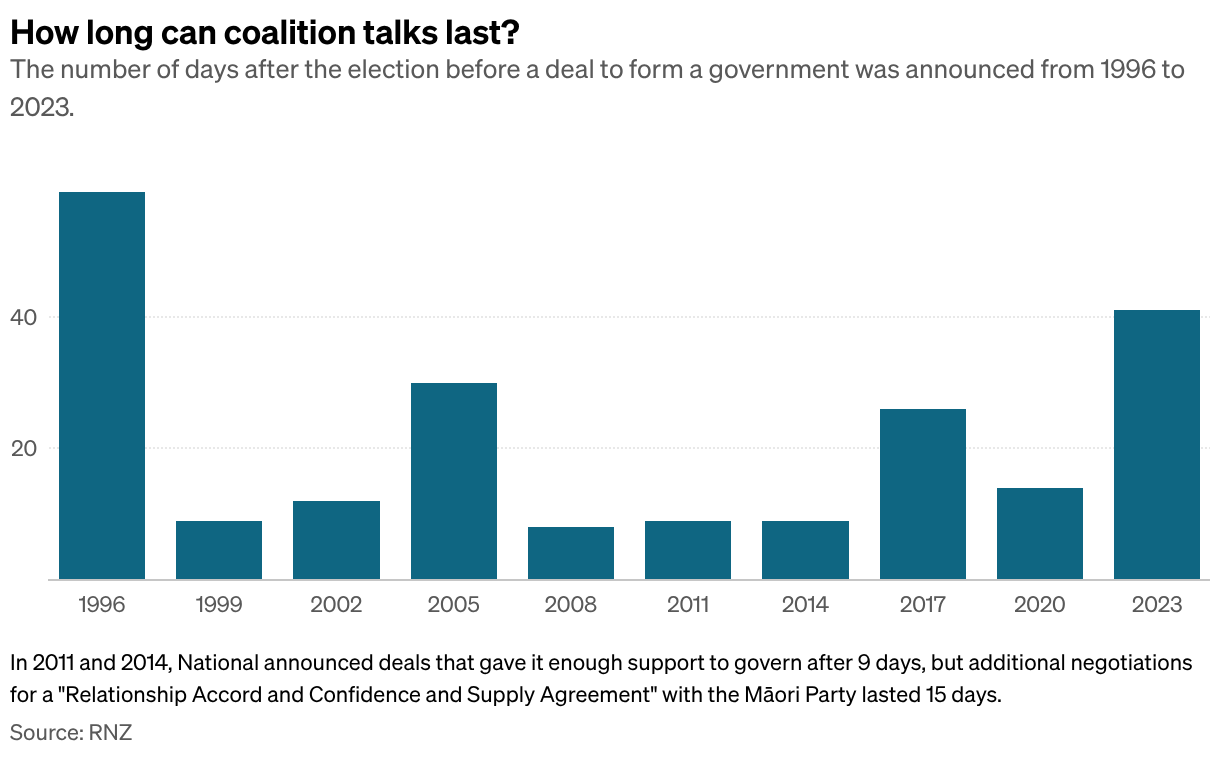
Coalition talks aim to create a majority government and could last from a week to two months.
Governor-general's role
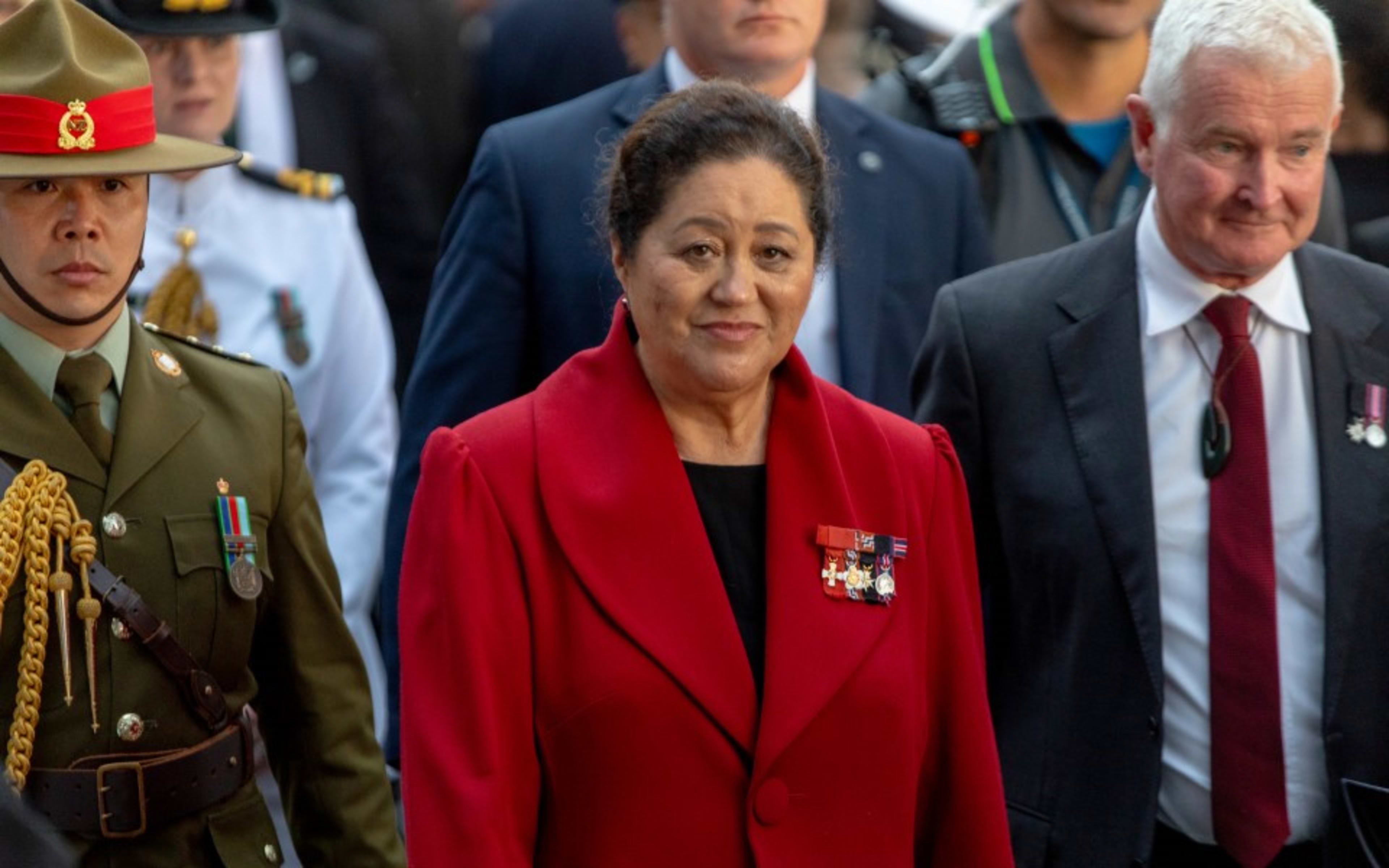
The governor-general could gently remind parties to reach a solution but cannot force outcomes.
New election possibility
A new election could be requested by the prime minister but requires majority support in Parliament.
International examples
Belgium held over 500 days without forming a government, while other countries have had multiple elections.
What happens next
Parties must find a majority to avoid a new election, with no party wanting to blame the country.
The big picture
New Zealand's hung parliament may delay government formation or lead to a new election if no party secures a majority.