From SI · · 4m
Zverev's 12,040 Bounces and the Clock That Can't Stop Him
The U.S. Open final's loudest villain is legal by the rulebook, which is exactly the problem.
In brief
The U.S. Open final's loudest villain is legal by the rulebook, which is exactly the problem. Tennis capped the time before a first serve but left the second serve unguarded, so a legal routine can still stall a match to 3 a.m. Originally reported by SI.
New York has a new villain
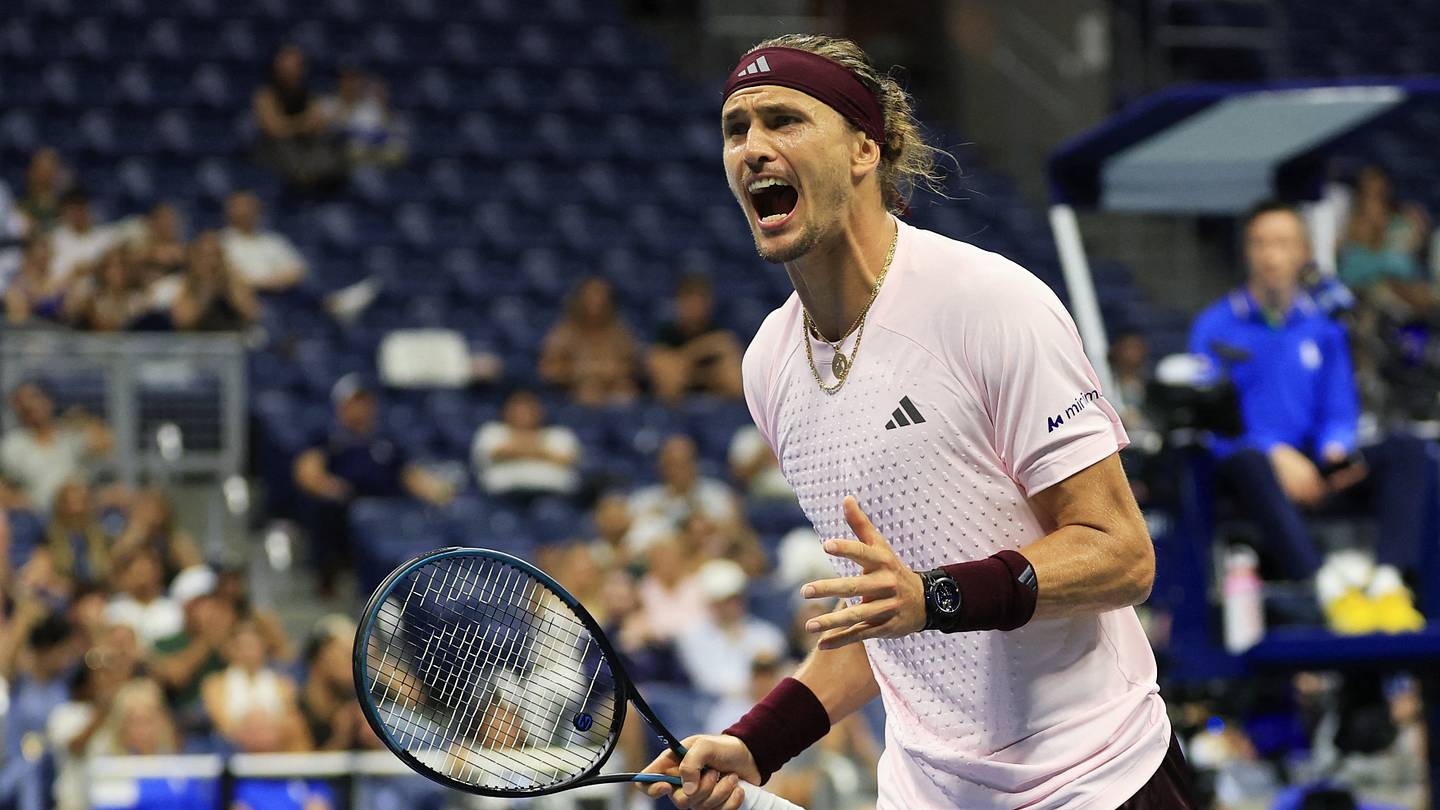
Alexander Zverev joins Trae Young, David Ortiz and Denis Potvin on the list of players this city loves to boo. He is used to it.
One win from a second slam
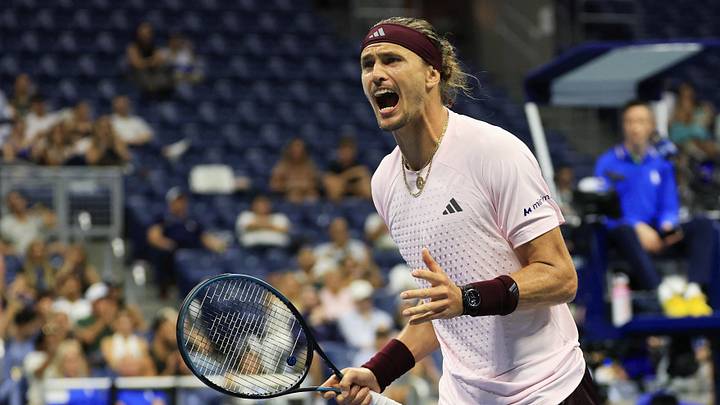
The top seed at the U.S. Open is chasing his second Grand Slam title of the year, and only Ben Shelton stands between him and the trophy.
Arthur Ashe picks a side
Shelton, 23, is trying to become the first American man to win the U.S. Open singles title since Andy Roddick in 2003. The crowd will not be neutral.
He said it himself
Zverev leaned into the role before the final, framing his own win as the thing standing in the way of an American story.
“Hopefully I cannot make the American Dream come true on Sunday.”
The routine makes it worse
Zverev's pre-serve ball bouncing has become its own storyline heading into Flushing Meadows, and it is not helping his reputation.
Khachanov says it out loud
After losing the semifinal in straight sets, Karen Khachanov openly criticized how long the German takes before he hits a serve.
“His ball-bouncing before the serve bothers a lot of players.”
Split-step, wait, repeat
Khachanov described getting ready, then having to reset as Zverev bounced another dozen times, forcing a second split-step on almost every point.
“You prepare yourself, then he bounces the ball another 12 times.”
Not the returner's job
Khachanov stopped short of calling it cheating. If Zverev runs over the limit, the chair umpire should call it, not the opponent.
“It's the chair umpire's responsibility to monitor that, not mine.”
What the rulebook actually says
Grand Slam rules give a player 25 seconds from the end of the last point to strike the first serve. Nothing limits how many bounces fit inside it.
The second serve loophole
There is no separate clock between first and second serve. The rulebook only asks that the second serve be struck "without delay," which is not a number.
Legal, and still infuriating
By the letter of the rules, Zverev's routine is clean. The question the final raises is whether the rules are drawn in the right place.
One warning, loud cheers
Zverev did draw a time violation from the umpire during Friday's semifinal, and the crowd enjoyed it more than he did.
Zverev pleads unconscious
Asked about the habit, he said he does not count bounces or aim for a number, and sometimes loses track entirely.
“I have no idea why. I'm not doing it on purpose.”
Highlights hide it
Clips and highlight packages edit the bouncing out, so the delay barely registers on TV. On court, opponents feel every second of it.
Roddick wants the rule changed
The 2003 champion says you cannot bounce 20-plus times between serves and then act surprised when matches end at 3 a.m.
“There needs to be a shot clock for the second serve.”
Buy back your time
Roddick's fix: give players a few seconds to start the second motion, but let a fast first serve bank the leftover time for later.
“If you start your first serve at 15 seconds, you get that added to your time between.”
Nadal and Djokovic did it first
Zverev is not the inventor. Nadal built a reputation on ritual fidgeting, and Djokovic, who lost in the first round this year, draws the same complaints.
Nadal hated the clock
When the Australian Open adopted the 25-second clock in 2017, Nadal said it would hurt the sport in tough conditions, even as he expected to adapt.
“Having a clock with 25 seconds playing in some extreme conditions you cannot have the best show possible.”
12,040 bounces, and counting
ESPN's tally through the semifinal is an estimate, but it marks the world No. 2 as a heavier offender than most, mind games included.
Shelton just has to live with it
No rule change arrives before Sunday, so the fix falls to Shelton: adapt to the rhythm, and use the crowd he already has.
At a glance
Tennis capped the time before a first serve but left the second serve unguarded, so a legal routine can still stall a match to 3 a.m.