From SI Mexico · · 2m
Streaming vs TV: Liga MX Centralizes as US Battles Fragmentation
Liga MX aims to centralize TV rights by 2028 while US debates 1961 sports broadcasting law's relevance amid streaming wars.
In brief
Liga MX aims to centralize TV rights by 2028 while US debates 1961 sports broadcasting law's relevance amid streaming wars. Liga MX centralizes TV rights to boost revenue and reduce club inequality, contrasting with US fragmentation trends. Originally reported by SI Mexico.
US Questions 1961 Law
The US government examines whether the 1961 Sports Broadcasting Act still applies as streaming platforms fragment sports content distribution.
“The US government examines whether the nineteen sixty-one Sports Broadcasting Act still applies as streaming platforms fragment sports content distribution.”
Streaming Alliance Forms
Amazon, Netflix, and YouTube announced the Streaming Access and Choice Alliance to challenge US broadcasting regulations.
1961 Law's Origin
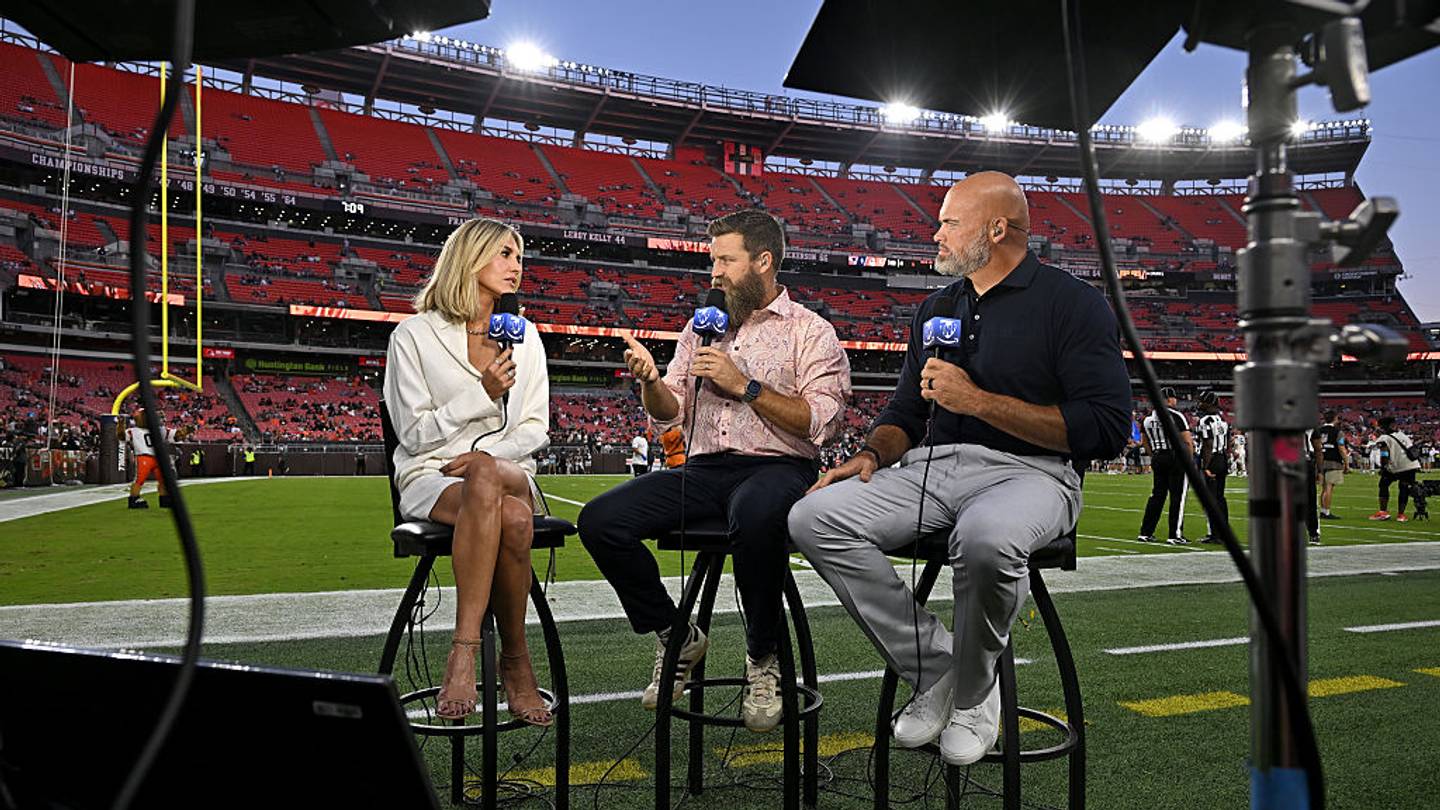
The 1961 Sports Broadcasting Act allowed US leagues to sell broadcasting rights collectively after courts found individual deals violated antitrust laws.
Fragmentation Problem
Streaming has caused sports content to fragment across ten platforms by 2025, increasing costs for viewers.
Streaming Platforms' Goal
Streaming services want direct league deals to maintain event exclusivity rather than individual team negotiations.
Broadcasters' Risk
Traditional broadcasters lose viewership as streaming platforms capture real-time sports audiences.
Liga MX's Plan
Liga MX will centralize TV rights for all 18 clubs by 2028 to increase revenue and reduce economic disparities.
Revenue Growth Example
Spain's La Liga grew from 845 million euros in 2014 to 3.6 billion euros today, while the Premier League increased from 900 million pounds in 2000 to 7 billion pounds.
Liga MX's Stance
Liga MX believes open television will remain part of the future model despite US fragmentation trends.
Mikel Arriola's Quote
Liga MX Commissioner Mikel Arriola stated centralizing TV rights boosts the league's value and revenue.
“Ya nos autorizó nuestro board (Consejo) a centralizar los derechos de televisión y eso da un nuevo empuje al valor de la Liga”
US Regulatory Shift
The FCC is reviewing whether the 1961 law still supports the current fragmented sports broadcasting market.
2028 Deadline
Liga MX plans to centralize TV rights for all 18 clubs by 2028 to address revenue gaps and club inequality.
Streaming vs Traditional
Streaming platforms compete with traditional broadcasters for exclusive sports content rights in the US market.
Here's the gist
Liga MX centralizes TV rights to boost revenue and reduce club inequality, contrasting with US fragmentation trends.