From Salon · Candice Frederick · · 2m
Harlem Renaissance debate lessons for Black art discussions
Documentary reveals how 1972 Harlem Renaissance figures debated Black art without algorithmic interference.
In brief
Documentary reveals how 1972 Harlem Renaissance figures debated Black art without algorithmic interference. Harlem Renaissance figures debated Black art in 1972 without social media's algorithmic interference, contrasting today's critical discussions. Originally reported by Salon.
Harlem Renaissance debate
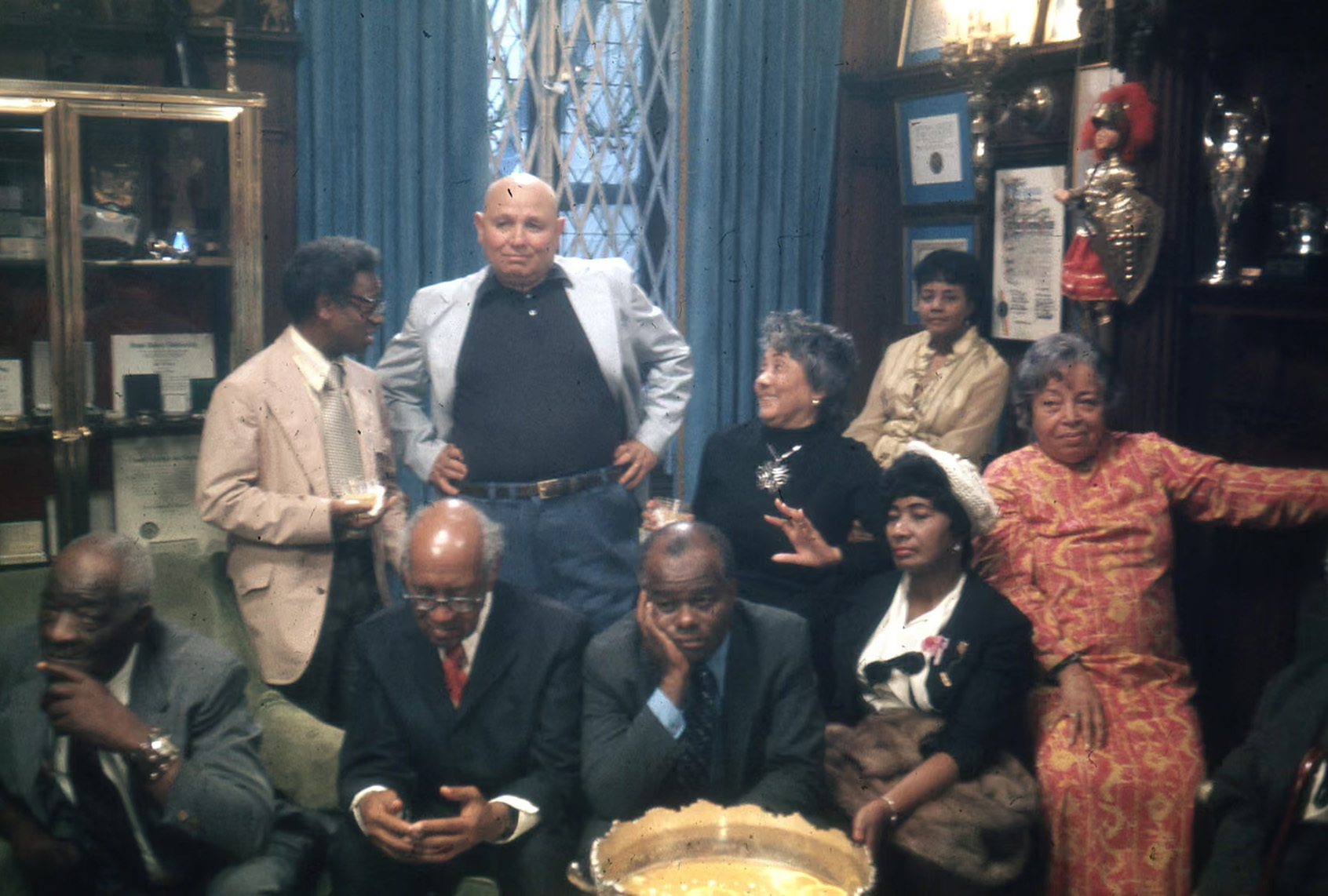
Documentary captures 1972 Harlem Renaissance luminaries discussing Black art and legacy at Duke Ellington’s townhouse.
“a mark of a civilized community”
1972 cocktail party discussion
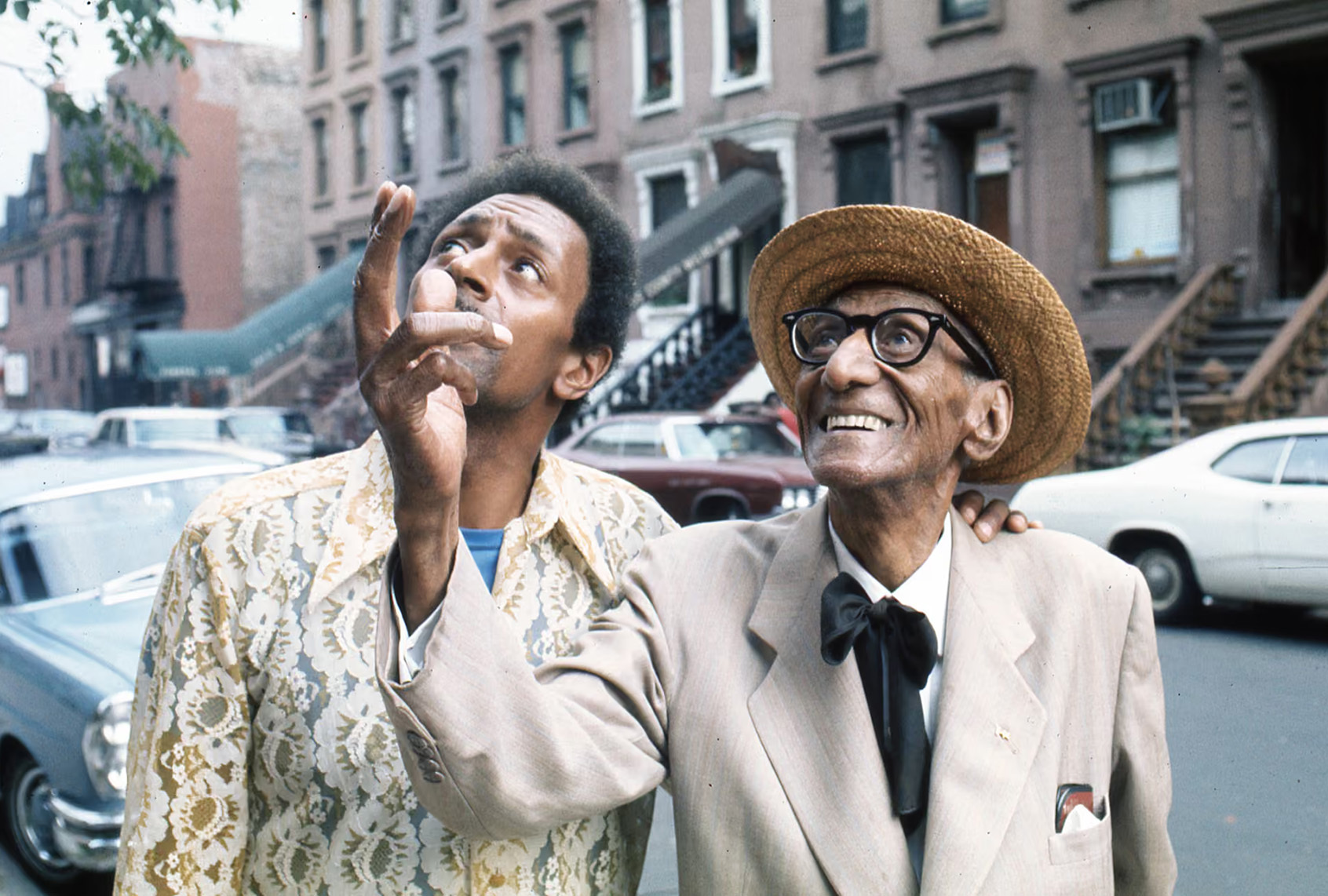
Pianist Eubie Blake, artist Romare Bearden, activist Louise Thompson Patterson, playwright Irvin C. Miller, journalist Gerri Major, and librarian Jean Blackwell Hutson debated Black art and politics.
Harlem Renaissance timeline debate
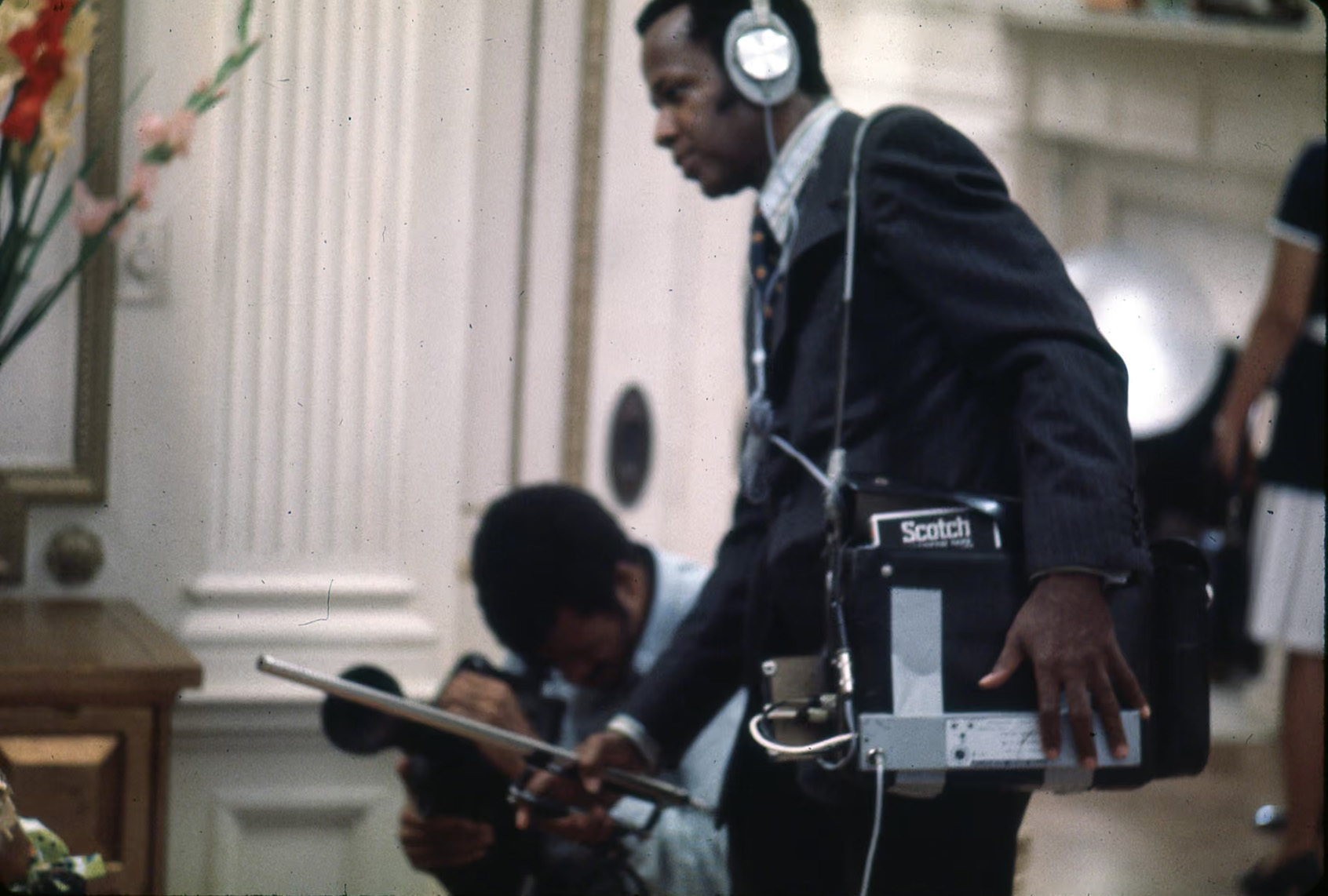
Some say Harlem Renaissance began in 1910s with Silent Protest Parade of 1917, others claim 1920s or 1930s as its peak.
Black art critique debates
Figures debated white influence on Black art, definitions of Black art, and Black artists' roles in white business establishments.
George Schuyler's perspective
Schuyler argued Black intellectual communities were essential for critical dialogue on art and politics during the Harlem Renaissance.
“a mark of a civilized community”
Social media critique today
Social media algorithms prioritize monetization over intellectual depth, leading to parasocial responses and antagonism in Black art discussions.
Content creator motivations
Content creators often demonstrate hierarchy by claiming 'most right' or 'most knowledgeable' to gain attention and monetization.
Harlem Renaissance vs. social media
Harlem Renaissance figures gathered in intimate spaces with shared interests, while social media assembles diverse audiences without shared context.
Critique of Black art today
Modern discussions focus on preserving Black art rather than critiquing it for its possibilities and potential.
Hollywood gatekeeping
Hollywood precludes greenlighting Black films until they ensure similar success at the box office.
White gaze critique
Critiques of Black art often center white expectations of presentability and respectability rather than artistic merit.
Critical debate spaces
Online spaces for critical debate exist but often lack the intellectual curiosity and humility that undergirds effective critical thinking.
Documentary's significance
Greaves' documentary shows how 1972 Harlem Renaissance figures engaged in thoughtful debate, contrasting today's algorithmic interference in critical discussions.
Future of Black art
Critical discussions must prioritize artistic merit over preservation to avoid self-aggrandizement and maintain the roadmap for future Black art.
At a glance
Harlem Renaissance figures debated Black art in 1972 without social media's algorithmic interference, contrasting today's critical discussions.