From Seattletimes · · 1m 30s
Scientists Test Deep-Rooted Soybeans for Climate Resilience
Deep-rooted soybeans may store more carbon and withstand climate extremes, researchers say.
In brief
Deep-rooted soybeans may store more carbon and withstand climate extremes, researchers say. Salk Institute scientists are testing deep-rooted soybeans to store more carbon and resist climate stressors, with field trials expected this fall. Originally reported by Seattletimes.
Salk scientists test deep-rooted soybeans
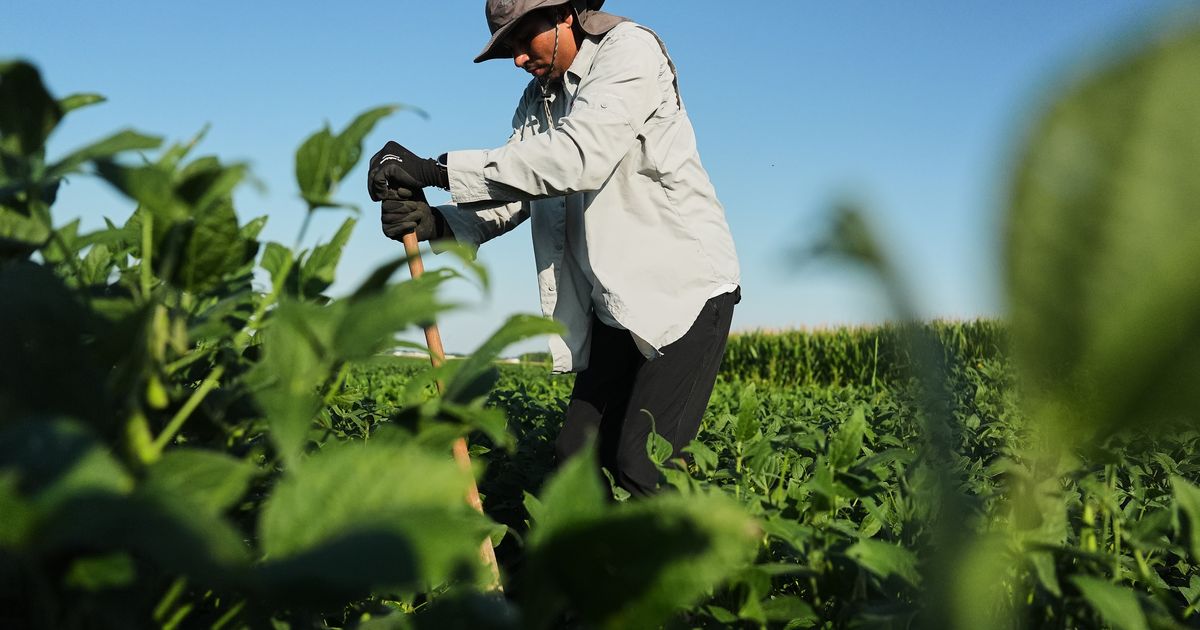
Researchers hope deeper-rooted soybeans can withstand climate extremes while storing more carbon from the atmosphere.
“We are actually steering in a direction that is very concerning”
Carbon storage potential
Deep-rooted soybeans could store an additional metric ton of carbon dioxide per hectare annually.
Field trials underway
Salk researchers are testing deep-rooted soybeans in drought conditions at University of Illinois Urbana-Champaign.
Genetic modifications
Scientists edited soybean DNA to create roots that penetrate soil deeper than typical plants.
Carbon storage benefits
Deeper roots may store carbon farther underground, reducing release when fields are tilled.
Drought resistance
Deep-rooted plants access water below the top soil layer during droughts.
Carbon storage duration
How long carbon stays stored depends on root depth and soil conditions.
Field testing locations
Salk researchers are testing deep-rooted soybeans in Illinois, Missouri, Kansas, and Iowa.
Adoption challenges
Farmers are reluctant to adopt new crops without evidence they won’t cause disease or heat issues.
Funding for research
An $18 million grant from the Bezos Earth Fund supports field testing of deep-rooted soybeans.
Carbon removal potential
Deeper-rooted crops could remove 1 gigaton of carbon dioxide annually by 2040.
Systemic adoption barriers
Crop adoption depends on seed companies, subsidies, and farmers’ decisions, not just technology.
The key point
Salk Institute scientists are testing deep-rooted soybeans to store more carbon and resist climate stressors, with field trials expected this fall.