From Sky Sports · · 3m
Women's Football Stadiums: Home Grounds vs. Purpose-Built Futures
How WSL teams balance home ground challenges with the push for purpose-built stadiums to grow fan engagement and revenue.
In brief
How WSL teams balance home ground challenges with the push for purpose-built stadiums to grow fan engagement and revenue. Purpose-built stadiums could boost women's football by creating dedicated fan experiences and revenue streams, but current ground-sharing models still serve most teams. Originally reported by Sky…
Groundsharing in Women's Football
Many WSL teams share grounds with men's teams or other sports, creating logistical and fan experience challenges.
Arsenal's Emirates Strategy
Arsenal play all WSL games at Emirates Stadium but use Meadow Park for cup matches, focusing on fan engagement through 'Block by Block' initiatives.
Chelsea's Stamford Bridge Move
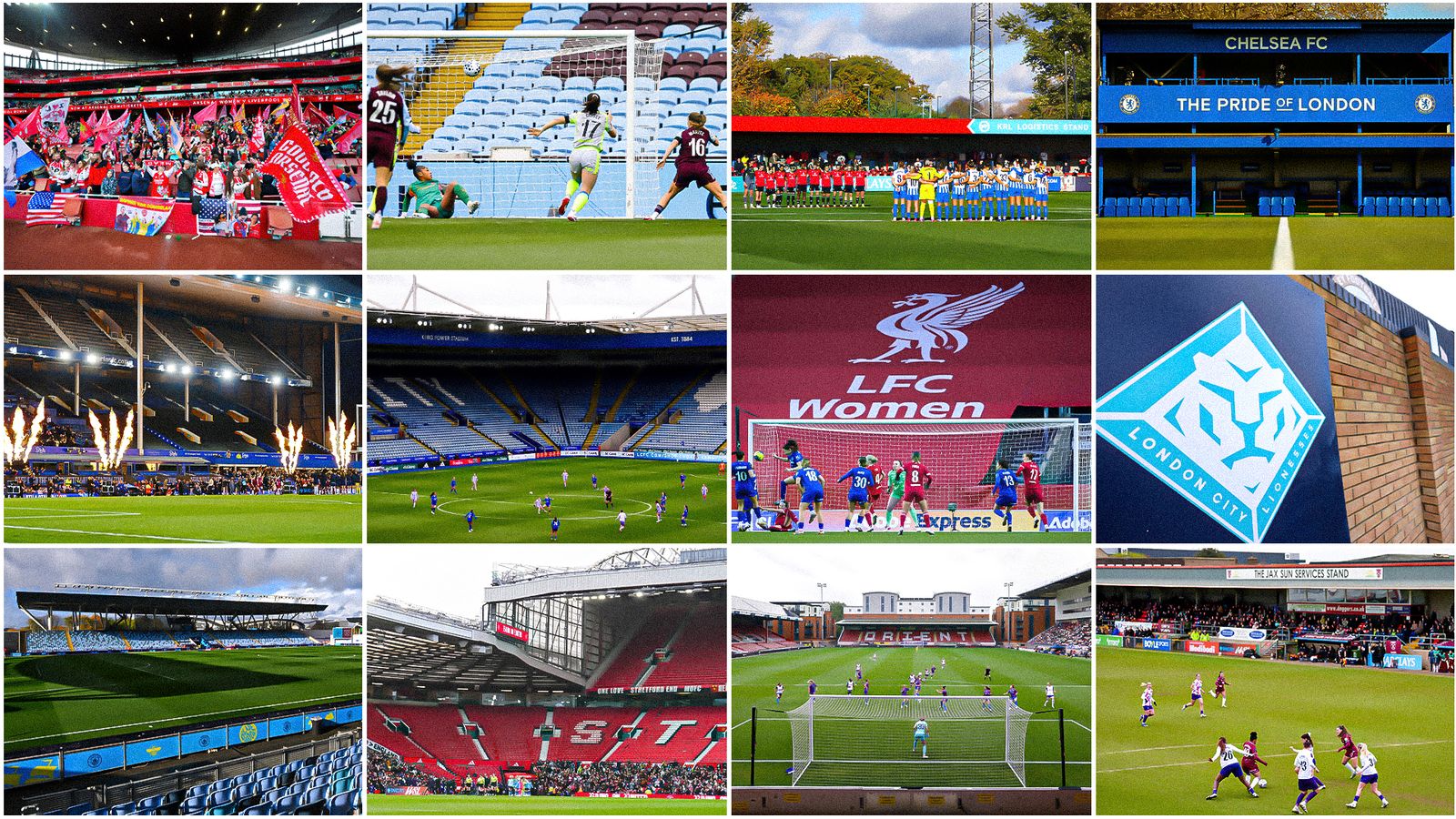
Chelsea will play all WSL matches at Stamford Bridge from 2026/27 after leaving Kingsmeadow, aiming to boost fan atmosphere and visibility.
London City Lionesses' Challenge
London City Lionesses played at The Den due to fixture changes, causing fan backlash over perceived 'stealing' Millwall's position in women's football.
West Ham's Stadium Dilemma
West Ham cannot host women's matches at London Stadium due to high hosting fees, but have enjoyed success at Chigwell Construction Stadium.
Aston Villa's Home Advantage
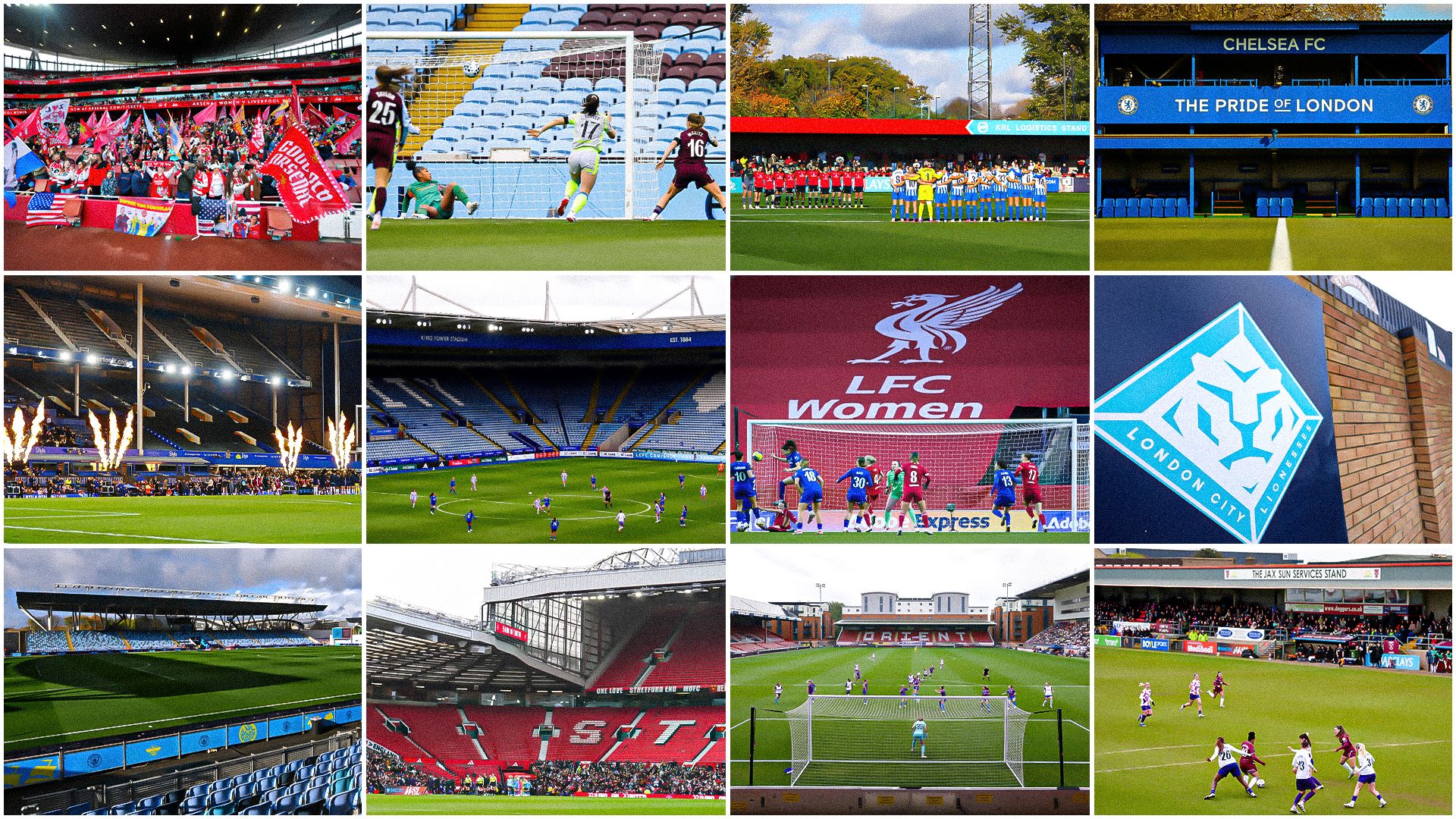
Aston Villa play all games at Villa Park, with head coach Natalia Arroyo emphasizing fan engagement and creating a 'special' atmosphere.
Everton's Goodison Park Transition
Everton moved women's team to Goodison Park with pink-themed branding, family-friendly facilities, and a focus on player comfort.
WSL Fan Spending Trends
WSL fans spend £144.70 per match on average versus £138 for Premier League fans, driving local economic activity.
Alcohol Trial Impact
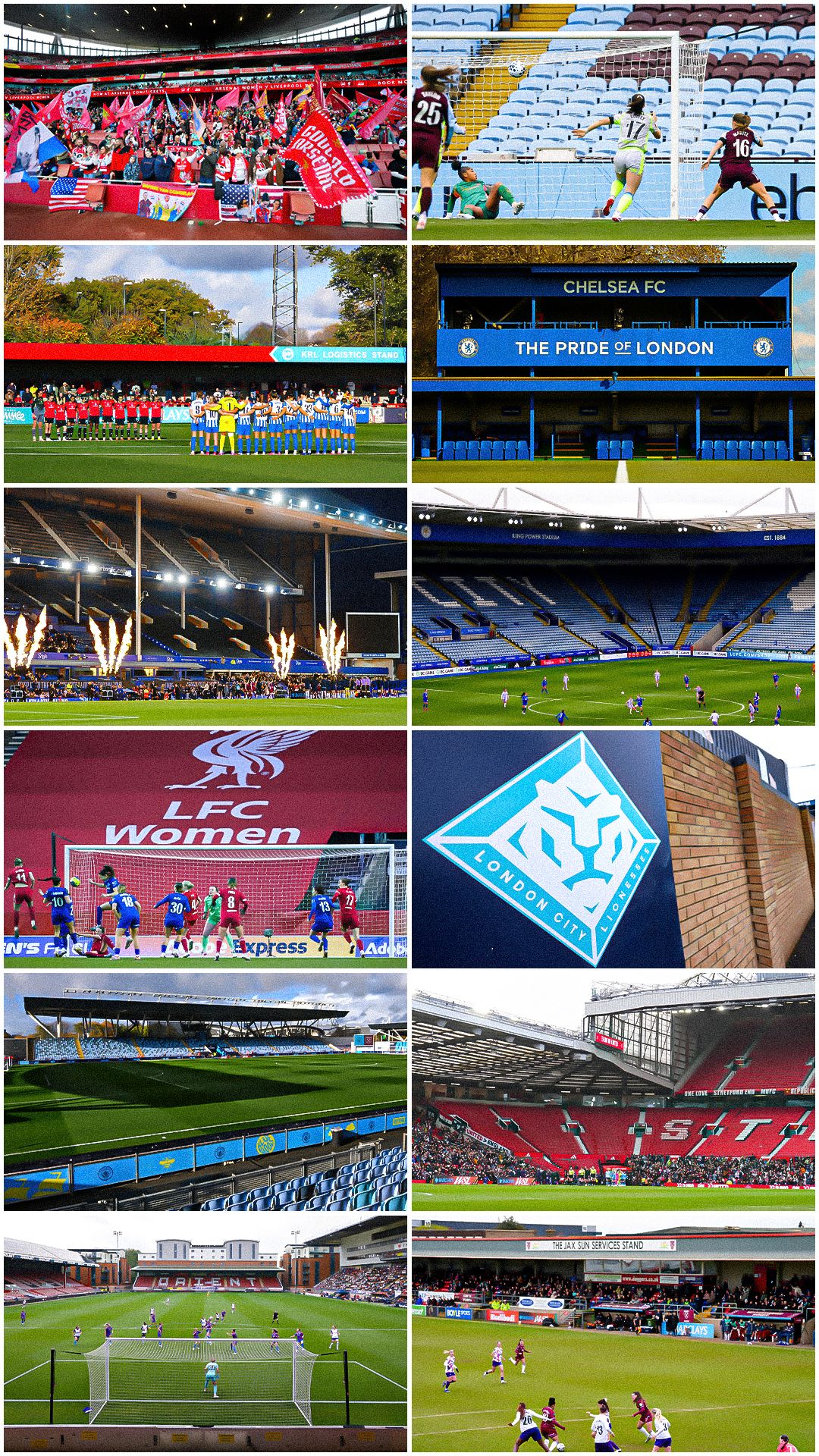
WSL introduced alcohol in stands for 15 clubs, with 70% of fans supporting the move and no negative impacts on safety or behavior.
Brighton's New Stadium
Brighton plans a purpose-built stadium with 10,000 capacity by 2030/31, focusing on right-sizing for women's football growth.
KC Current's Success
KC Current in Kansas City sold out every home game at CPKC Stadium, creating a community hub with no financial barriers.
Funding Challenges for Women's Stadiums

KC Current faced 40 bank rejections before securing funding, highlighting the lack of investment in women's sports infrastructure.
Stadium Construction Speed
KC Current's CPKC Stadium took 18 months to build, opening in March 2024, faster than their lease at Sporting Park.
NWSL's Infrastructure Shift
Denver Summit will open a purpose-built stadium in 2028, following KC Current's lead in women's sports infrastructure.
Fan Experience Differences

Women's stadiums prioritize family-friendly spaces, inclusive facilities, and closer fan interactions compared to men's stadiums.
WSL Guidelines for Stadiums
WSL published new stadium guidelines focusing on female-friendly changing rooms, family spaces, and safety for women's fans.
What matters most
Purpose-built stadiums could boost women's football by creating dedicated fan experiences and revenue streams, but current ground-sharing models still serve most teams.