From Slate Magazine · Fred Kaplan · · 1m 40s
Bob Woodward's Secrets Revealed
Bob Woodward shares his sources and childhood trauma behind his Watergate reporting.
In brief
Bob Woodward shares his sources and childhood trauma behind his Watergate reporting. Bob Woodward reveals his childhood trauma and sources for his Watergate reporting in memoir. Originally reported by Slate Magazine.
Childhood Trauma
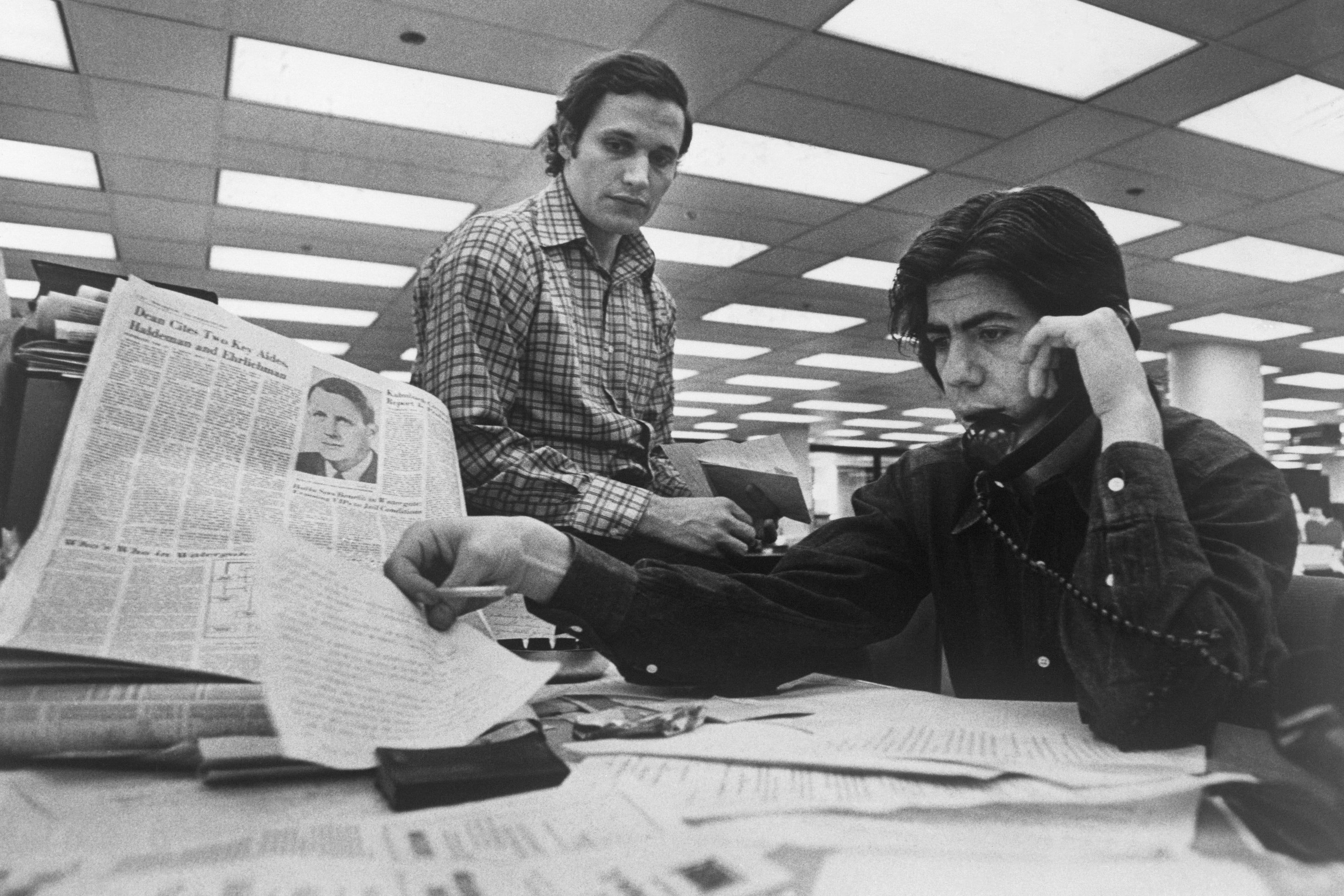
Woodward saw his parents kiss at age 11, causing him to become a snoop.
“Not just a peck but a deep movie kiss between lovers”
Early Reporting
Woodward worked nights as a janitor in his father's law office to snoop on case files.
“the hard ugly controversies in people's lives”
Watergate Breakthrough
Woodward discovered Nixon's taping system through Alexander Butterfield's memo.
“Nixon had a taping system in the White House”
Deep Throat Connection
Woodward met Mark Felt, the FBI deputy director who became Deep Throat.
“Deep Throat”
Childhood Trauma Impact
Woodward's fear of nuclear war and childhood trauma shaped his reporting career.
“which still keeps me up at nights”
Harvard Law School
Woodward was accepted by Harvard Law School but couldn't afford tuition.
“He was accepted by Harvard Law School”
Washington Post Job
Woodward got a job at the Washington Post after a two-week trial with Harry Rosenfeld.
“He washed out, See, you don't know how to do this”
Source Strategy
Woodward uses his fame to persuade sources to share information with him.
“Bob thinks in Republican terms so when he approaches a Republican for an interview”
Political Bias
Woodward admires Republican figures like Colin Powell and Bob Dole despite their flaws.
“the only person I interviewed who I believed had the potential to be a great president”
Watergate Legacy
Woodward's reporting led to Nixon's resignation through Watergate tapes.
“without which he probably would not have been forced out of office”
Self-Reflection
Woodward admits his lack of analysis skills but tries to connect his past and present.
“I am just not capable, and this is a grave fault, of taking A, B, C, and D, and saying, 'OK, now 'E.'”
Childhood Trauma
Woodward's childhood trauma influenced his fear of nuclear war and reporting style.
“which still keeps me up at nights”
Reporting Legacy
Woodward is considered one of the most consequential American reporters of the last 60 years.
“probably, along with Seymour Hersh, the most consequential American reporter”
Conclusion
Woodward remains a reporter to uncover what others hide, despite his flaws.
“What are the bastards hiding?”
The one thing
Bob Woodward reveals his childhood trauma and sources for his Watergate reporting in memoir.