From Slate Magazine · Alison J. Stein · · 3m
Doctors Use AI Translation Tools Risking Patient Safety
Doctors use AI translation tools for patient communication but risk serious errors in critical medical instructions.
In brief
Doctors use AI translation tools for patient communication but risk serious errors in critical medical instructions. AI translation tools for medical instructions cause misunderstandings that can lead to patient harm, as shown by a study comparing machine and human translations. Originally reported by Slate Magazine.
Stephen Hibbs' Albanian Patient Death
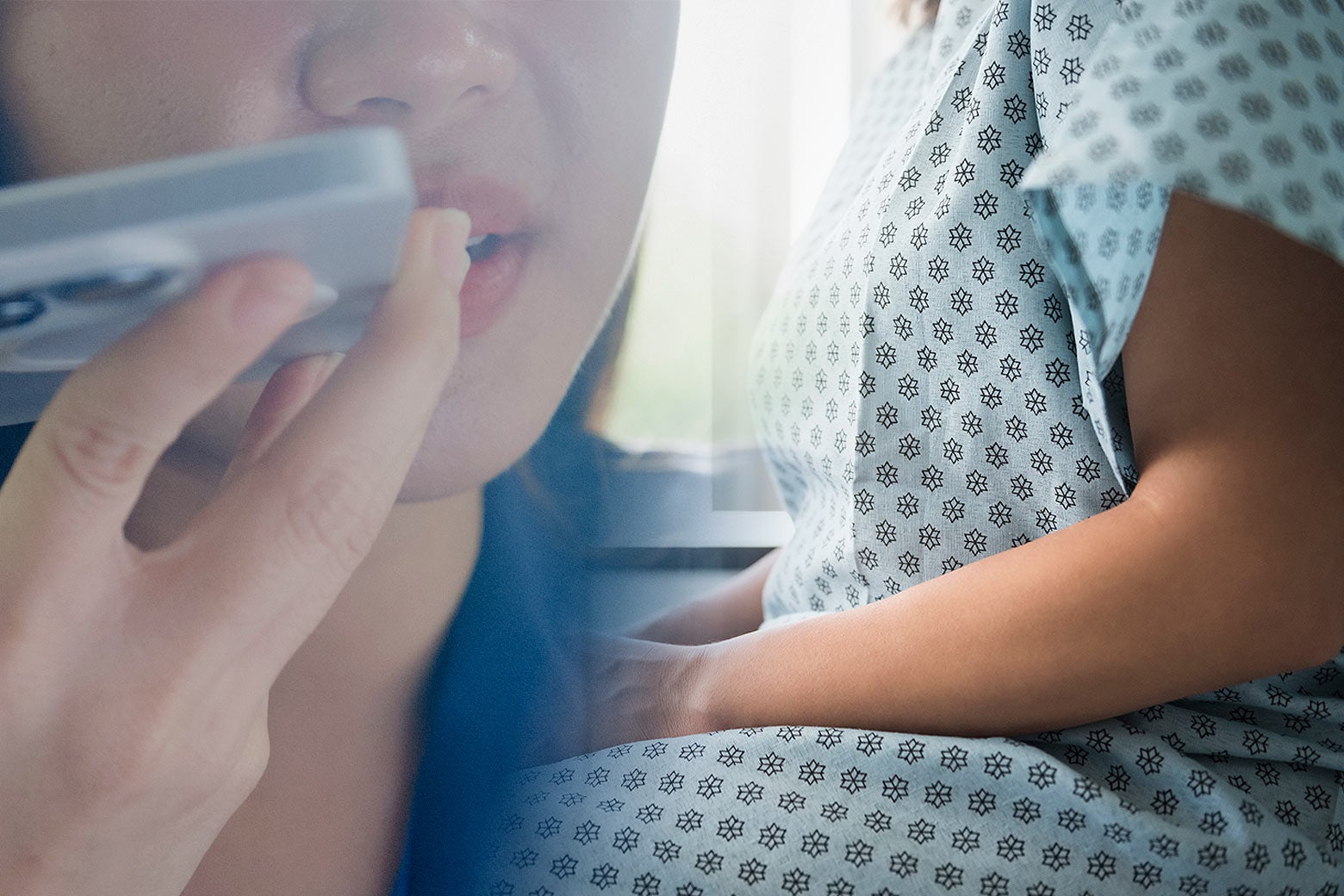
Stephen Hibbs, a blood-cancer specialist, believed AI could have saved his patient after a young Albanian man died following a bone marrow transplant in East London.
“He was discharged with a complex postsurgery medication regimen to keep his immune system in check and prevent infection, one that had to be followed perfectly.”
Language Barriers in Healthcare
Patients and doctors struggle to communicate about symptoms, treatment options, and risks when language differences exist, increasing medical error risks.
“Even when everyone speaks the same language, patients and doctors struggle to communicate about symptoms, treatment options, and risks.”
AI Translation Tools in Healthcare
Generative AI tools like ChatGPT and translation apps such as Google Translate promise to bridge language gaps but introduce new risks in medical settings.
“With the rise of generative artificial intelligence tools like ChatGPT and translation apps like Google Translate, healthcare providers have what seems like a cheap and easy way to bridge the gap in their lab coat pockets.”
Limited English Proficiency in U.S.
27 million Americans have low English proficiency, yet the U.S. translation and interpretation profession numbers just under 74,000, according to the Bureau of Labor Statistics.
“Some 27 million Americans have low English proficiency, yet the entire U.S. translation and interpretation profession numbers just under 74,000, including plenty of people who work in non-healthcare specialties.”
Trump's English Only Policy
President Donald Trump's 2025 executive order to make English the U.S. official language worsened language access issues for healthcare providers.
“When President Donald Trump proclaimed English the U.S.’s official language in 2025, these issues worsened.”
LEP.gov Website Closure
The LEP.gov website, which provided resources for people with limited English proficiency, has been a husk for over a year with only links to Trump's executive order and a memo.
“The single page that remains has a link to Trump’s 'English Only' executive order.”
AI Translation in Emergency Care
A Denver emergency room patient with limited English returned after a heart attack due to confusing Spanish translation of discharge instructions.
“A patient arrived at a Denver emergency room one night terrified that he was having a heart attack.”
Doctor's Use of AI Translation
Doctors use AI translation tools like Google Translate to quickly translate patient instructions, despite risks of errors.
“Whenever his patients spoke a language he didn’t speak, 'I did what everybody else would do: copy, paste, throw it onto Google Translate and hope that it was somewhat accurate.'”
AI Translation Errors in Medicine
AI translation tools make critical errors in medical instructions, such as mistranslating 'hold' to mean 'adhere to medication' instead of pausing.
“A mistranslation of that 'hold' instruction as 'adhere to your medication' dangerously reverses the meaning.”
Study on AI Translation Accuracy
A study comparing AI and human translations of myeloma treatment instructions found AI scored 51 out of 100 while human translations scored 73.
“Out of a possible 100 points on a scale used by the Chartered Institute of Linguists, the human version scored a 73, losing points mainly on points of language and clarity.”
AI Translation Risks in Practice
AI translation tools cause misunderstandings in medical instructions, leading to patient harm, as seen in a 2025 study of pediatric ER scenarios.
“In a 2025 study of pediatric emergency room scenarios in the journal BMC Health Services Research, a model mistranslated a verb from Urdu, so a description of a child’s liquid intake read like the child had consumed alcohol.”
Cultural Differences in AI Responses
AI models respond differently to prompts in English versus Chinese, emphasizing individualism versus relationships in their responses.
“In English, the models tended to favor more individualistic and analytical responses, while in Chinese, they placed greater emphasis on relationships and broader context.”
Stephen Hibbs' Study on AI Translation
Stephen Hibbs and Federico M. Federici found AI translations of myeloma treatment instructions had significant errors that could harm patients.
“For the version translated by A.I., a research team member who did not speak Bengali put it through Google Translate.”
Human Review Essential for Safety
Human review is necessary to ensure accurate medical translations, as AI tools alone can cause dangerous misunderstandings.
“Without human review, 'I would not use an A.I. tool, even if there was no other alternative.'”
Consequence of AI Translation Use
Using AI translation tools without human review risks patient harm, as seen in the Albanian patient's death and other medical errors.
“In almost every case, it’d be better to avoid the surgery than to expose the patient to the risk of a botched operation.”
The key point
AI translation tools for medical instructions cause misunderstandings that can lead to patient harm, as shown by a study comparing machine and human translations.