From Slate Magazine · N.C. Stevens · · 4m
How Prohibition Created the Margarita
The iconic cocktail wasn't invented by one bartender, but born from American drinkers fleeing Prohibition into Mexican border towns.
In brief
The iconic cocktail wasn't invented by one bartender, but born from American drinkers fleeing Prohibition into Mexican border towns. The margarita emerged during Prohibition as Americans seeking legal drinks in Mexico mixed with local bartenders and ingredients, creating a cross-border culinary tradition that produced…
The margarita's mysterious origins
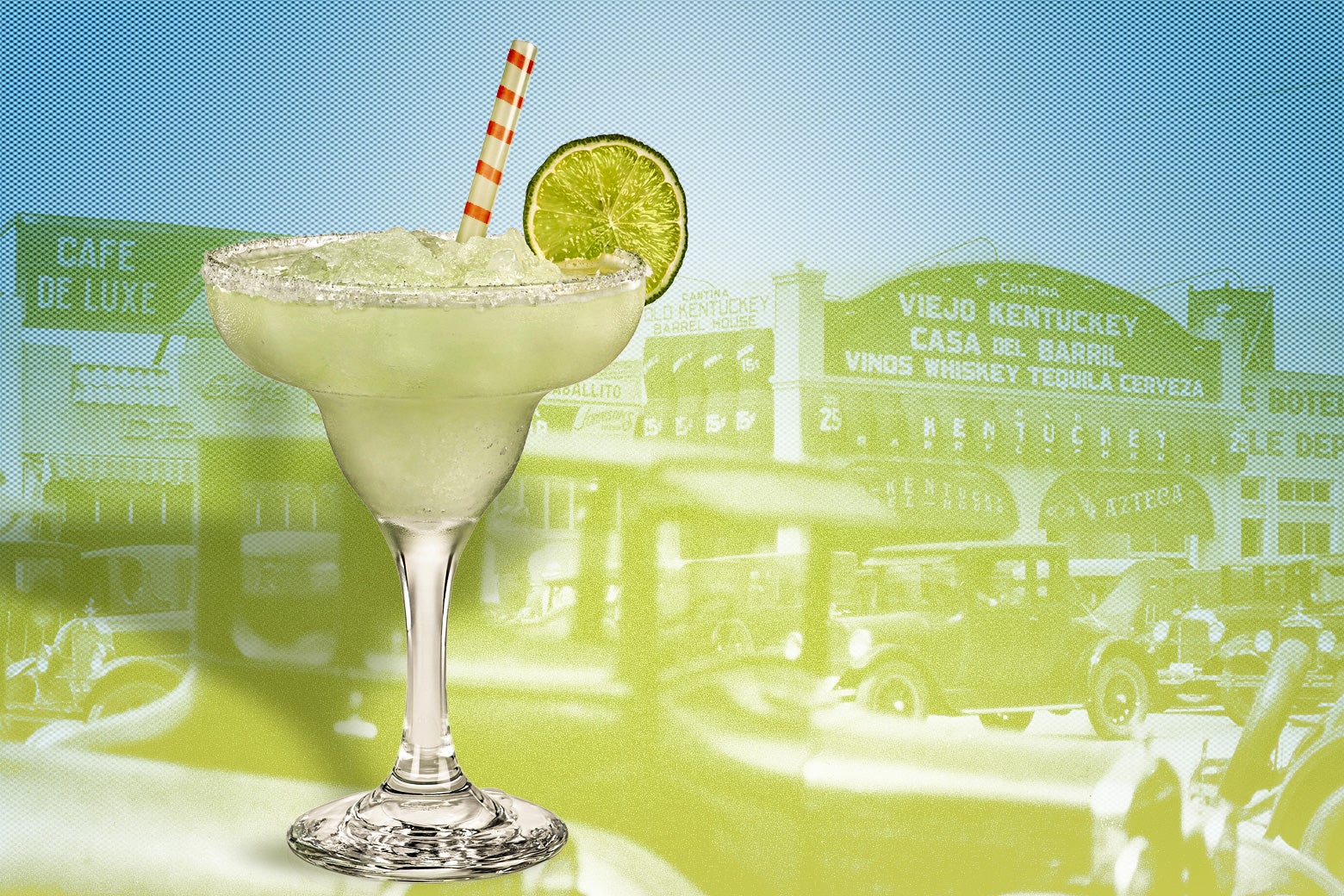
The margarita is beloved at American bars, but its true origin has been debated for 90 years. Lime juice, orange liqueur, and tequila make up this simple, citrusy cocktail.
“Lime juice, orange liqueur, and tequila. For the devout mixologist, these make up la Santísima Trinidad.”
Danny Herrera's disputed claim
When barman Danny Herrera died in 1992, obituaries credited him with inventing the margarita in the late 1940s. But this origin story was quickly challenged.
Hussong's Cantina's competing story
The San Diego Reader debunked Herrera's claim, citing evidence that the drink was invented at Hussong's Cantina in Ensenada, Mexico as early as 1940 by bartender Carlos Orozco.
The tequila daisy connection
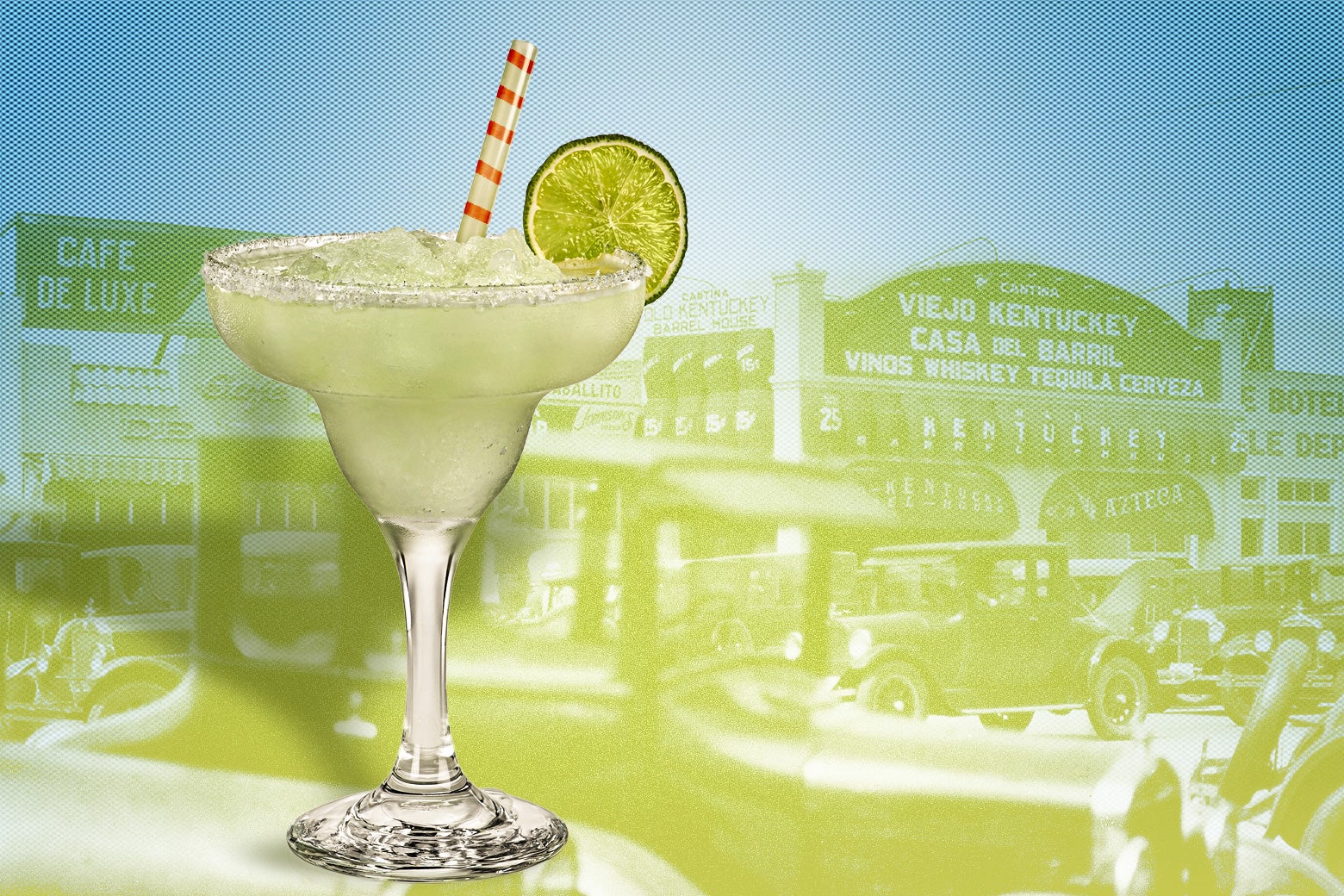
Cocktail historian David Wondrich found a 1936 newspaper mention of a tequila daisy served in a Mexican bar. Margarita is Spanish for daisy, suggesting an earlier origin.
Daisies and sours explained
A daisy cocktail combines spirit, citrus juice, and sweet liqueur. The modern margarita is essentially a tequila daisy, while the Tommy's Margarita is a tequila sour.
Prohibition created the conditions
Both the tequila daisy and tequila sour were actually popularized during American Prohibition in the 1920s, when Americans fled to Mexican border towns for legal drinks.
Border towns became drinking havens
During Prohibition, Mexican cities like Tijuana, Ciudad Juárez, and Mexicali opened bars and cafés catering to Americans seeking legal cocktails. Gambling and vice flourished alongside culinary innovation.
Caesar Cardini's Tijuana restaurant
Italian restaurateur Caesar Cardini opened a Tijuana café in the 1920s to serve American drinkers. He's believed to have invented the Caesar salad there in 1924, attracting famous guests like Julia Child.
Cardini's business model
Cardini drew Americans with spaghetti-eating contests, cabaret performances, and publicity stunts. When Prohibition ended and gambling was cracked down on, his business collapsed and he moved to San Diego in 1936.
A boom in Mexican establishments
Social clubs like the Kentucky Club, Foreign Club, and Aloha Club opened on the border, advertising in American newspapers. New breweries, wineries, and distilleries sprang up to supply them.
The tequila sour in 1923
A 1923 San Antonio Light article mentioned a tequila sour in quotation marks, suggesting it was slang among the in-the-know crowd during the Jazz Age.
Polo horses named after cocktails
In 1927, a prominent American named George Howard Earle III named his polo horses Tequila Daisy and Palome, suggesting he'd encountered these cocktails during his time in Mexico.
Cocktails came to Mexico from America
The cocktail tradition itself was American. It arrived in Mexico after the U.S. military occupation of Mexico City in 1847 and 1848, when soldiers drank rye whiskey and Tom and Jerry cocktails.
American barmen in 1890s Mexico
By the 1890s, American bartenders were experimenting with tequila cocktails in Mexico. An 1891 Mexico City newspaper noted that tequila mixed by skilled barkeepers created several palatable drinks.
Mexican resistance to cocktails
A Mexican doctor complained in 1899 that American bars made drinking fashionable among young men, corrupting traditional tequila consumption. American barmen became a negative stereotype.
Mass deportations during revolution
During the Mexican Revolution, the government deported Americans en masse under Article 33 of the 1917 Constitution. Most deported Americans were bar owners.
Prohibition reversed the trend
Despite efforts to purge American barmen, Prohibition brought the greatest influx of American restaurateurs and bar owners to Mexico. The 1920s familiarized Americans with tequila and citrus combinations.
A cross-border culinary tradition
The margarita's real origin mirrors the Caesar salad's. Both emerged when American merrymakers took up residence south of the border, mixing with local ingredients and bartenders.
American Mexican versus Tex-Mex
The margarita represents American Mexican cuisine, a cross-border tradition distinct from Tex-Mex. It reflects how two countries and cultures collaborated to produce remarkable culinary results.
The beauty is in the mixing
Whether made with salt or sugar, Cointreau or agave syrup, the margarita proves that U.S. and Mexican collaboration produces delectable results. The history of this cocktail shows what's possible when cultures mix.
“The beauty of mixology is in the mixing.”
The big picture
The margarita emerged during Prohibition as Americans seeking legal drinks in Mexico mixed with local bartenders and ingredients, creating a cross-border culinary tradition that produced both the margarita and the Caesar salad.




/file/attachments/orphans/outlaw-bikers-caryn_126773.jpg)