From Slate Magazine · Sam Adams · · 4m
John Wilson's Concrete Movie Breaks the Hallmark Formula
The How to With John Wilson director talks about making his debut feature, pitching to skeptical executives, and why boredom is essential to his creative process.
In brief
The How to With John Wilson director talks about making his debut feature, pitching to skeptical executives, and why boredom is essential to his creative process. Wilson built his feature film by shooting 99 percent himself, layering found footage into a narrative that subverts Hallmark movie conventions while…
From HBO series to feature film
After How to With John Wilson ended, director John Wilson pitched a movie about concrete to skeptical executives while billboards for his show still hung in Times Square.
The Hallmark movie detour
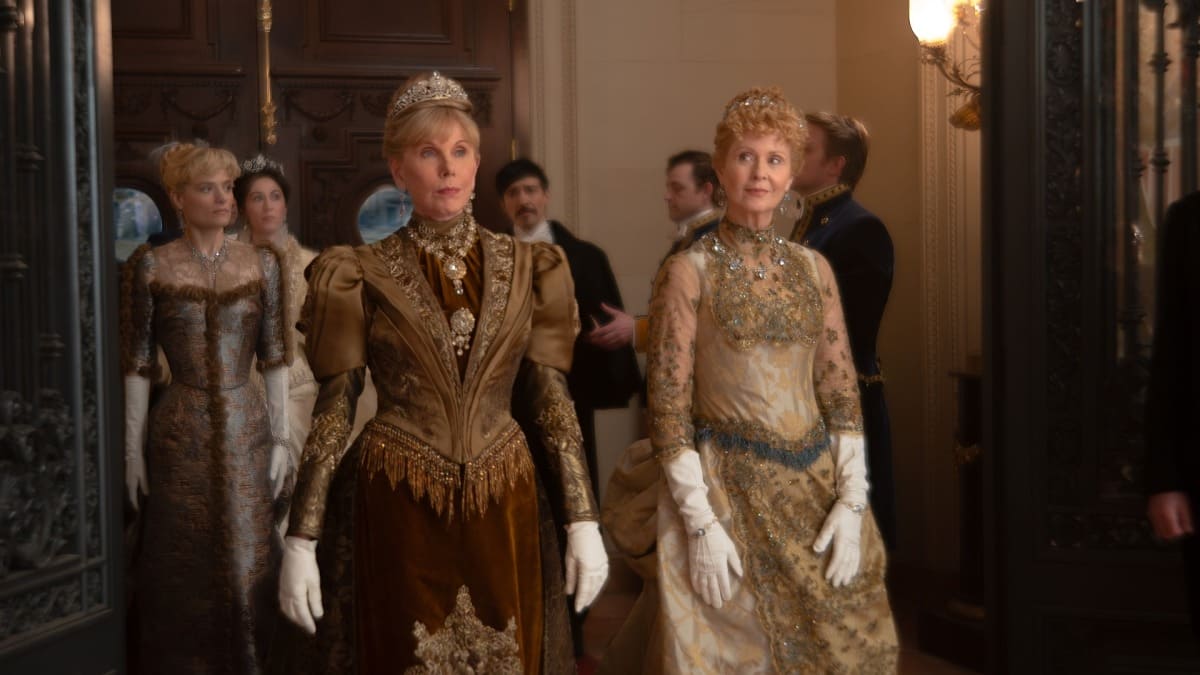
Wilson attended a Writers Guild seminar on Hallmark holiday movie formulas, then visited the studio where they're shot to understand the tried-and-true structure before deliberately subverting it.
A wandering investigation

The film jumps from ancient Roman concrete techniques to a man who blasts gum off New York sidewalks to cameos by Timothée Chalamet and Jacob Elordi on the set of Marty Supreme.
Concrete holds cities together
Wilson explores how infrastructure literally and figuratively binds urban communities, while also examining affordable housing, artificial intelligence, and art sustainability in hostile cities.
Shooting 99 percent solo
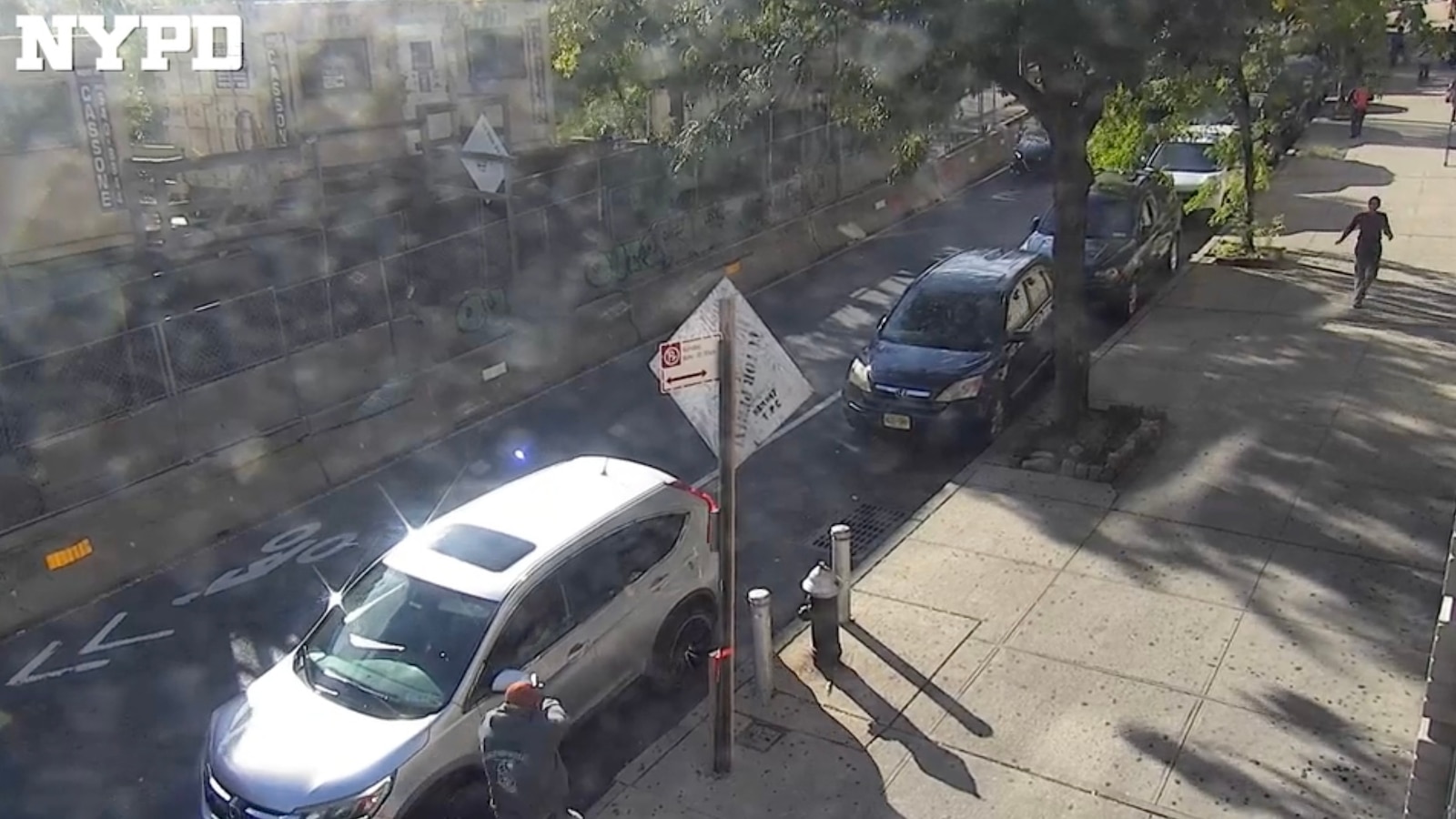
For A History of Concrete, Wilson shot almost everything himself, rebuilding his archive from scratch since HBO owns footage from his series. Only his friend Nelly filmed a few sequences.
Capturing disappearing beauty

Wilson never plans how footage will be used. Instead, he films beautiful things before they vanish, then builds narratives around the material he's collected.
“this beautiful thing in front of me is disappearing, I need to capture it before it does”
Outrunning his own boredom
Wilson avoids reusing old material because it feels stale. He constantly rebuilds his archive for each project to stay creatively engaged and avoid repeating himself.
What makes an image work
Wilson looks for images grounded in reality but unexplainable and vague enough that viewers can project their own meaning onto them. Signage is especially useful for building unexpected sentences.
Editing as magic trick
Wilson conducts long interviews covering six different topics, then uses only the parts that support his narrative. This careful crafting makes coincidences feel like conspiracy theories.
The DMX connection
Wilson included an early reference to DMX's Christmas album, then discovered a character had a direct connection to DMX. He added the early mention afterward to create the illusion of foreshadowing.
Recording without permission
Wilson included Zoom calls with executives pitching his film, blurring some faces. He didn't ask permission to record, though he got approval from his agency to use the footage.
The street photographer mindset
Wilson operates with a street photographer's mentality, capturing whatever he wants without worrying about legal repercussions. He believes the best art and comedy exist on the edge of what's acceptable.
Transitions as lazy river
Wilson uses voiceover and intuitive editing to guide audiences between seemingly unrelated scenes. A cab driver at Sundance compared watching the film to floating down a lazy river.
“It's like being on a lazy river. It doesn't matter. You're just going from one thing to the next.”
Hallmark rules are made to break
Wilson learned that Hallmark movies can't mention Jesus or Christianity and can't interrupt kisses with phone calls. He spent most of the film embracing and subverting these rules in equal measure.
Shadow mayor of New York
Wilson worked with city official Zohran Mamdani on scaffolding and now the Brooklyn-Queens Expressway. He joked about being the shadow mayor while acknowledging the complex politics around infrastructure.
“Exactly, I'm the shadow mayor.”
How artists actually survive
Wilson discusses his unexpected career as a landlord and offers specific rent figures, arguing that cinema programs should teach how artists actually make money instead of hiding financial realities.
Money doesn't drive the work
Wilson makes art to make it, not for financial reward. If the market finds value in his work, that's a bonus, but he'd continue creating regardless of commercial success.
“You can just draw a continuous line from when I started making this work until now, and that's because I am just making it to make it.”
New York as creative home base
Wilson feels most comfortable starting projects in New York because he knows the rules and rhythms of the city. He tried Rome for this film but struggled without speaking Italian.
Boredom as creative fuel
When Wilson gets bored, he starts filming. Boredom is part of his creative process, pushing him to explore and discover new material in any city.
“When you're bored, then it's like, what am I going to do? And then you just start filming stuff.”
The main idea
Wilson built his feature film by shooting 99 percent himself, layering found footage into a narrative that subverts Hallmark movie conventions while exploring infrastructure, art survival, and urban life.