From Slate Magazine · Nadira Goffe · · 2m
Netflix's New Stanford Prison Experiment
Netflix's reimagined Stanford Prison Experiment turns out to be reality TV, not psychological insight.
In brief
Netflix's reimagined Stanford Prison Experiment turns out to be reality TV, not psychological insight. Netflix's six-episode adaptation of the Stanford Prison Experiment is a reality TV show that doesn't reveal power dynamics but follows expected patterns. Originally reported by Slate Magazine.
Original Stanford Prison Experiment
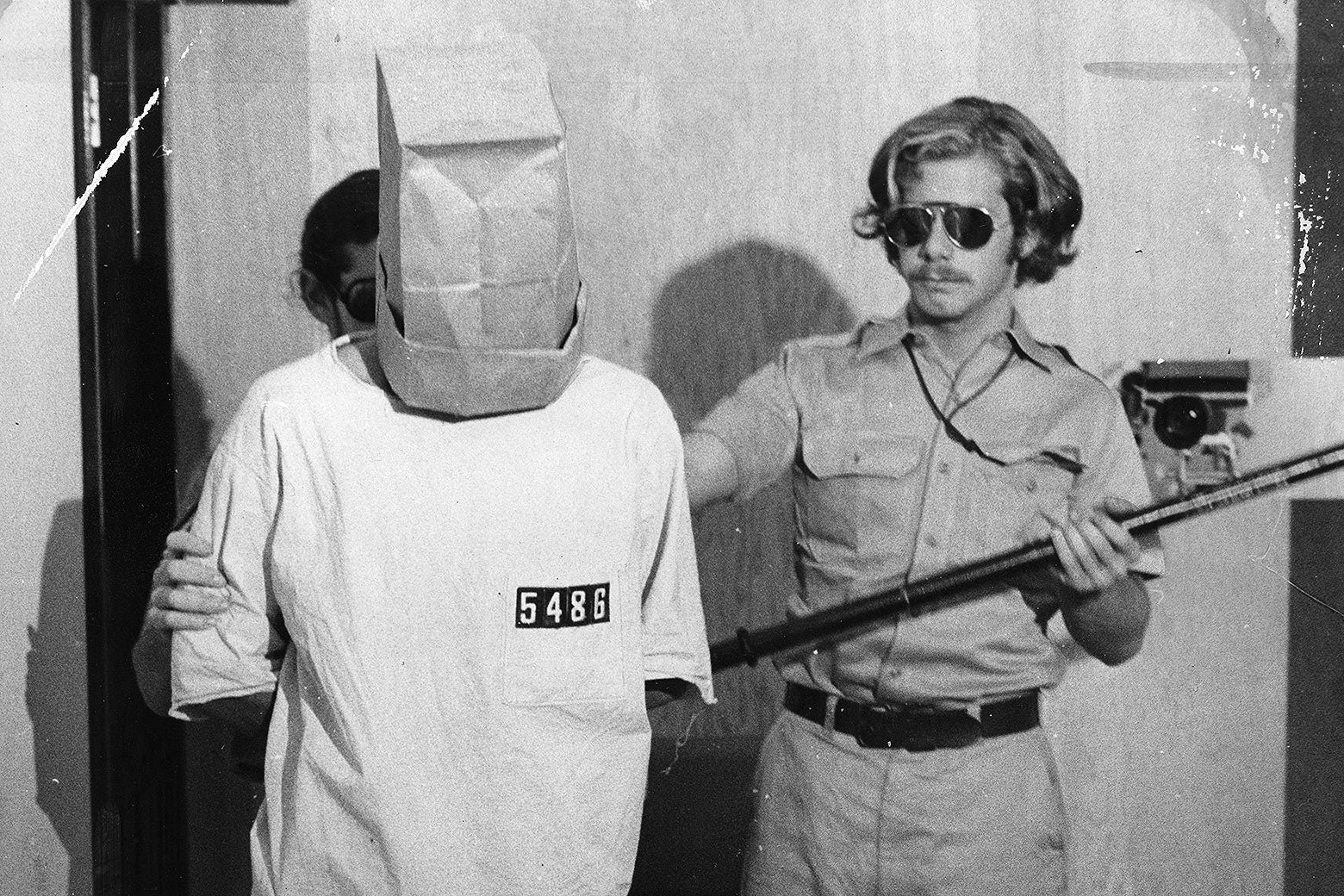
In August 1971, 24 male college students walked into stanford university's psychology building after answering a newspaper ad that promised they'd be paid $15 a day to participate in a psychological study.
Study Design
Nine students were randomly assigned as prisoners, nine as guards, with the remaining participants waiting on standby for the study.
Philip Zimbardo
The study was helmed by the divisive psychologist philip zimbardo, who died in 2024.
Original Experiment Outcome
The study was shut down after six days due to psychological abuse and zimbardo becoming too involved as the mock prison's 'superintendent'.
Netflix's Adaptation
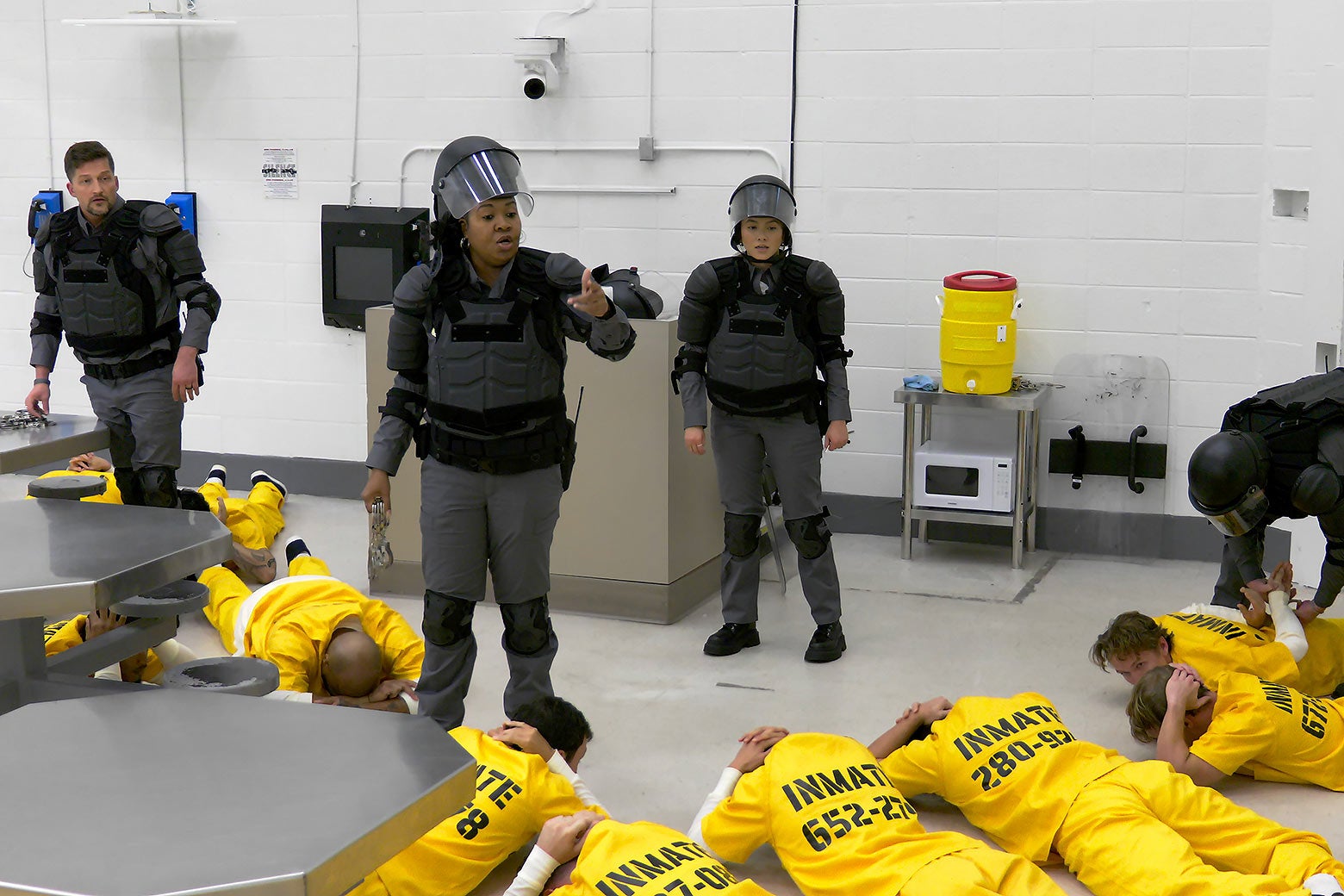
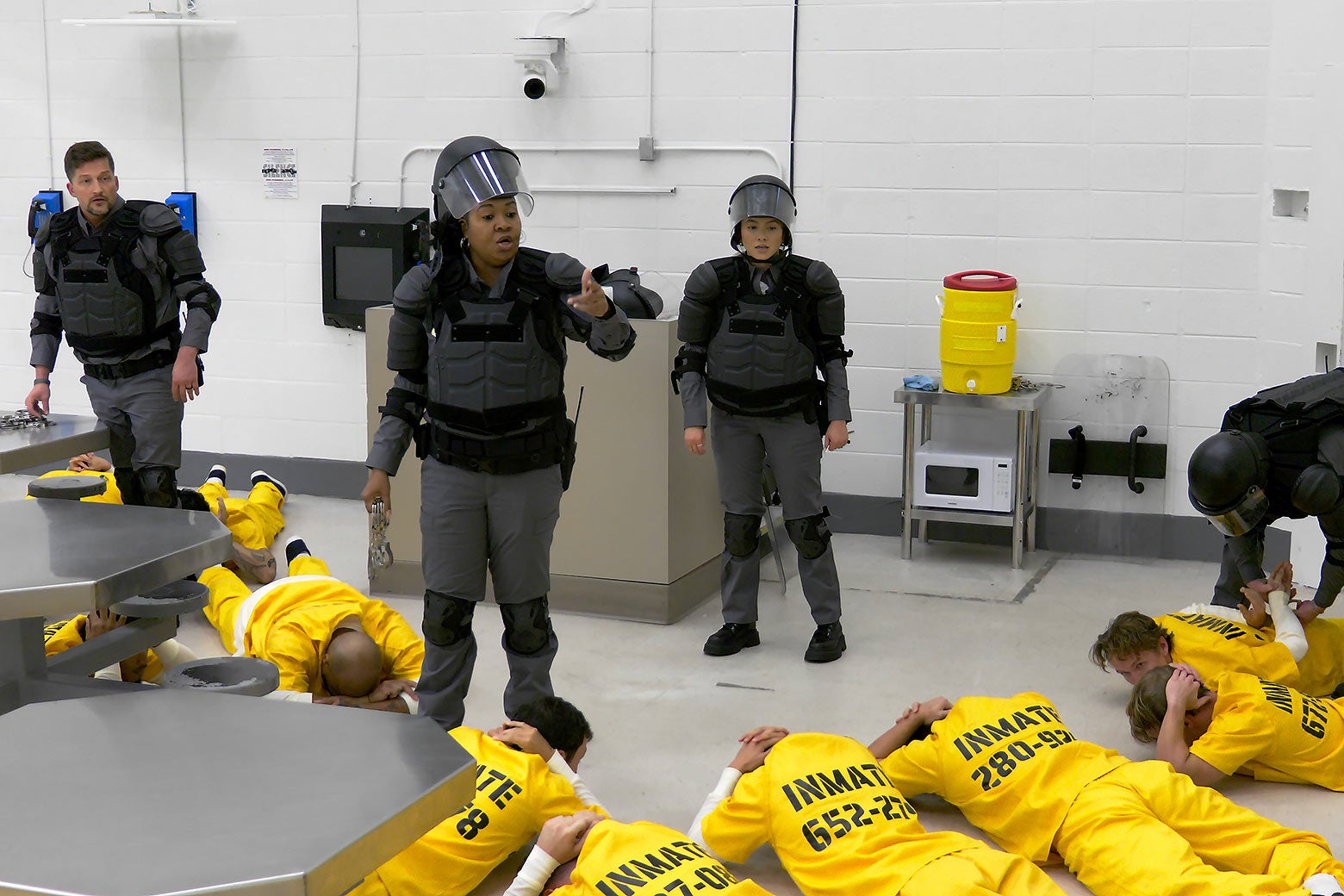
Netflix created a six-episode adaptation of the 1971 experiment with 30 participants in a functioning detention center in canton, georgia.
Participant Roles
Twenty-two participants were assigned as inmates, eight as guards, with three women among the guards.
Experiment Structure
The study was divided into four phases: 'Transformation,' 'Hierarchy,' 'Role Reversal,' and 'Self-Governance.'
Phase 1: Transformation
Participants were stripped of their identities, given uniforms, and told to enforce rules as guards or conform as inmates.
Phase 2: Hierarchy
Guards chose a head guard and an exemplary prisoner as a 'trustee' who received special privileges.
Phase 3: Role Reversal
Male guards were forced to switch places with male inmates, upsetting the power balance.
Phase 4: Self-Governance
Guards were removed, leaving inmates to govern themselves and choose to leave together.
Punishments and Rules
Inmates faced punishments like revoking phone privileges, early lockdown, or solitary confinement for the day.
Early Departures
Some inmates left early due to negative experiences, including one who felt triggered by past incarceration.
The New Experiment's Purpose
The adaptation aimed to test power dynamics but ended up being a reality TV show with no psychological insight.
At a glance
Netflix's six-episode adaptation of the Stanford Prison Experiment is a reality TV show that doesn't reveal power dynamics but follows expected patterns.