From Slate Magazine · Steffi Cao · · 3m
Shein's stock crash reveals a shift in how we shop
The fast-fashion giant that dominated TikTok is losing its grip as consumers rethink their relationship with cheap clothes.
In brief
The fast-fashion giant that dominated TikTok is losing its grip as consumers rethink their relationship with cheap clothes. Shein's IPO failure signals that the era of mindless consumption driven by viral trends and ultra-cheap prices is ending, replaced by a growing desire for quality, sustainability, and intentional…
Shein's IPO was a massive flop
The fast-fashion giant debuted on the Hong Kong stock market in early September but lost five billion dollars in market value. Shares have sunk 25 percent below the initial offering price.
TikTok made Shein a phenomenon
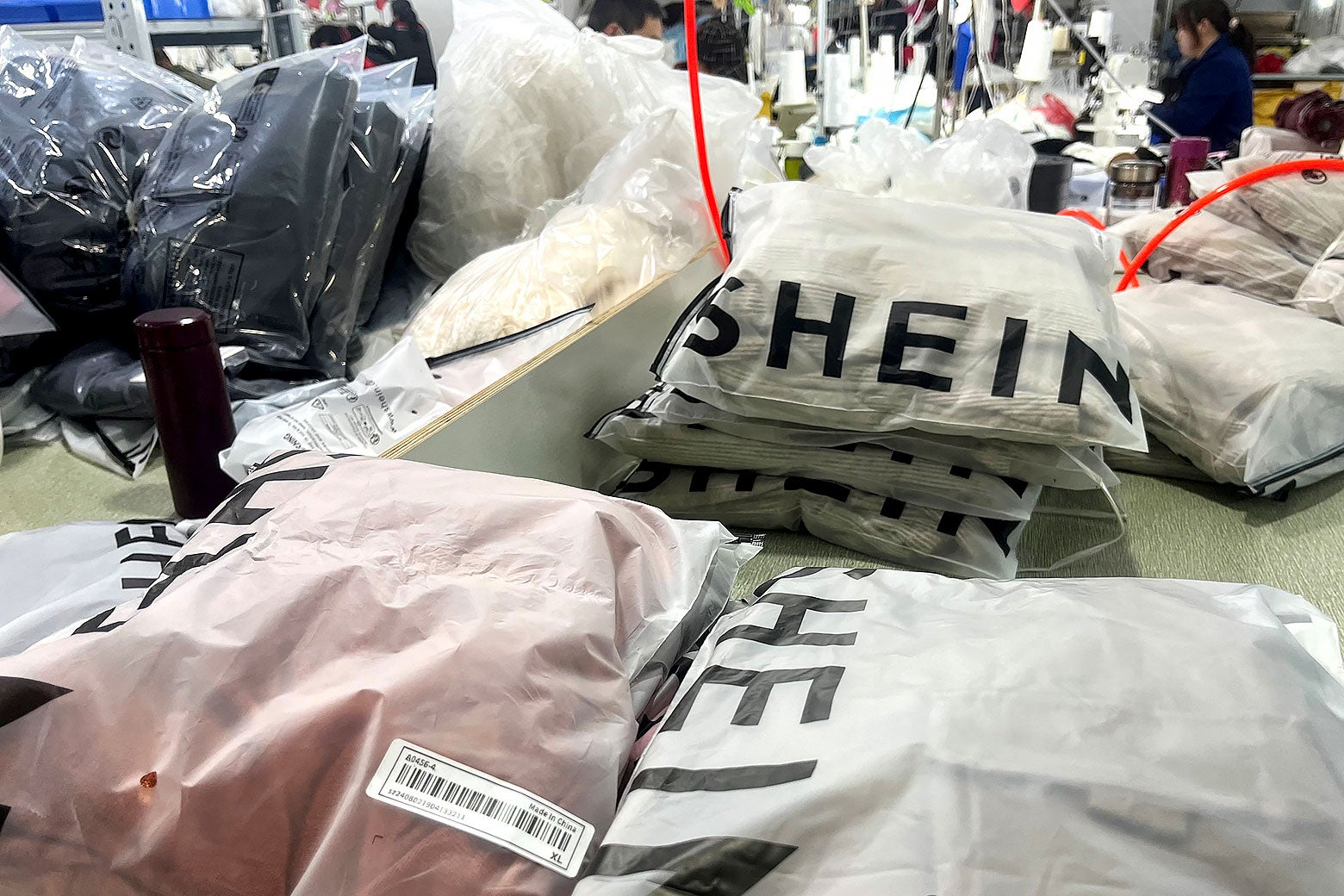
Creators raked in millions of views opening Shein hauls, holding up polyester garments and calling them cute. The company became the world's largest online fashion retailer by being an early adopter of short-form video.
The algorithm demands constant novelty
Shein pushed out hundreds of thousands of designs every year, vastly outpacing competitors like Zara and H&M. The company thrived by meeting an endless appetite for new stuff at ultra-low costs.
Consumer priorities shifted after 2020
Rising costs of living forced people to think critically about what they actually needed. Google searches for timeless wardrobes hit an all-time high in April, signaling a move away from disposable fashion.
Polyester became a dirty word
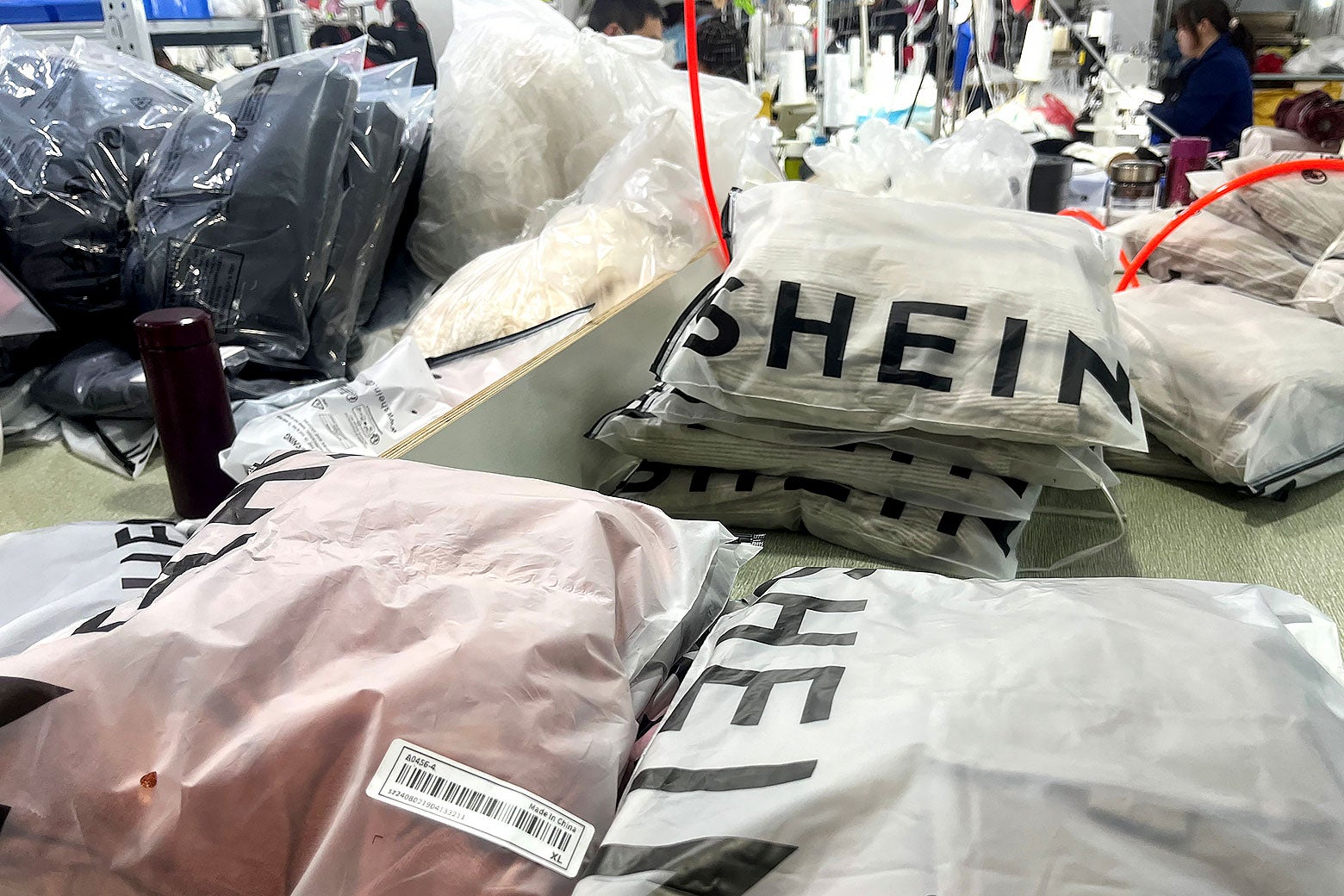
Shein's backbone material fell out of favor as consumers fixated on natural fibers and durable pieces. Meanwhile, Shein's prices rose due to Trump tariffs, fuel shortages, and international fines.
Microtrends burned out fast
Cropped sleeveless vests, cow-patterned jeans, and sheer mesh tops with cherubs went viral for weeks then crashed. People realized looking identical to millions of others online was decidedly uncool.
Uniqueness became the status symbol
Culture shifted from wanting what everyone else had to wanting something so unique it couldn't be recreated with a Google search. Personalization and customization are now in.
Ethical concerns pile up
Shein faces a cloud of immorality including sweatshops, labor violations, a massive carbon footprint, and stealing designs from small independent labels.
Competitors are gaining ground
Temu and TikTok Shop are growing in the U.S., while new fashion e-tailers like Cider follow the same ultra-low-cost model and are seeing growing profit margins.
Rental and resale are surging
Younger consumers are turning to clothing rental companies and online resale marketplaces to stay on trend without drowning in plastic bags of clothes.
People want to buy more thoughtfully
Shein's stock collapse signals that many consumers want to kick the habit of buying massive amounts of stuff and take responsibility for their consumption patterns.
At a glance
Shein's IPO failure signals that the era of mindless consumption driven by viral trends and ultra-cheap prices is ending, replaced by a growing desire for quality, sustainability, and intentional shopping.