From Slate Magazine · Richard L. Revesz, Sarah Wheaton · · 2m
Trump's census plan could cost American lives
Removing race and ethnicity data from the decennial census would cripple public health efforts and widen health disparities.
In brief
Removing race and ethnicity data from the decennial census would cripple public health efforts and widen health disparities. Race and ethnicity data from the census is essential for identifying health disparities and directing resources to communities that need them most. Removing it would make it impossible to target…
Trump targets census race data
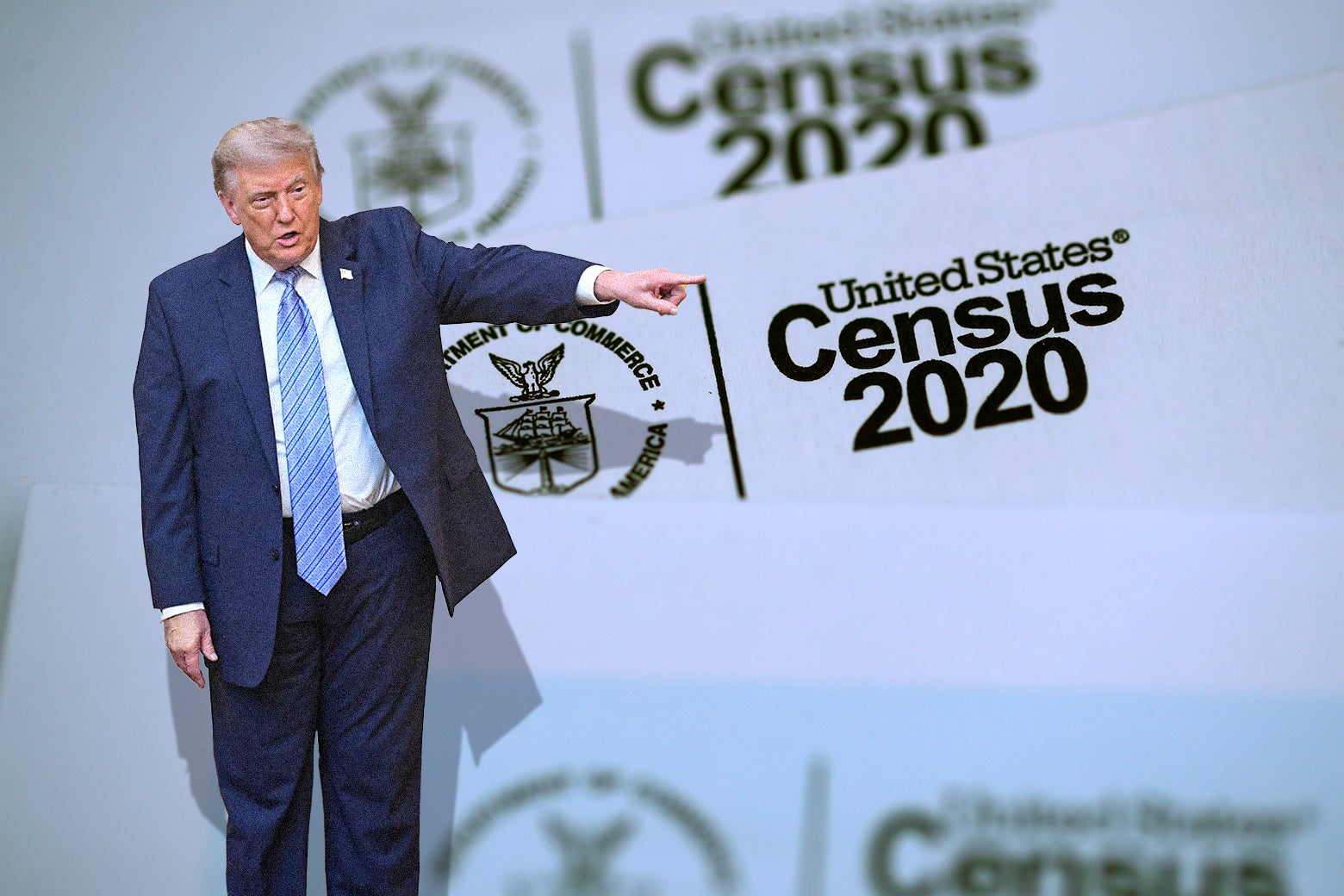
The Trump administration proposed eliminating race and ethnicity questions from the decennial census, a practice dating back to 1790. This change could devastate public health efforts.
Why census data matters for health
Race and ethnicity data reveals stark health disparities. Black children are 60 percent more likely to have asthma and 4.5 times more likely to die from it than U.S. children overall.
“Black children are 60 percent more likely than U.S. children overall to have asthma and four and a half times more likely to die from it.”
More disparities in the data
Hispanic women have 40 percent higher cervical cancer incidence and 20 percent higher death rates. Asian Americans face elevated rates of tuberculosis and hepatitis B.
How agencies use this data
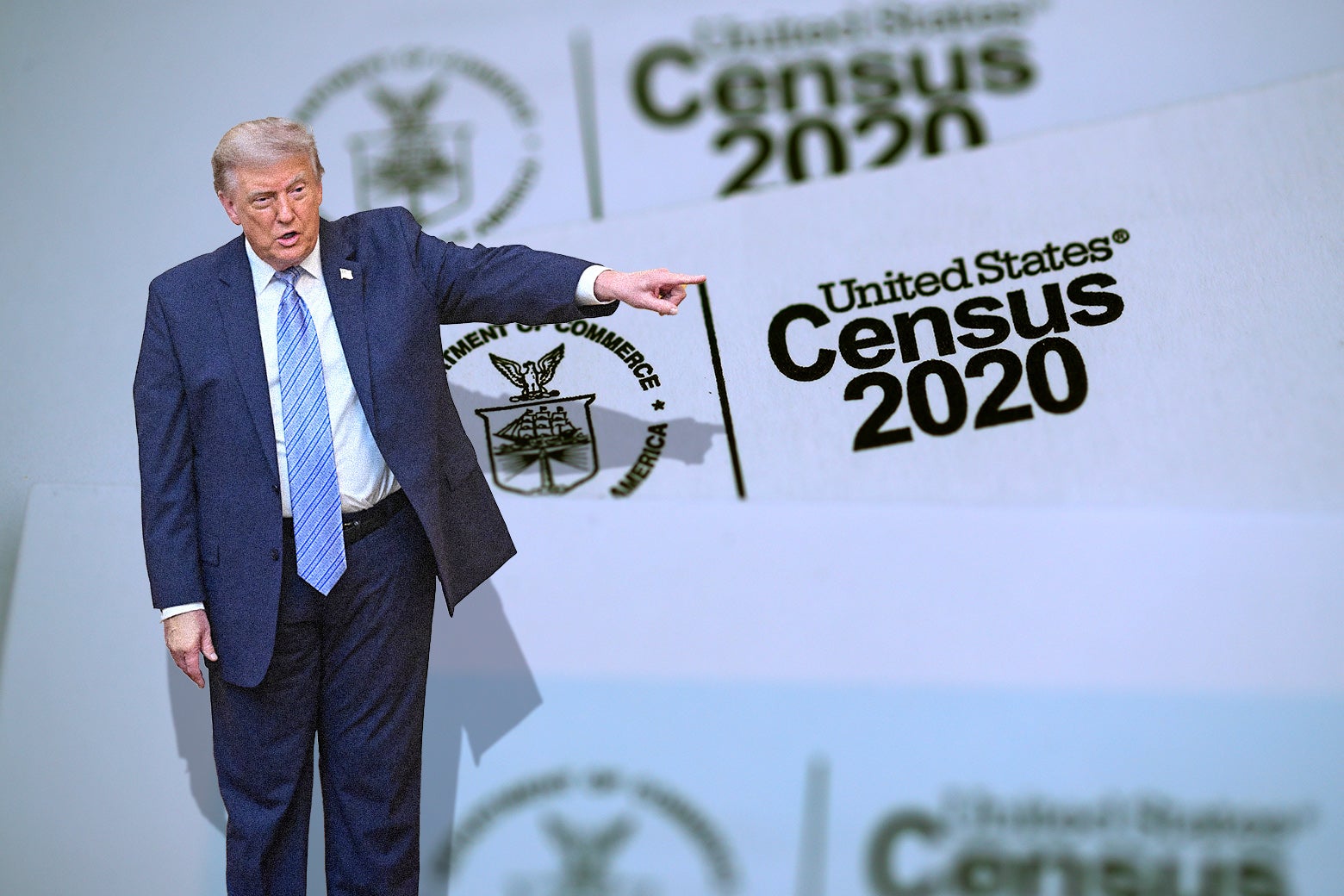
The CDC combines survey data with census race and ethnicity estimates to model disease prevalence at the neighborhood level. This allows health systems to target resources to high-need areas.
Real-world examples of impact
Michigan uses census data to place mobile health vans in at-risk areas. New York City medical systems concentrate services in four high-risk neighborhoods based on this data.
A centuries-old practice
The 1790 census differentiated between Free White individuals and others. Race has appeared in every census since. The Biden administration updated standards in 2024 after two years of research involving 35 agencies.
Trump's justifications don't hold up
The administration claims removing the race question would boost response rates, citing only two studies: one over 30 years old and one not about the census. Yet they'd replace it with a citizenship question.
Constitutional claims are weak
The rule suggests race data collection may violate recent Supreme Court decisions on affirmative action. But those cases addressed racial preferences, not data collection. Courts have distinguished between the two.
The American Community Survey isn't enough
The administration argues the yearly American Community Survey could replace decennial census data. But the ACS samples only 3.5 million people versus universal census reach, creating gaps in demographic coverage.
The deadly consequences ahead
Removing race and ethnicity data will compromise healthcare delivery, lead to underinvestment in vulnerable communities, and cost American lives. The Trump administration is abandoning a practice that protects public health.
“It will compromise our ability to provide effective healthcare, lead to underinvestment in the communities that need it the most, and cost American lives.”
The big picture
Race and ethnicity data from the census is essential for identifying health disparities and directing resources to communities that need them most. Removing it would make it impossible to target interventions effectively.