From TIME · Alice Park · · 3m
A genetic mutation may explain lung cancer in nonsmokers
Scientists discover that a rare inherited mutation dramatically increases lung cancer risk, even for people who never smoked.
In brief
Scientists discover that a rare inherited mutation dramatically increases lung cancer risk, even for people who never smoked. A genetic mutation called T790M raises lung cancer risk 60-fold in nonsmokers, opening the door to genetic screening as a prevention tool. Originally reported by TIME.
Lung cancer strikes nonsmokers too
Between 10 and 20 percent of lung cancer cases in the U.S. each year occur in people who never smoked, yet the causes remain largely unknown.
Scientists find a genetic culprit
Researchers led by Dr. Jaclyn LoPiccolo at Dana Farber Cancer Institute discovered that people with a mutation in the EGFR gene have a 25-fold higher lung cancer risk overall.
The risk jumps even higher for nonsmokers
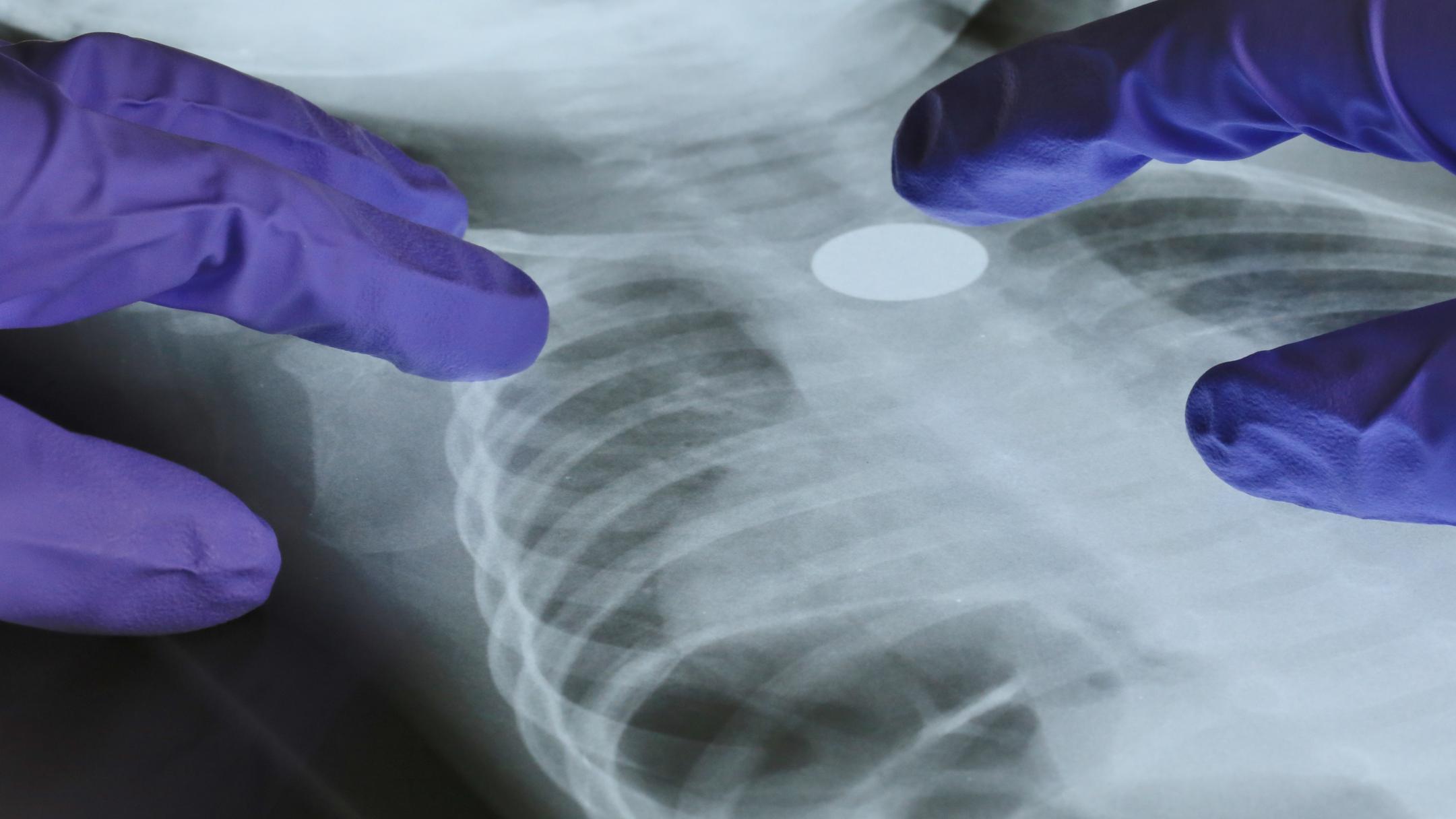
Nonsmokers carrying the EGFR mutation had a 60-fold higher risk of developing lung cancer compared to nonsmokers without it, reflecting how powerfully this genetic change affects risk.
The mutation is called T790M
The specific mutation, T790M, was first discovered in a European family in 2005, but scientists didn't know how common it was or how strongly it contributed to lung cancer.
A massive database revealed the truth
Using genetic samples from 23andMe Research Institute, LoPiccolo's team determined that about one in 15,000 Americans carry the mutation, but rates are much higher in Southern Appalachia.
“This mutation is so rare that we weren't able to get population-level risk estimates without the size of a database like that from 23andMe.”
Appalachian ancestry traces back centuries
In Southern Appalachia, one in 2,000 people carry T790M, likely because the first carrier brought it from England or Ireland more than 200 years ago.
Genetic screening could change everything
The findings suggest genetic testing could become part of lung cancer screening, similar to how BRCA testing works for breast cancer, allowing carriers to be monitored more closely.
One man's story shows the impact
Frank McKenna, a Virginia Beach personal trainer, was diagnosed with Stage IV lung cancer in 2016 despite never smoking. Genetic testing revealed he carried T790M, and targeted therapy transformed his life.
“When I started that targeted therapy, which is a pill I take once a day, within a couple of days, I could feel a difference.”
His daughter now faces the same risk
McKenna's 33-year-old daughter also carries the T790M mutation but has no screening guidelines yet. He's pushing for early, regular screening to catch any cancer at Stage I instead of Stage IV.
A new study will guide screening decisions
Dr. LoPiccolo is running a study called INHERIT that includes people with inherited lung cancer risk. Doctors will create personalized screening plans based on family history, genetics, and environmental exposures.
“The goal is to use CT screening to detect lung cancer at the earliest, most curable stage when it can be removed or cured.”
Better screening could save lives
Catching lung cancer early through regular screening offers a much better outlook than discovering it at advanced stages, giving families like the McKennas hope for better outcomes.
The bottom line
A genetic mutation called T790M raises lung cancer risk 60-fold in nonsmokers, opening the door to genetic screening as a prevention tool.