From TIME · Aditya Vashistha · · 1m 50s
America China AI Race Costs
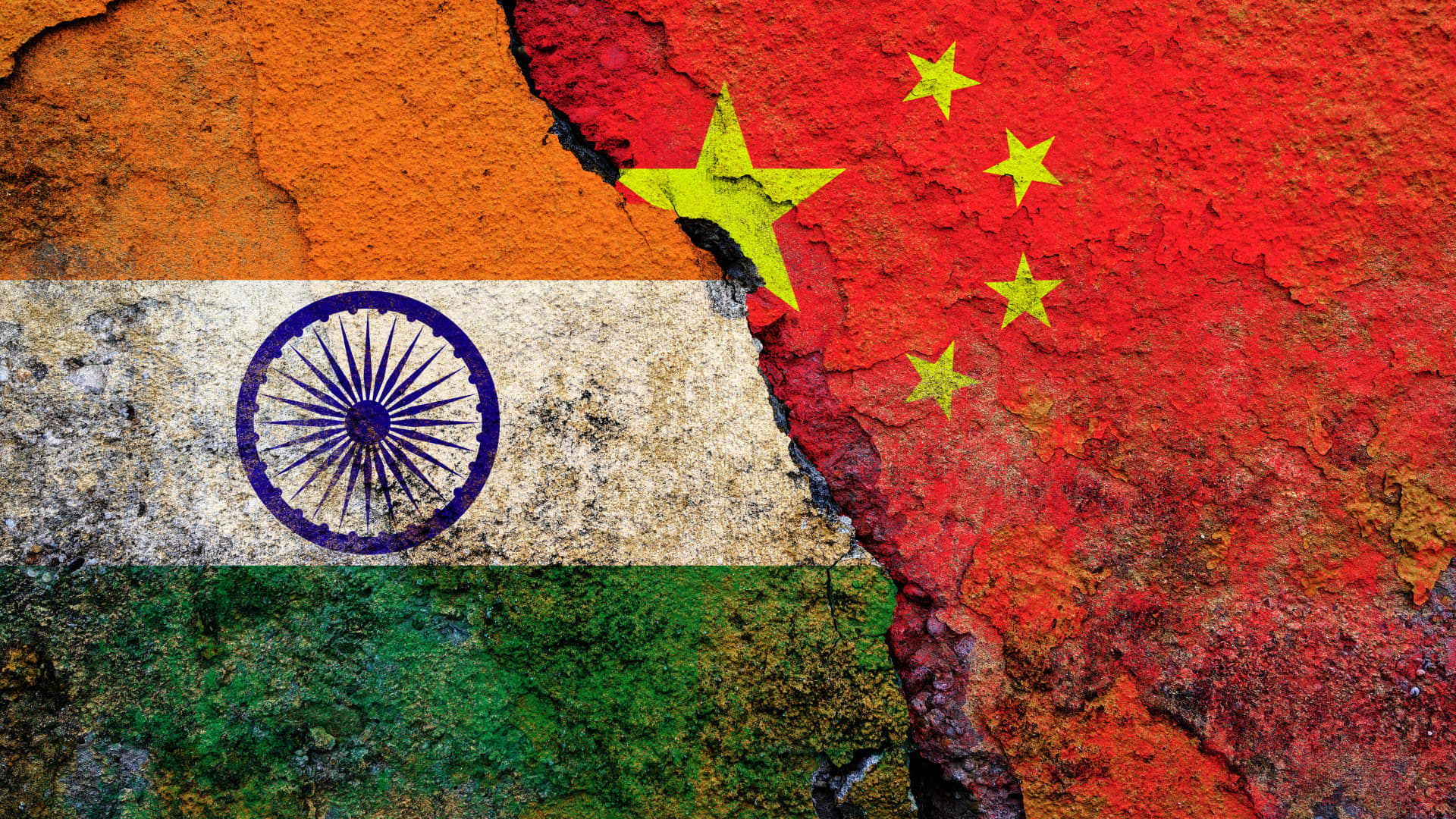
U.S. and China dominate AI, leaving rest of world vulnerable to tech gaps.
In brief
U.S. and China dominate AI, leaving rest of world vulnerable to tech gaps. The U.S. and China control 82% of global AI computing capacity, risking cultural and linguistic gaps for other nations. Originally reported by TIME.
AI Race Polarization
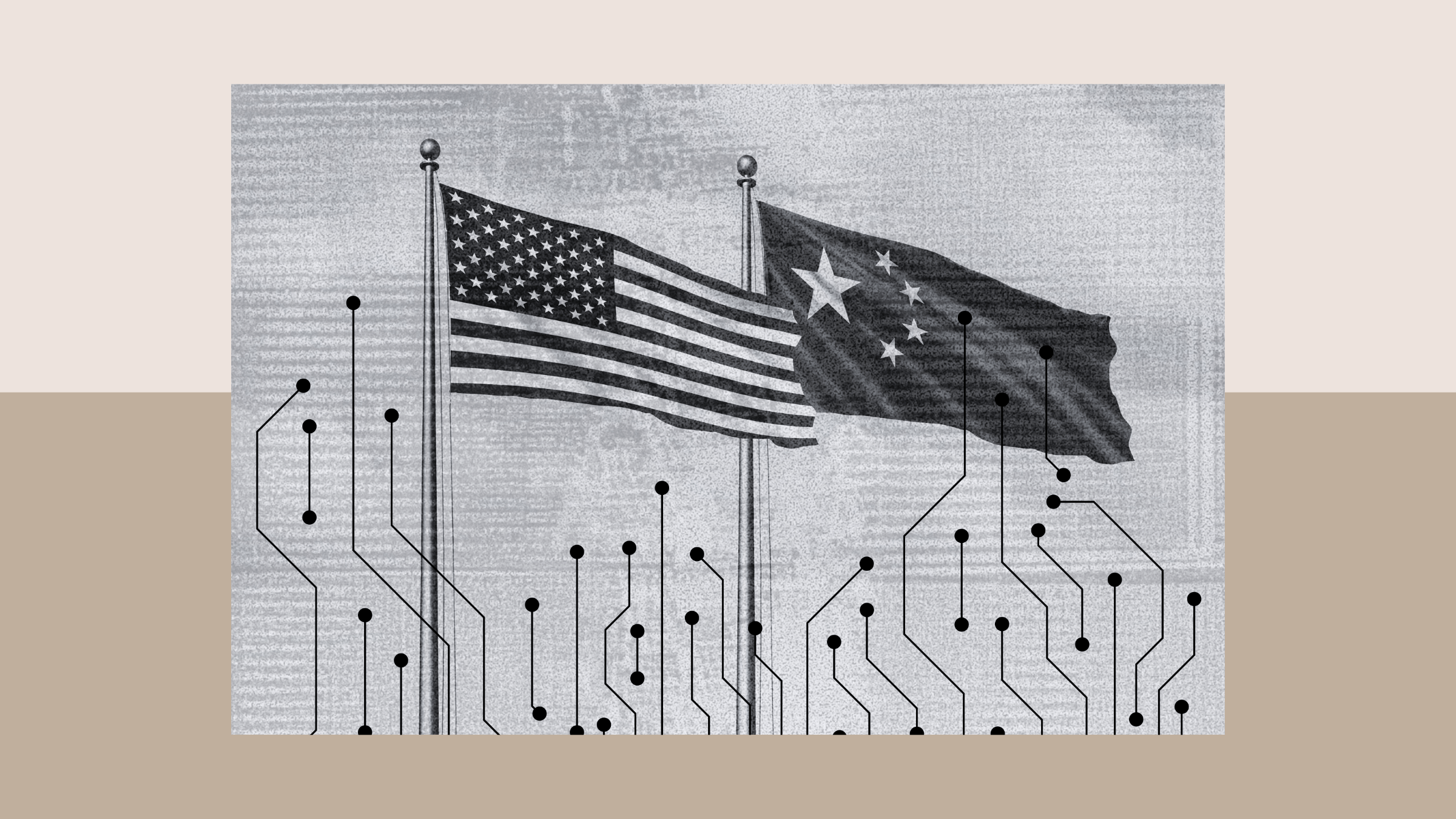
The U.S. and China dominate AI development, creating a widening global divide in technology control.
Computing Capacity Split
U.S. received 72% of global AI computing capacity between 2022 and June 2026, China 10%, others 18%.
Energy and Infrastructure
U.S. and China consumed 70% of global data center electricity in 2024, others 30%.
Research Concentration
Three-quarters of NeurIPS researchers in 2025 were affiliated with U.S. or Chinese employers.
Language Coverage Gap
43% of Common Crawl pages are in English, 0.2% in Hindi, 0.000001% in Quechua.
Cultural Homogenization
AI users in India shift writing styles to mimic Americans, losing cultural nuance.
Language Tax
AI systems charge more tokens for Hindi and Odia than English, creating financial barriers.
Sovereign AI Models
India, Canada, France, UAE developed sovereign AI models to control local needs.
U.S. Access Restrictions
U.S. blocked foreign access to Anthropic models citing national security concerns.
Model Limitations
Sovereign models inherit biases from frontier models and misread local social norms.
Feedback Bias
80% of Anthropic feedback data came from 20 paid online workers in English.
Global South Shortfall
Meta’s Community Alignment project includes only two countries in the Global South.
AI Safety Challenges
Existing safety tests cover few languages and cultural contexts in the Global South.
Competing Coalitions
U.S. and China form competing AI coalitions with 46 countries in GPAI.
Regional Solutions
Kenya, Malawi, Rwanda, South Africa, Togo, and Zambia share AI infrastructure.
The essence
The U.S. and China control 82% of global AI computing capacity, risking cultural and linguistic gaps for other nations.
Read the TL;DR — this story on one card.