From TIME · Alice Park · · 1m 40s
BMI alone misses obesity in millions, study finds
A new framework combining BMI with waist measurements catches cases the old system misses, potentially changing how doctors diagnose and treat obesity.
In brief
A new framework combining BMI with waist measurements catches cases the old system misses, potentially changing how doctors diagnose and treat obesity. Researchers led by Francesco Rubino at King's College London found that BMI alone misdiagnoses obesity in millions, missing nearly nine percent of cases and falsely…
BMI has a major flaw
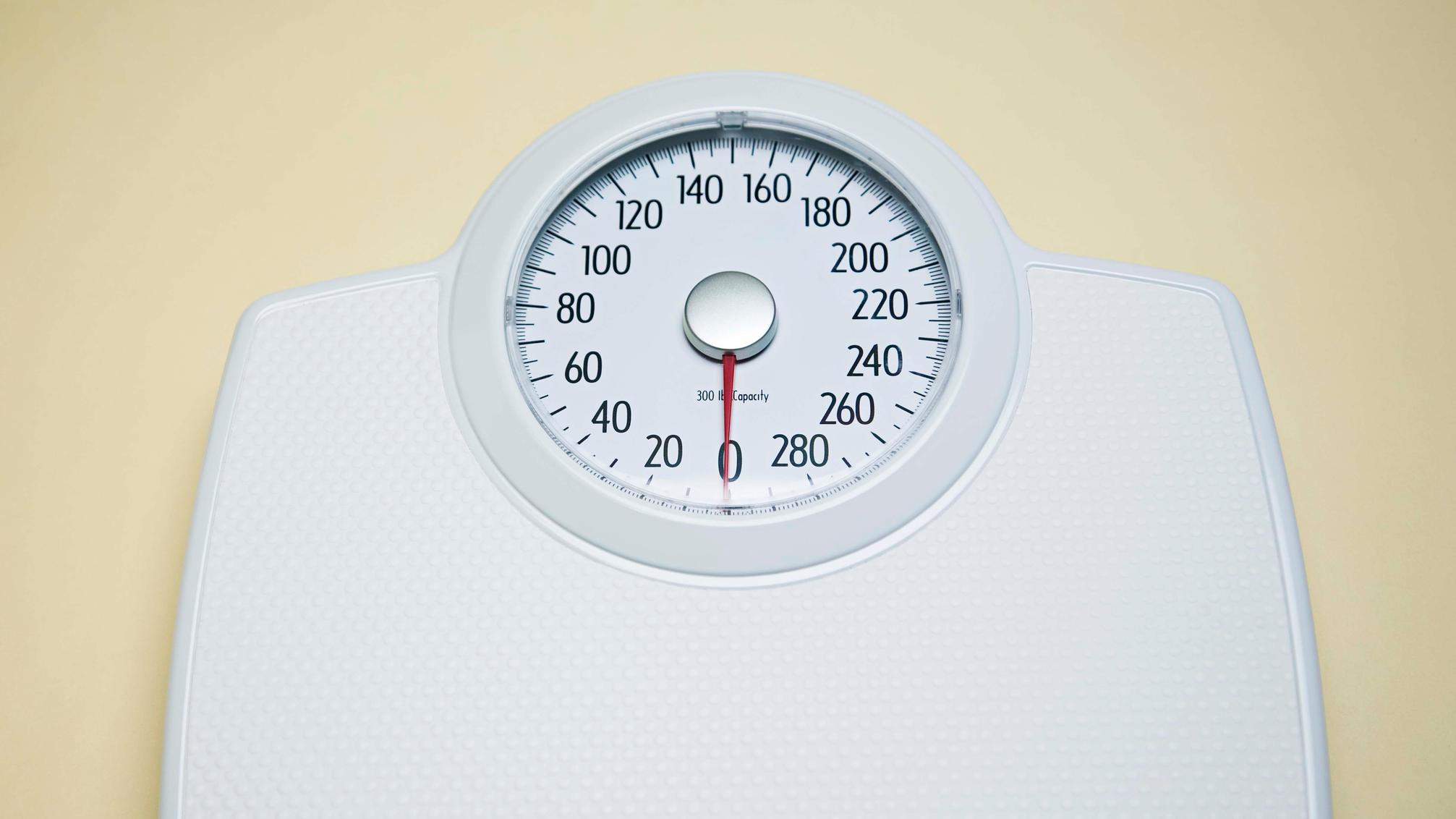
Body mass index, which uses weight and height, cannot distinguish between fat and muscle weight. Doctors have long known it is not the best measure of obesity-related health.
Study reveals scale of misdiagnosis
Researchers led by Francesco Rubino at King's College London studied over eight hundred forty-four thousand people across China, Spain, the U K, and the U S.
The problem is bigger than expected
Rubino says the misclassification affects dozens of millions in large countries studied and many more worldwide. He states the scale of the problem is concerning because BMI misdiagnoses in both directions.
“The scale of the problem with BMI is beyond what we imagined.”
New framework distinguishes two types
The Lancet Diabetes and Endocrinology Commission, led by Rubino, proposed a new classification in twenty twenty-five.Preclinical obesity means excess weight without immediate need for treatment.Clinical obesity requires interventions like diet, exercise, or GLP-1 medications.
Mortality risk differs sharply
About five to eleven percent of the general population had clinical obesity, with sixty-nine percent higher mortality risk. Those with preclinical obesity had nineteen percent higher mortality risk than those without excess fat.
Better diagnosis enables better treatment
Distinguishing clinical from preclinical obesity allows doctors to treat people differently based on actual health risk. With GLP-1 drugs now available, precise diagnosis helps doctors counsel patients on medication adherence and dosing decisions.
“Obesity never had that kind of granular information diagnostically to deploy treatments proportionate to need.”
The headline
Researchers led by Francesco Rubino at King's College London found that BMI alone misdiagnoses obesity in millions, missing nearly nine percent of cases and falsely diagnosing three percent, supporting a shift to combined measurements.