From TIME · Kayti Burt · · 4m
Breaking down the devastating ending of 'The Scandal'
Netflix's Korean adaptation of a French classic ends in heartbreak and social critique.
In brief
Netflix's Korean adaptation of a French classic ends in heartbreak and social critique. The Scandal uses a classic French novel to critique class privilege, showing how the ruling elite's games destroy lives while the poor find genuine happiness. Originally reported by TIME.
A French classic moves to Korea
The Scandal adapts the 1782 novel Les Liaisons dangereuses to 18th century Joseon, following two aristocrats who manipulate others for entertainment.
Lady Cho proposes a dangerous game
Bored by society's limits on women, Lady Cho challenges her cousin Cho-won to seduce a chaste widow. The stakes: if he fails, he must impregnate her husband's concubine.
Multiple adaptations across cultures
The French novel became a 1988 film with Glenn Close, 1999's Cruel Intentions, and a 2003 Korean film called Untold Scandal.
Hui-yeon's fake death backfires
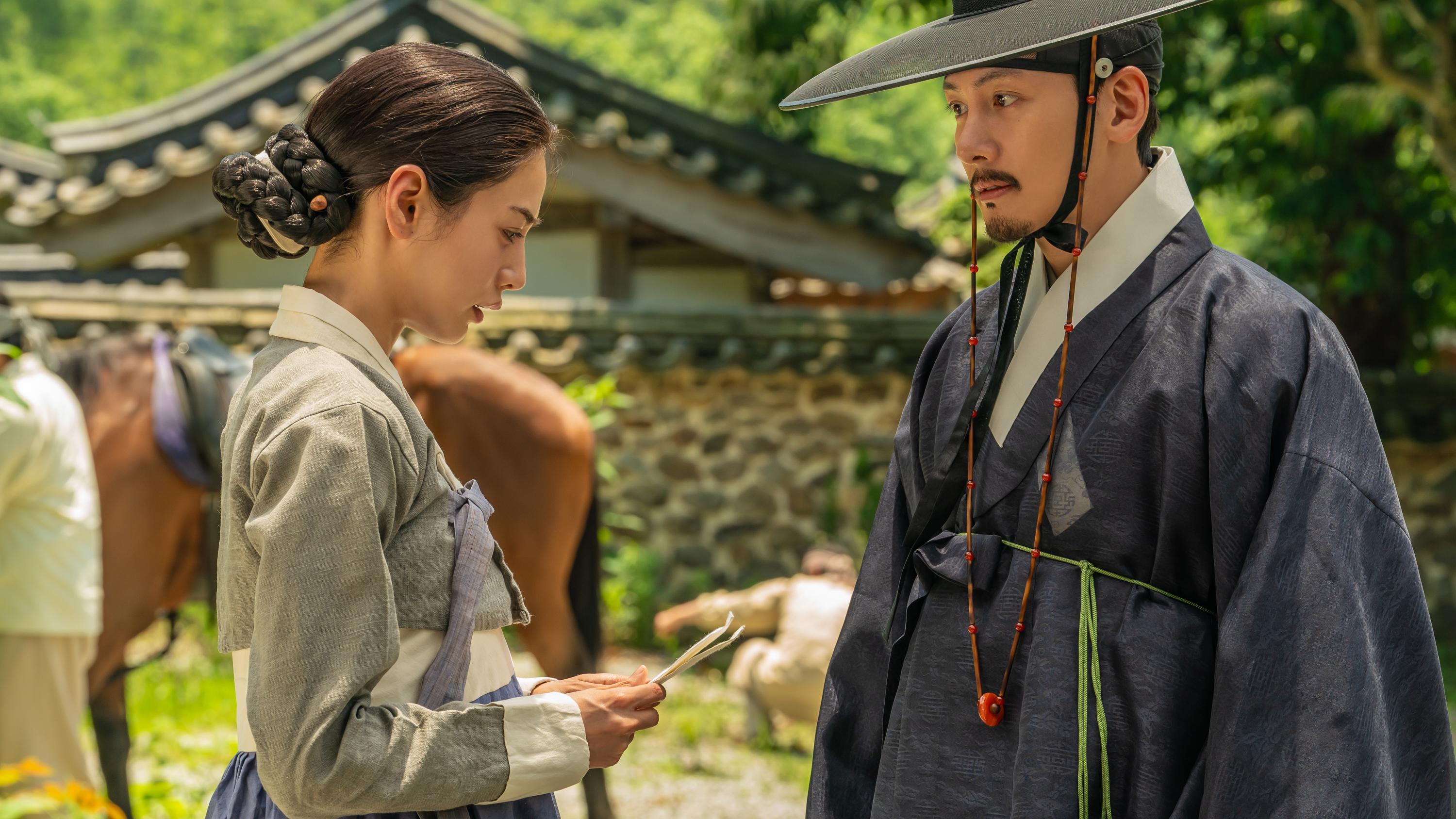
Cho-won convinces Hui-yeon to run away, making everyone think she killed herself. Lady Cho writes to the King requesting a memorial gate in her honor.
Hui-yeon chooses to live
After sleeping with Cho-won and falling in love, Hui-yeon rejects suicide based on her Catholic faith. She wants to live, complicating Lady Cho's scheme.
Cho-won plans to run away
Developing real feelings for Hui-yeon, Cho-won decides to flee Joseon with her rather than convince her to die as Lady Cho demands.
A heartbreaking echo of the past
Years earlier, Cho-won and Lady Yun planned to run away together. But Yun stayed to marry Lord Yoo after her father lamented she couldn't reach her potential as a woman.
Cho-won makes his choice
When Hui-yeon flees to Lady Cho's home, Yun forces Cho-won to choose. He picks Yun, devastating Hui-yeon who runs into the night.
“Who do you choose?”
A final act of honesty
After choosing Yun, Cho-won finds Hui-yeon and tells her the truth about the scheme. She says she'll live with the resentment she now has for him.
The King sees through the lie
Lady Cho's false report about Hui-yeon's death contains details that don't match the King's other records. He banishes Cho-won from his presence forever.
Cho-won's final deception
In a letter to Yun, Cho-won lies about the King's reaction, saying the report was a success. Lady Cho celebrates, not knowing she's lost him forever.
Cho-won jumps to his death
At the ferry port where he planned to escape with Hui-yeon, Cho-won jumps into the water. The ferryman finds only his hat floating in the darkness.
Lady Cho's hollow victory
Yun gets the comfortable life she wanted, but without Cho-won she has no confidant or way to share her writing. She's left alone with nothing but longing.
“left with nothing but longing”
Hui-yeon lives in the margins
Alive but hiding her identity, Hui-yeon must flee when recognized at a Catholic service. She visits Cho-won's home where his servant confirms he's dead.
So-ok's uncertain future
Now a concubine carrying her lover In-ho's child, So-ok is happy for now. But she's trapped in Lady Cho's household with a secret that can't last.
The story within the story
A pansori singer performs the plot as thinly veiled fiction while Lady Cho listens, echoing how the original novel depicted real French nobility.
A critique of the ruling class
Like its source material before the French Revolution, The Scandal condemns noble corruption. The ferryman asks mockingly, "Do you know how hard it is to be born a nobleman?"
“Do you know how hard it is to be born a nobleman?”
The poor find genuine happiness
The freed servants Chil-seong and Eun-sil end up happy with a baby and steady income, showing what the nobles could never have because of their class privilege.
What to remember
The Scandal uses a classic French novel to critique class privilege, showing how the ruling elite's games destroy lives while the poor find genuine happiness.


